Zyqora
Zyqora
Zyqora
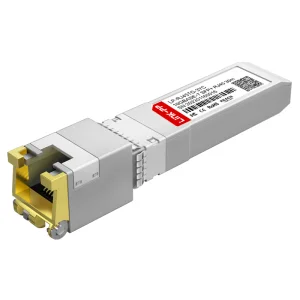
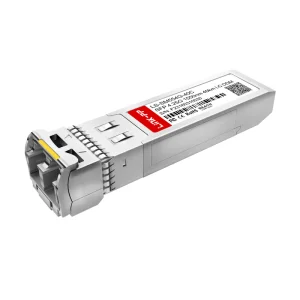
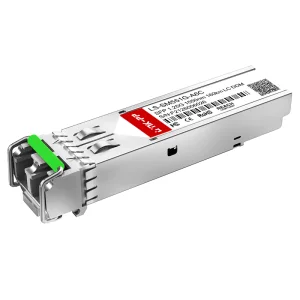
Examine our highly requested performance-engineered copper transceivers, fiber modules, and heavy-duty RJ45 connectors.
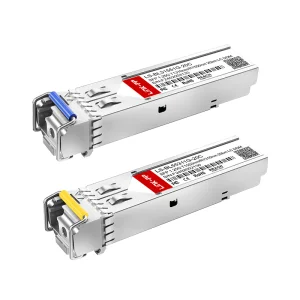
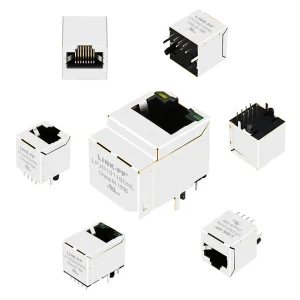
Analyzing electromagnetic interference (EMI), NEXT/FEXT mitigation, and copper line optimization inside physical layer hardware.
Ethernet splitters play a vital role in legacy copper infrastructures, enabling a single Category-rated cable to transmit two distinct fast Ethernet (100Base-TX) signals. By taking advantage of the fact that 10Base-T and 100Base-TX Ethernet applications utilize only 2 out of the 4 twisted pairs in a standard Cat5e/Cat6 cable (pins 1, 2, 3, and 6), passive splitters reorganize physical pathways to share physical cable runs.
However, scaling this deployment within modern enterprise networks requires strict compliance with transmission parameters. Standard passive copper splitters must prevent signal degradation, insertion loss, and Near-End Crosstalk (NEXT). At Zyqora, we utilize high-precision PCB engineering to ensure trace path uniformity, minimizing impedance mismatches that lead to packets loss.
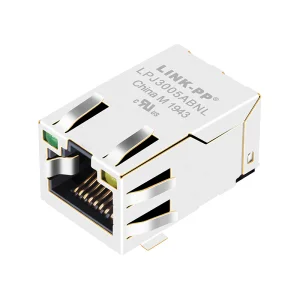
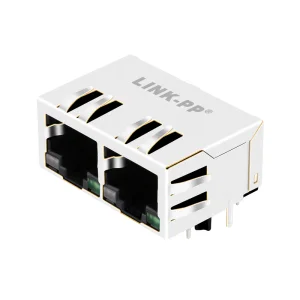
For industrial deployments where electromagnetic noise is prevalent, unshielded twisted pair (UTP) splitters face susceptibility to EMI. A high-performance RJ45 network splitter requires a shielded construction (STP/FTP) to preserve grounding paths.
Our factory integrates integrated magnetics and advanced internal metal shielding (nickel-plated or tin-plated copper alloys) to isolate pathways. This acts as a Faraday cage, neutralizing high-frequency emissions and preventing cross-talk between the split channels. This design is highly critical when routing near high-voltage lines in manufacturing units or server enclosures.
| Feature Parameter | Passive Copper Splitter (10/100Base-TX) | Active Ethernet Switch / Hub | Fiber Optical Transceiver / Splitter |
|---|---|---|---|
| Operating Layer | Layer 1 (Physical Routing) | Layer 2 (Data Link Address Routing) | Layer 1/2 (Optical Transmission) |
| Cabling Requirement | Cat5e/Cat6 Copper Pairs | Cat5e/Cat6/Cat6A Copper / Fiber | Single-mode / Multi-mode Optical Fiber |
| Bandwidth Capacity | Up to 100 Mbps per port | 1 Gbps to 10 Gbps+ per port | 10 Gbps to 100 Gbps+ per module |
| External Power Req. | None (Passive) | Yes (Active Power / PoE) | Yes (SFP/SFP+ Cage Power) |
| EMI Susceptibility | High (Unless Shielded / Grounded) | Low (Isolated internal circuits) | Zero (Optical isolation) |
Analyzing the practical integration of Ethernet splitters and networking connectors across complex local architectures.
In municipal traffic monitoring and outdoor security camera arrays, running new cables is cost-prohibitive. Applying high-performance Ethernet splitters allows two IP cameras to run over a single outdoor Cat6 cable back to the nearest active pole switch. By using weatherized, shielded RJ45 female connectors, local operators save up to 40% on civil construction and cabling costs.
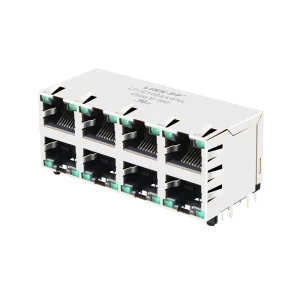
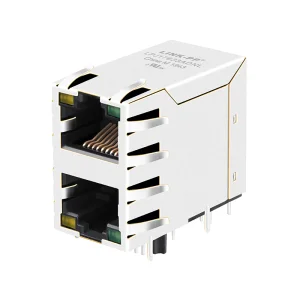
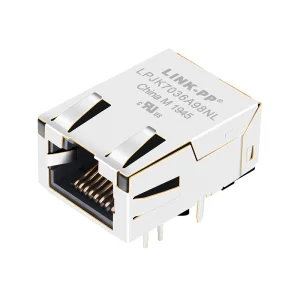
On assembly lines where Programmable Logic Controllers (PLCs) require link paths, space in cable trays is highly limited. Utilizing high-density RJ45 Magjack female connectors with integrated isolation magnetics protects control cabinets from transient currents. Grounded Ethernet splitters distribute command links without compromising system reliability under noisy electrical fields.
Older commercial spaces retrofitted for high-density desks often face limited pre-installed copper wall drops. Splitters provide immediate, stable local connections to dual workstations without running new conduits through solid walls. Combined with SFP copper transceivers at local desk switches, this configuration ensures stable connectivity for IP phones and workstations.
From basic passive splits to optical hybrid networks: how Zyqora plans to address next-generation multi-gigabit workloads.
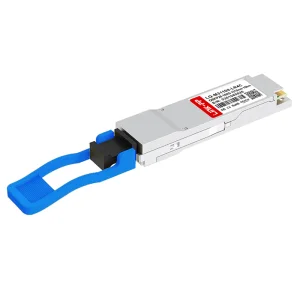
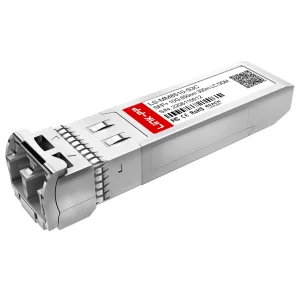
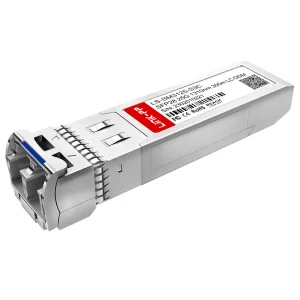
The networking ecosystem is undergoing a dramatic shift towards high-speed fiber backbones. Zyqora's engineering department bridges these modalities. While copper Ethernet connectors and splitters dominate edge distribution, high-throughput transceivers (such as our 100GBASE-PLR4 and 25G SFP28 modules) handle the optical routing backplanes.
Our future roadmap focuses on packaging optical components directly into hybrid modular connector blocks. This will allow edge devices to step down high-bandwidth fiber signals to Cat6A copper links directly at the faceplate, avoiding intermediate switch layers.
As IoT networks scale, Power over Ethernet (PoE, PoE+, and PoE++) capability is becoming standard. Conventional splitters often fail under high wattage due to core saturation in internal magnetic circuits.
Zyqora is developing next-generation PoE splitters that maintain complete physical layer isolation while supporting up to 90W (Class 8 PoE) output, keeping security nodes, access points, and remote sensors safe from voltage surges.
Uncovering the logistical efficiencies, raw material stability, and quality control systems that establish Zyqora as a premier exporter.
China's telecommunications supply chain represents the pinnacle of electronics manufacturing. At Zyqora, this geographic advantage translates into direct benefits for our overseas clients. Our facilities are located within close proximity to major raw material refineries, high-precision tooling workshops, and advanced semiconductor testing labs.
With more than 860 supply chain partners integrated into our system, we bypass regional component shortages that disrupt Western manufacturers. From raw copper coils to SFP lasers, we maintain continuous reserves, ensuring production lead times remain consistent regardless of global demand fluctuations.
With 8 years of export history and annual export revenues topping USD 18 million, our customs clearance operations are fully optimized. We maintain strategic agreements with global logistics providers to secure priority air and sea routes, ensuring fast delivery to North America, Europe, and Latin America.
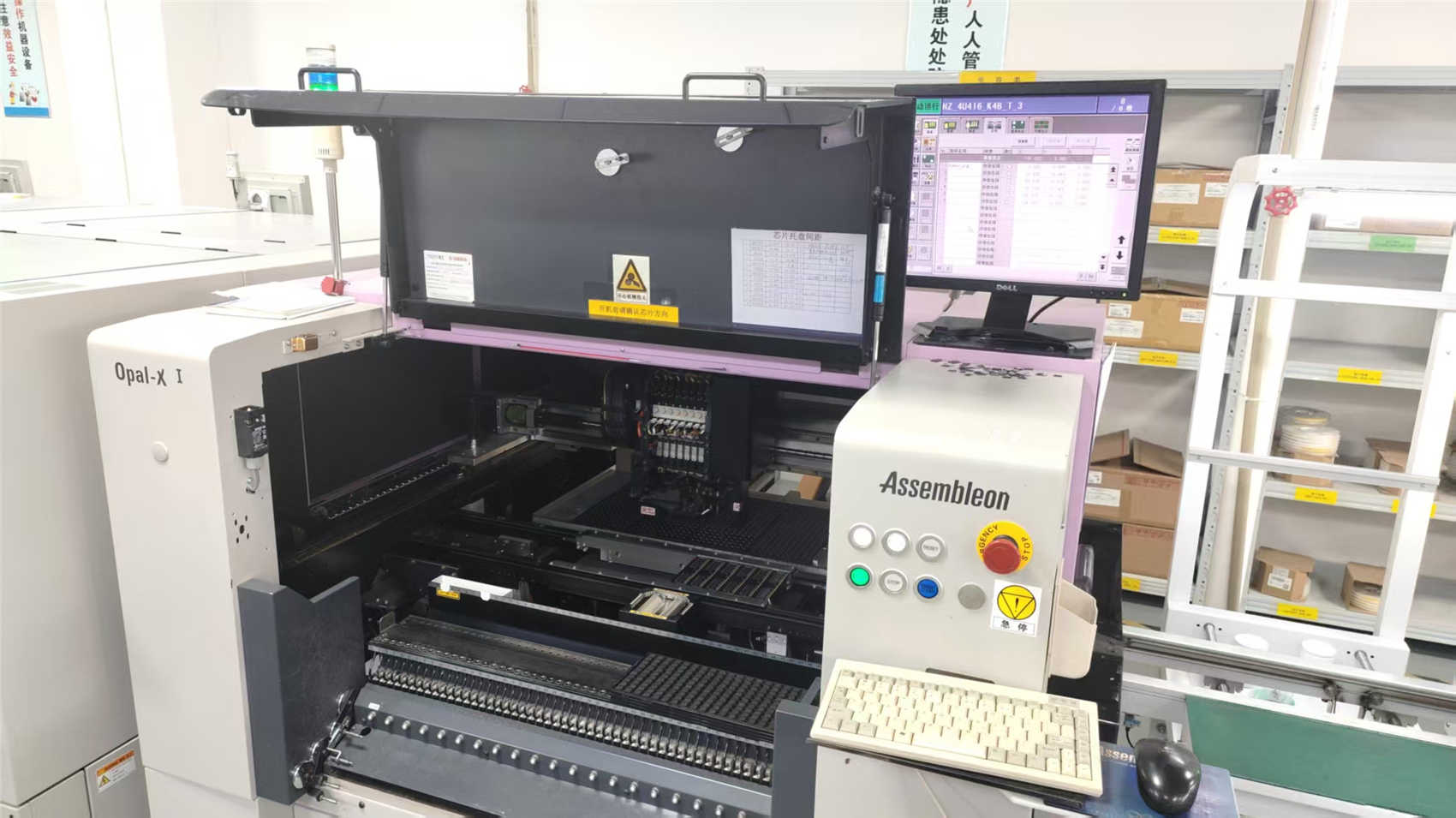
RJ45 pins and PCB patterns require sub-millimeter precision to ensure stable performance. Zyqora implements automated gold-plating lines and precision stamping machinery. Our pins feature 50-micro-inch gold-plating layer thickness to guarantee anti-oxidation and minimum contact resistance over 750 mating cycles.
Furthermore, our 42-member Quality Control department conducts rigorous inspections using automated optical inspection (AOI) units and high-frequency network analyzers. This ensures that every product, whether an RJ45 modular jack or a 10G optical transceiver, performs flawlessly.
Navigating global technical standards, import regulations, and direct field engineering support for international partners.
Our manufacturing processes conform to internationally recognized standards:
Zyqora manufactures hardware compliant with environmental directives:
A Premier Hub of Optical Innovation and Structured Network Cabling Engineering.
Founded in 2016, Zyqora Optical Technologies Co., Ltd. is a professional manufacturer and supplier of high-performance optical transceivers and fiber connectivity solutions for global data center, telecom, enterprise network, and cloud computing applications.
With a modern production facility covering 386 square meters, Zyqora specializes in the design, development, manufacturing, and testing of optical communication products, including SFP, SFP+, SFP28, QSFP28, QSFP-DD, OSFP, AOC, and DAC solutions. Our products are engineered to deliver reliable performance, scalability, and seamless compatibility with mainstream networking platforms.
Over the years, Zyqora has established a strong international presence, achieving annual export revenue exceeding USD 18 million. Backed by 8 years of export experience and 10 years of industry expertise, we serve customers across North America, Europe, Southeast Asia, the Middle East, and Latin America.
Quality is at the core of everything we do. Our manufacturing process is supported by comprehensive quality assurance procedures, including incoming material inspection, optical performance testing, aging tests, compatibility verification, and final product inspection. A dedicated team of 42 quality control professionals ensures that every product meets international standards and customer expectations.
As a company with both manufacturing and international trading capabilities, Zyqora has built a reliable supply network with more than 860 supply chain partners, enabling efficient sourcing, stable production, and flexible delivery schedules.
Our primary customers include telecom operators, data center providers, system integrators, network equipment distributors, and enterprise IT solution providers worldwide. To support evolving market demands, we maintain a strong research and development team focused on innovation and product optimization.
Zyqora offers comprehensive OEM and ODM services, including customized labeling, firmware coding, packaging design, and product specification development. Last year alone, the company successfully launched 168 new products to meet the growing requirements of next-generation network infrastructures.
Our R&D department consists of 65 experienced engineers specializing in optical communication technologies, high-speed transmission systems, and network interoperability solutions. Through continuous innovation and strict quality management, Zyqora remains committed to providing cost-effective, reliable, and future-ready optical networking products for customers around the world.
Zyqora – Connecting Networks with Speed, Reliability, and Innovation.
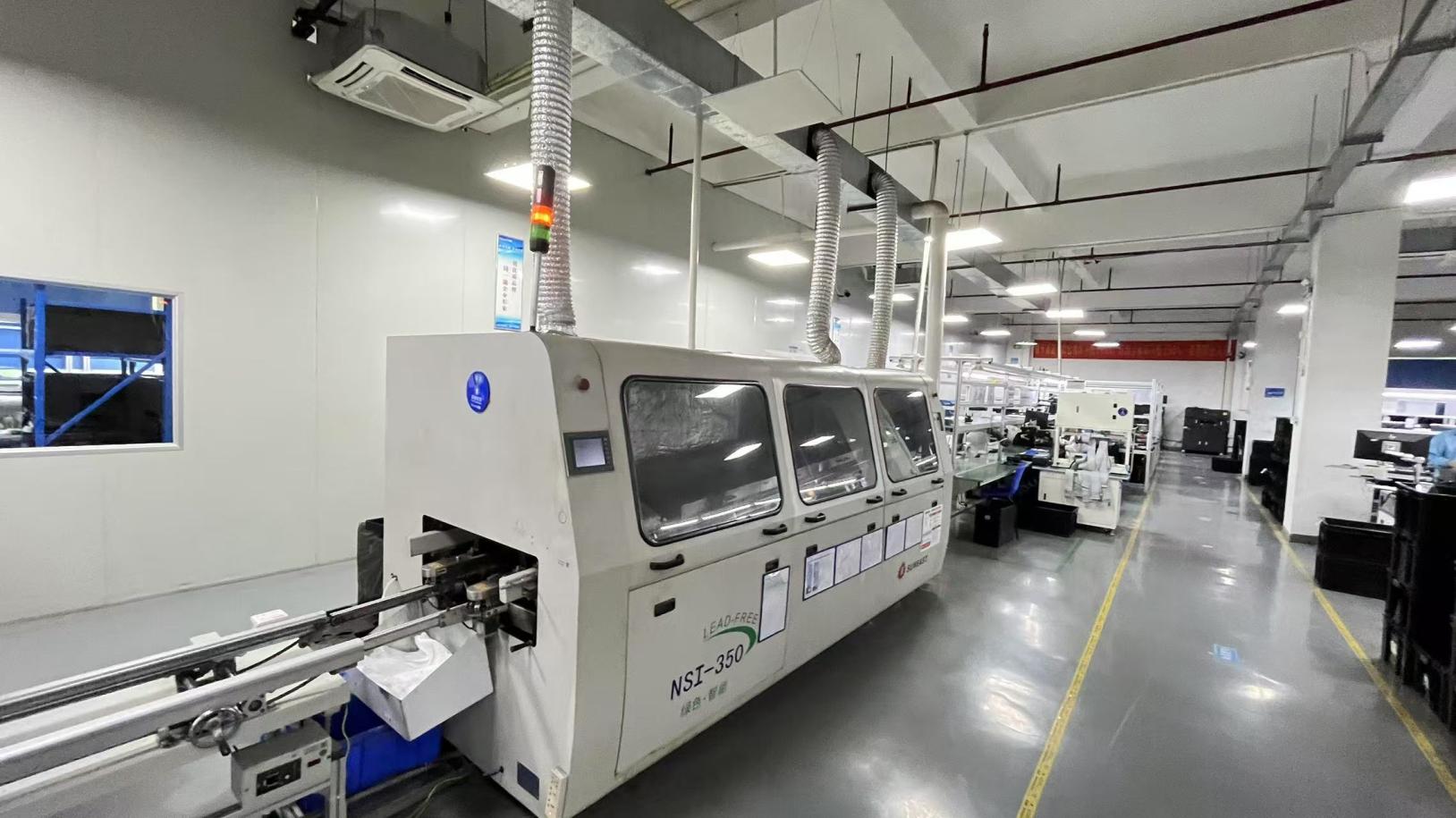
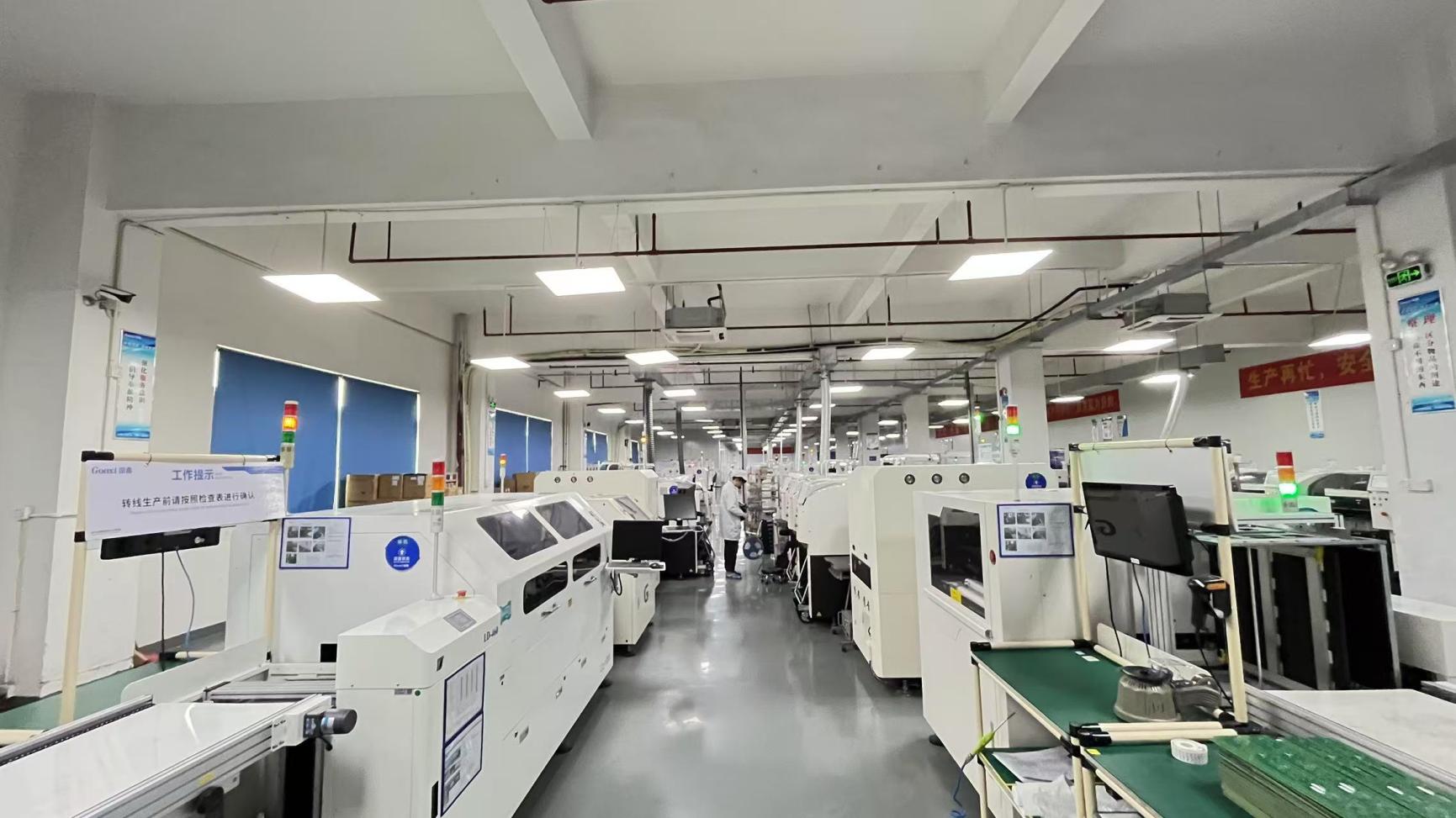

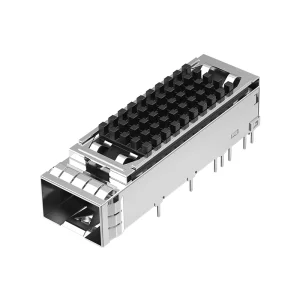
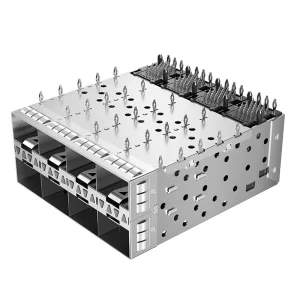
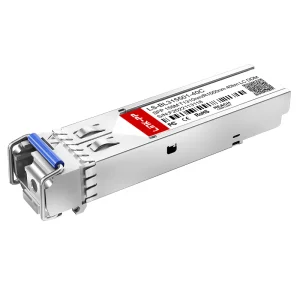
Discover our industrial-grade transceivers, low-profile modular jacks, and high-frequency SFP cages.
Addressing essential queries concerning performance characteristics, deployment considerations, and production specifications.