 Zyqora
Zyqora
Zyqora
Optimized for high-density switches, hyper-scale cloud routing, and local enterprise core networks in Victoria.
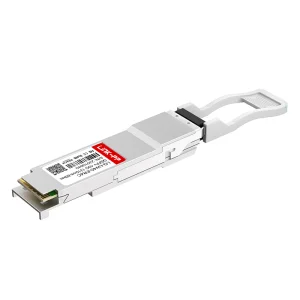
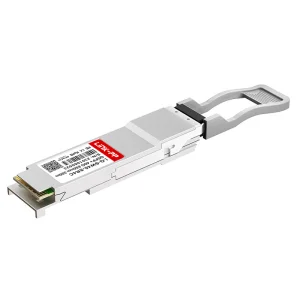
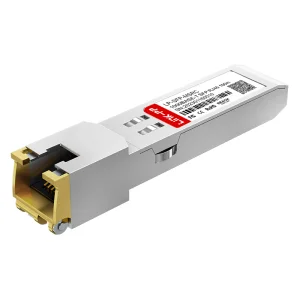
Melbourne, as Victoria's premier economic hub and one of Australia's fastest-growing digital cities, is undergoing an unprecedented expansion of its ICT infrastructure. With the proliferation of hyper-scale data centers—including facilities managed by NEXTDC, Equinix, AirTrunk, and CDC—local network operations, cloud vendors, and multi-tenant hosting environments require high-performance, resilient connectivity architectures. Optical transceivers serve as the critical bridge connecting optical fibers to active routing hardware.
The transition from legacy 10G networks to high-bandwidth 40G, 100G, 400G, and even 800G platforms in Melbourne's financial, academic, and industrial zones is driven by several key factors. High-frequency trading, IoT smart-city deployments, and edge computing for logistics hubs near the Port of Melbourne demand transceivers that deliver minimal insertion loss, exceptional heat dissipation, and flawless compatibility.
By sourcing directly from advanced global manufacturing centers, Melbourne enterprise buyers can bypass local distribution markup. This yields an estimated 35-50% savings on deployment costs while securing high-reliability modules custom-coded for major OEM brands like Cisco, Arista, Juniper, and HP.
Engineered with high-speed VCSELs and photodetectors for mission-critical paths.
Guaranteed 100% interoperability with switches from major network manufacturers.
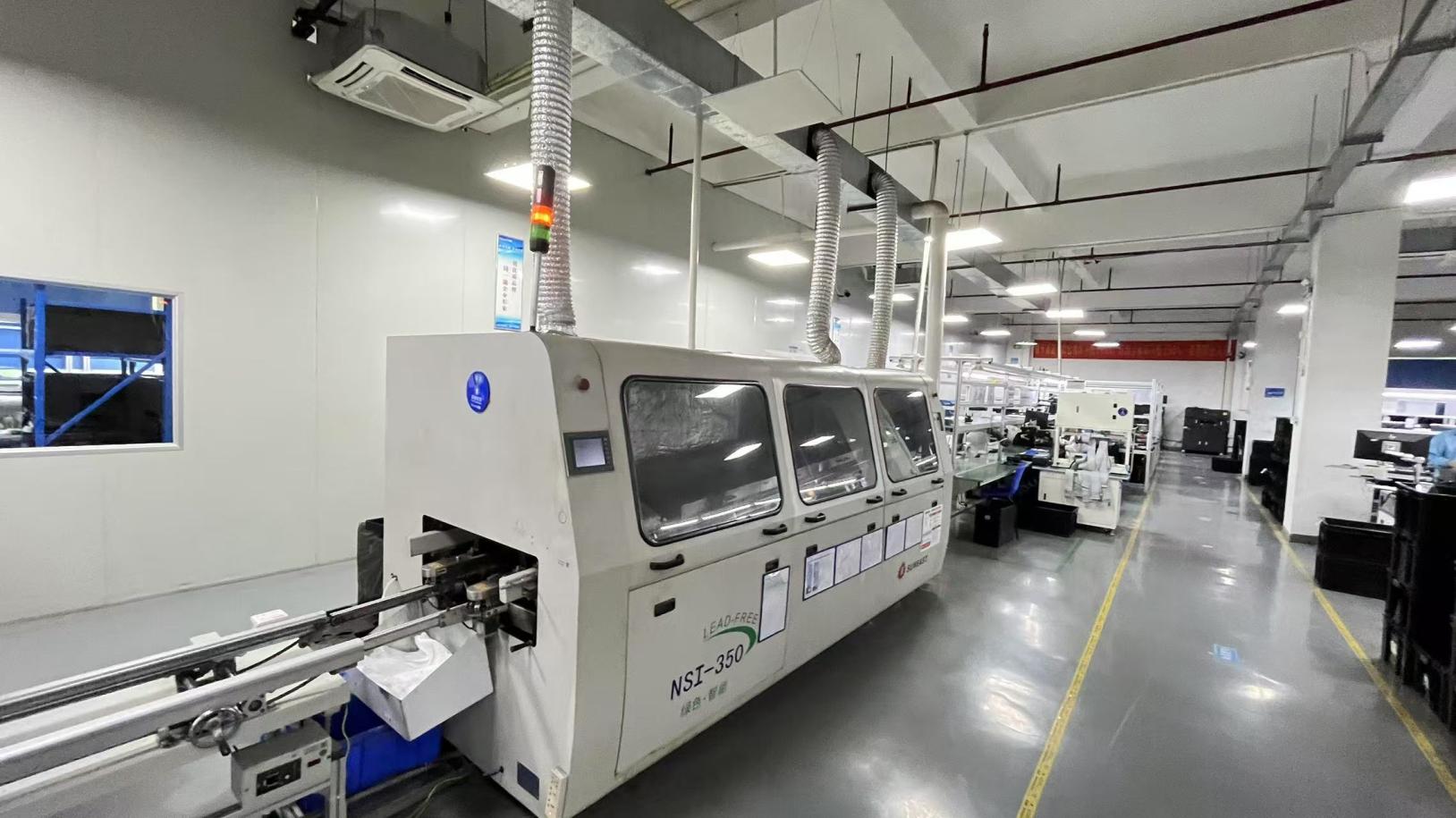
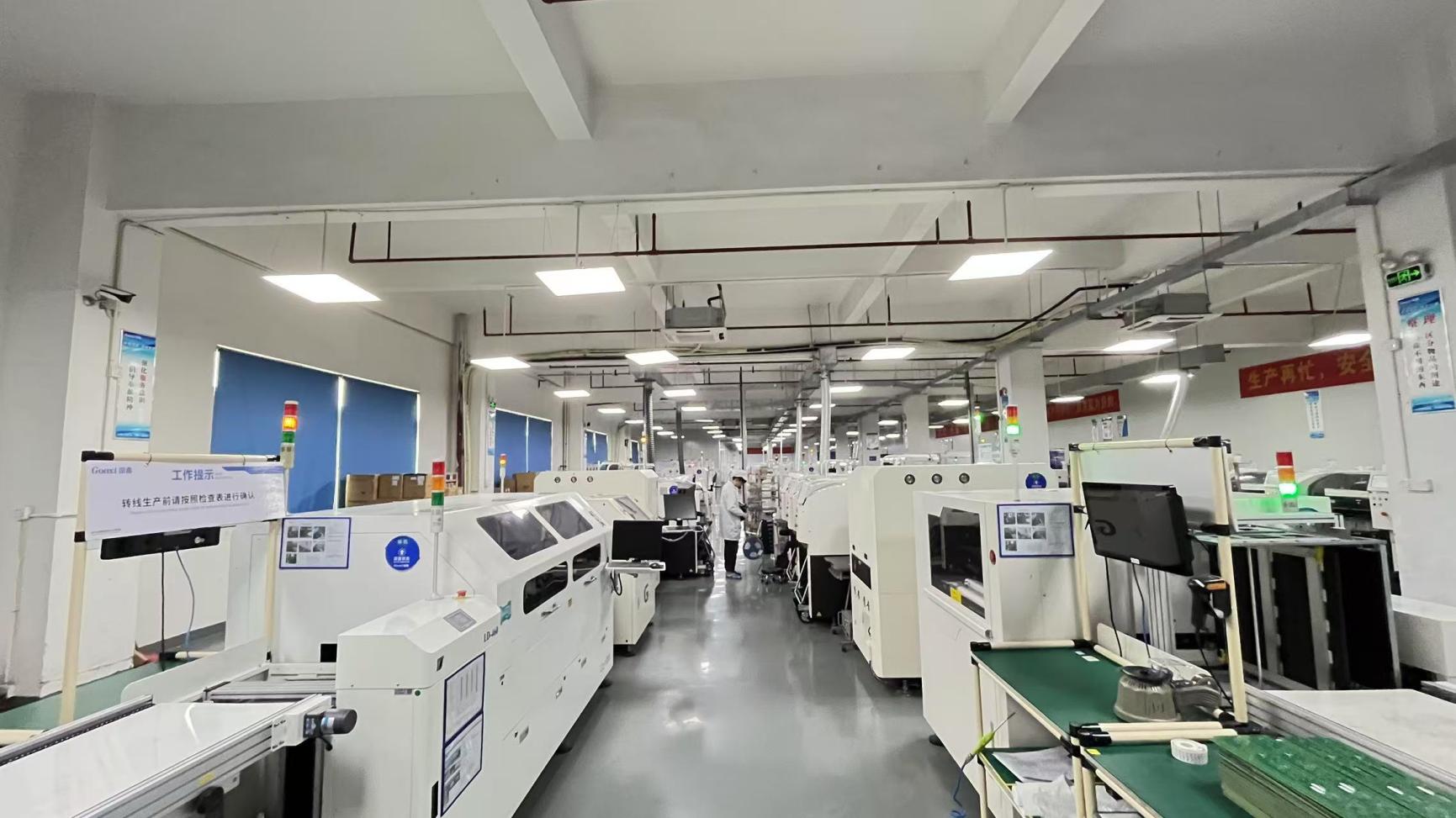
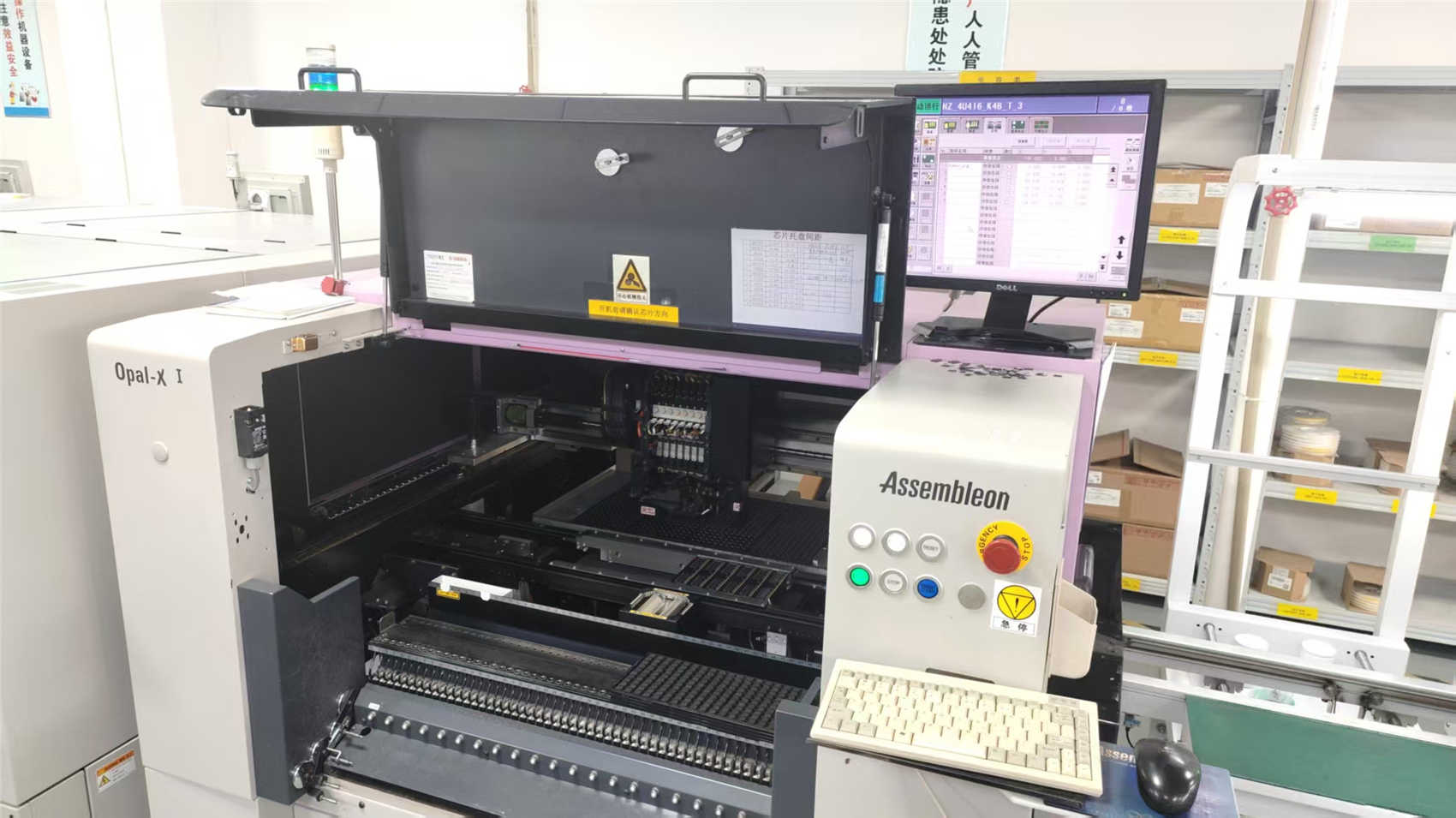
The international optical communications market is highly dependent on scalable production centers. While local logistics support, configuration, and diagnostics can be managed within Melbourne's industrial precincts, high-precision optoelectronic fabrication requires advanced wafer manufacturing, automated alignment (die-bonding, wire-bonding), and automated optical testing.
| Transceiver Type | Data Rate & Wavelength | Maximum Reach | Melbourne Application Context | Form Factor & Connectors |
|---|---|---|---|---|
| QSFP-DD SR8 / DR4 | 400Gbps / 850nm or 1310nm | 100m (MMF) / 500m (SMF) | Spine-Leaf networks in Hyperscale Data Centers | QSFP-DD (Duplex LC, MPO-12, MPO-16) |
| QSFP28 LR4 / ER4 | 100Gbps / LAN-WDM (1295~1309nm) | 10km to 40km (SMF) | Metro-Ethernet interconnects & Enterprise WANs | QSFP28 (Duplex LC) |
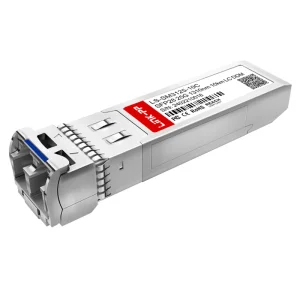
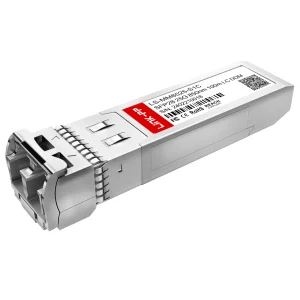
| SFP28 SR / LR | 25Gbps / 850nm or 1310nm | 100m (MMF) / 10km (SMF) | 5G Front-haul routing & Next-Gen Switch-to-Server links | SFP28 (Duplex LC) |
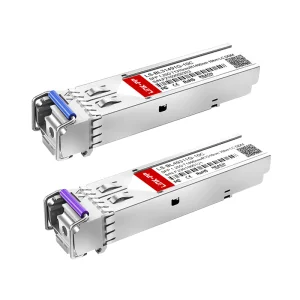
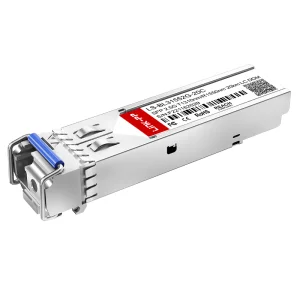
| SFP+ BiDi (Simplex) | 10Gbps / 1270nm-TX / 1330nm-RX | 20km to 80km | Efficient FTTH/Telecom backhaul saving fiber strand costs | SFP+ (Simplex LC) |
China remains the undisputed powerhouse of optical communications components, producing over 65% of the world's transceiver products. The efficiency of a specialized production facility is derived from dense industrial clustering. Within our manufacturing ecosystem, raw component supply chains (lasers, photodiodes, DSPs, optical cages) are located in close geographical proximity. This allows for unmatched turnaround speeds, rapid prototyping, and dynamic capacity adjustments.
Furthermore, our factory employs state-of-the-art testing equipment, such as DCA-X oscilloscopes, Bit Error Rate Testers (BERT), and temperature chamber matrices. This level of investment ensures that every single module leaving the line features performance metrics equivalent to or exceeding OEM brand components, but at a fraction of the cost.
Founded in 2016, Zyqora Optical Technologies Co., Ltd. is a professional manufacturer and supplier of high-performance optical transceivers and fiber connectivity solutions for global data center, telecom, enterprise network, and cloud computing applications.
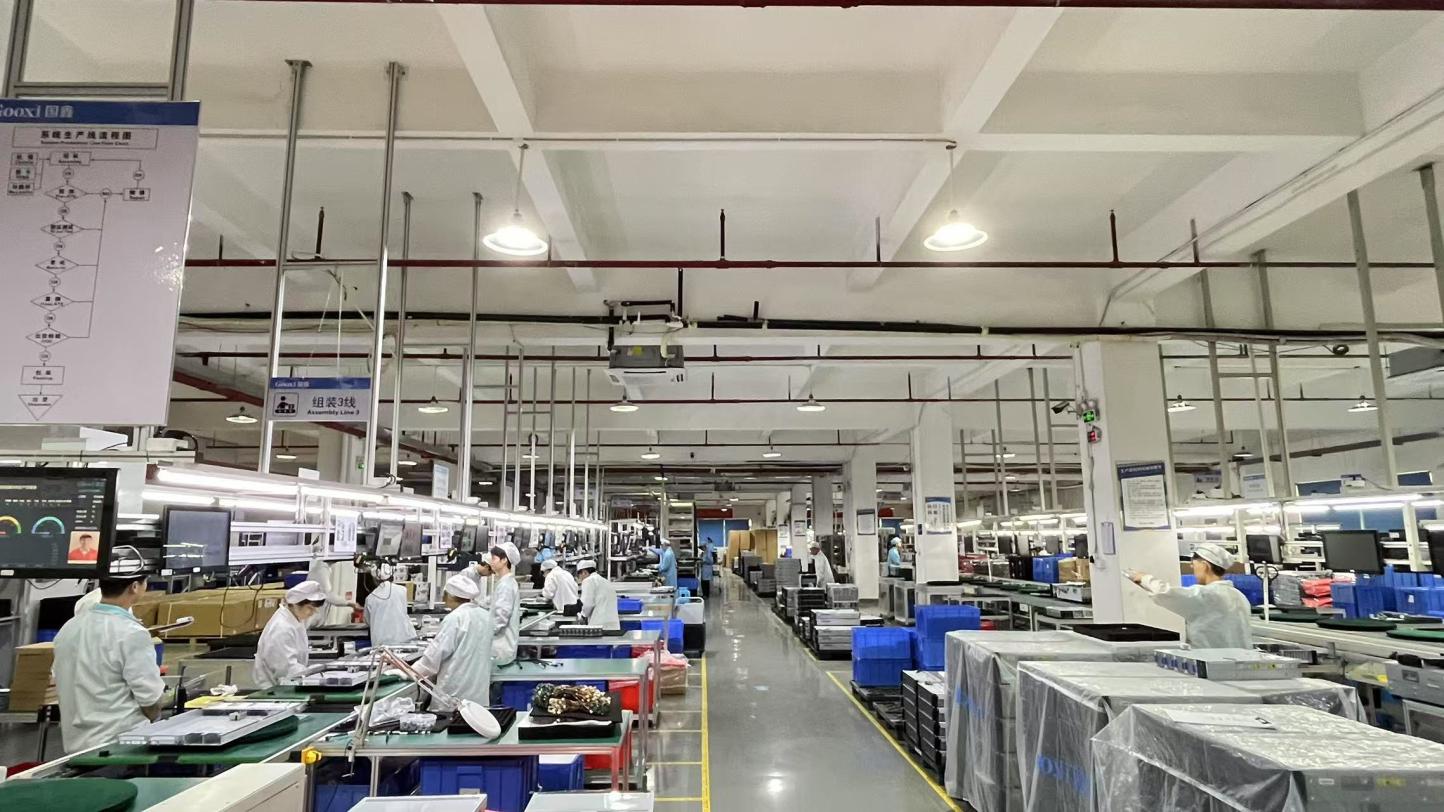
With a modern production facility covering 386 square meters, Zyqora specializes in the design, development, manufacturing, and testing of optical communication products, including SFP, SFP+, SFP28, QSFP28, QSFP-DD, OSFP, AOC, and DAC solutions. Our products are engineered to deliver reliable performance, scalability, and seamless compatibility with mainstream networking platforms.
Quality is at the core of everything we do. Our manufacturing process is supported by comprehensive quality assurance procedures, including incoming material inspection, optical performance testing, aging tests, compatibility verification, and final product inspection. A dedicated team of 42 quality control professionals ensures that every product meets international standards and customer expectations.
Backed by 8 years of export experience and 10 years of industry expertise, we serve customers across North America, Europe, Southeast Asia, the Middle East, and Latin America. As a company with both manufacturing and international trading capabilities, Zyqora has built a reliable supply network with more than 860 partners, enabling efficient sourcing, stable production, and flexible delivery schedules.
Zyqora offers comprehensive OEM and ODM services, including customized labeling, firmware coding, packaging design, and product specification development. Last year alone, the company successfully launched 168 new products to meet the growing requirements of next-generation network infrastructures.
As networks evolve to higher speeds, the physical limits of traditional electrical interfaces are driving key architectural shifts. Melbourne engineering groups must prepare for emerging standards to future-proof their network investments.
LPO modules remove the DSP from the pluggable transceiver, relying entirely on the host ASIC's SerDes to drive the link. This architecture slashes transceiver latency by up to 75% and decreases power consumption by 30-50%, a critical factor for large-scale data center environments facing carbon-neutral targets.
By integrating optical components directly onto silicon substrates alongside electronics, Silicon Photonics promises lower production costs and vastly improved thermal characteristics. SiPh will serve as the core platform for the 800G and 1.6T transceivers entering production in the coming years.
CPO shifts the optical interface directly onto the host ASIC package, eliminating the traditional pluggable cage structure entirely. This technology addresses signal integrity issues at speeds exceeding 1.6 Tbps, representing the long-term solution for high-density, multi-terabit switching.
Critical questions and detailed answers regarding the procurement, compatibility, and implementation of optical transceivers for Melbourne and global projects.
Third-party optical transceivers are built using identical optical engines (e.g., Broadcom chips or Lumentum lasers) and assembled in the same cleanrooms as OEM-branded components. They adhere strictly to Multi-Source Agreements (MSA). The primary difference is the manufacturer's brand logo and the price premium. High-quality third-party transceivers are programmed with vendor-specific firmware, making them indistinguishable to the host switch at a savings of up to 70%.
No. In Australia, consumer protection laws and competitive trade practices prevent manufacturers from voiding an equipment warranty simply because third-party components are used. OEM switch vendors cannot refuse to support hardware unless it is proved that the third-party transceiver directly caused the fault.
Single-mode fiber (SMF) has a small core (typically 9µm) that allows only one mode of light to propagate, minimizing dispersion. This makes SMF ideal for long-distance transmissions ranging from 10km to 100km. Multi-mode fiber (MMF) has a larger core (typically 50µm or 62.5µm) that supports multiple optical modes, causing higher dispersion. MMF is limited to shorter spans, typically up to 100m–150m, making it suitable for cost-effective, intra-data center connections.
Zyqora implements a rigorous hardware-in-the-loop (HIL) compatibility matrix testing process. In our testing lab, we maintain a fleet of active switches from major vendors including Cisco, Juniper, Arista, HPE, and Huawei. Every batch of programmed modules is dynamically tested for link initialization, error-free throughput, DOM functionality, and firmware handshake parameters before dispatch.
Thanks to our robust supply network with over 860 partners, raw materials are constantly stocked. Standard orders of up to 5,000 transceivers are generally processed, custom-coded, and undergo QA checks within 3-5 business days. Transit time via expedited air express (DHL/FedEx/UPS) from our factory to the Melbourne metropolitan area is typically 3-5 days.
Explore our complete range of high-performance passive and active components supporting Melbourne's telecom infrastructure.
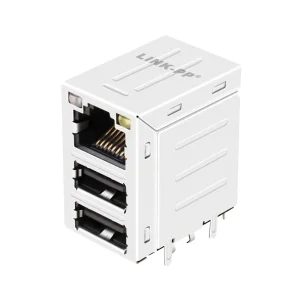
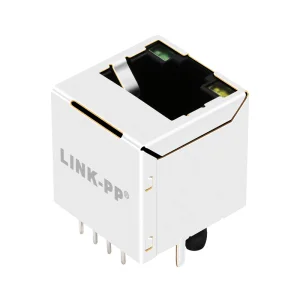
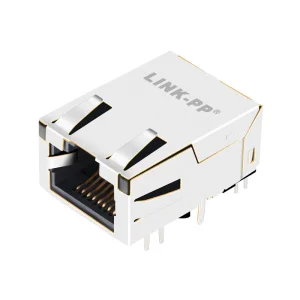
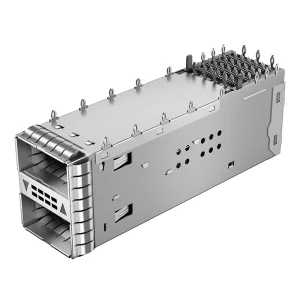
Get in touch directly with our engineering team for customized firmware configurations, bulk pricing options, and sample runs. We guarantee 100% interoperability with your existing switch fabric.