Zyqora
Zyqora
Zyqora
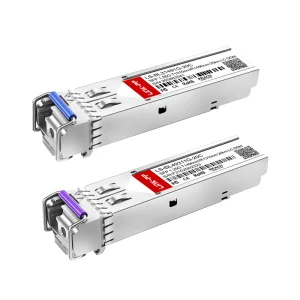
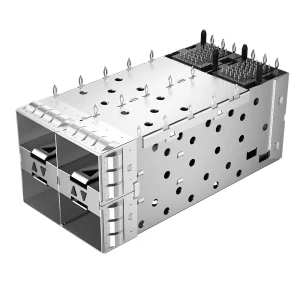
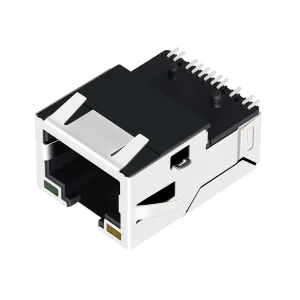
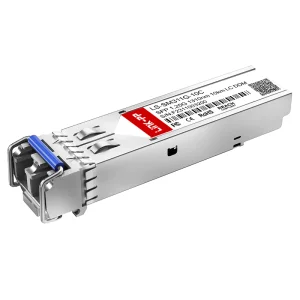
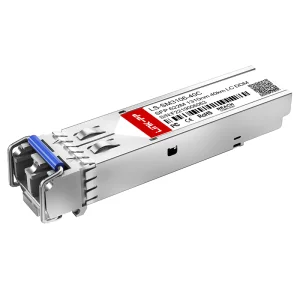
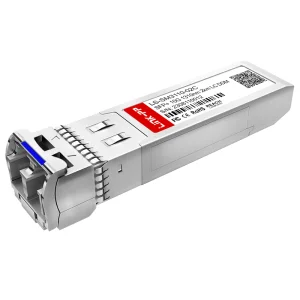
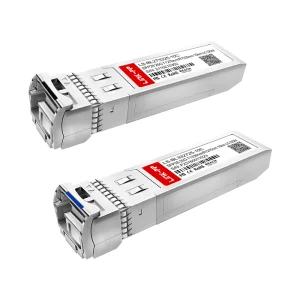
In high-density physical layer designs, optical transceivers act as the critical bridge transforming digital electronics into physical optical pathways. Multi Mode SFP (Small Form-factor Pluggable) modules are specifically optimized for short-range communication, utilizing short-wavelength Vertical-Cavity Surface-Emitting Lasers (VCSELs) operating at nominal wavelengths of 850nm.
Unlike single-mode systems that restrict optical propagation to a single wave path or spatial mode, multimode optical systems take advantage of wider core fiber patch cables (50 µm or 62.5 µm in diameter). This configuration allows multiple spatial patterns of light to travel down the core simultaneously. While this introduces modal dispersion—the main physical limitation restricting link distance—it offers major economic advantages for localized networks. The larger core size simplifies fiber alignment, leading to lower coupling losses and significantly reduced cost of both the transceiver optical sub-assemblies (TOSA/ROSA) and the optical connector interfaces.
Technical Insight: VCSEL vs. Edge-Emitting Lasers
Multi-mode transceivers rely on VCSEL arrays. VCSELs emit light perpendicular to the chip surface, enabling simple wafer-level testing and efficient coupling into multimode fibers. This contrasts with the Fabry-Perot (FP) or Distributed Feedback (DFB) edge-emitting lasers used in single-mode transceivers. The resulting manufacturing yield difference is the primary reason why multi-mode architectures represent the most cost-effective optical option for transmission distances under 500 meters.
Modern data architectures implement advanced digital interfaces to monitor operational characteristics in real time. The SFF-8472 standard defines the parameters for Digital Optical Monitoring (DOM) or Digital Diagnostics Monitoring (DDM). With DOM enabled, network engineers can track crucial variables including internal transceiver temperature, laser bias current, transmitted optical power, received optical power, and power supply voltage. This capability allows operators to pinpoint potential physical-layer faults before they lead to packet drops or port shut-downs.
Within corporate offices and campus networks, multimode fibers connect floor-level distributors to central server rooms. Multi Mode SFPs provide high-bandwidth connectivity over OM3 or OM4 runs, handling high-volume local traffic, VoIP, and video conferencing with minimal latency.
Modern data centers employ a Leaf-Spine network architecture. Multi Mode SFP+, SFP28, and QSFP modules provide the essential physical interconnections for the short-distance links between top-of-rack (ToR) switches and core distribution layers, minimizing network delay.
Factory automation and industrial processing sites are subject to severe Electromagnetic Interference (EMI) from motors and heavy machinery. Fiber-optic links using Multimode transceivers are completely immune to electrical noise, ensuring reliable industrial communication.
Founded in 2016, Zyqora Optical Technologies Co., Ltd. is a leading professional manufacturer and supplier of high-performance optical transceivers and fiber connectivity solutions. We serve global data centers, telecommunications providers, enterprise network infrastructures, and cloud computing operations.
Operating from our production facility, Zyqora specializes in the design, development, manufacturing, and validation of advanced optical communication products, including SFP, SFP+, SFP28, QSFP28, QSFP-DD, OSFP, AOC, and DAC solutions. Our engineering ensures complete compatibility with mainstream networking platforms, high operational stability, and scalable bandwidth.
The telecommunications industry is moving beyond standard Non-Return-to-Zero (NRZ) modulation formats. At higher speeds, modal dispersion and signal-to-noise ratio requirements demand new transceiver designs. The transition to 50G and 100G per-lane architectures requires the adoption of Pulse Amplitude Modulation 4-Level (PAM4), which encodes two bits of information per symbol period, cutting the required physical bandwidth in half.
Additionally, the evolution of multimode fiber has led to OM5 Wideband Multimode Fiber (WBMMF). Unlike OM3 and OM4, which are optimized for 850nm, OM5 supports spectral transmission across the 850nm to 953nm range. This enables Shortwavelength Wavelength Division Multiplexing (SWDM4), allowing four separate wavelengths to run over a single multimode fiber pair, quadrupling bandwidth without requiring new fiber installations.
The Evolution of Fiber Standards:
• OM3: Laser-optimized MMF, 2000 MHz·km EMB at 850nm, supports 10G up to 300m.
• OM4: High-bandwidth MMF, 4700 MHz·km EMB at 850nm, supports 10G up to 400m / 100G up to 100m.
• OM5: Wideband MMF, supports multiplexed wavelengths from 850nm to 950nm, designed for high-density multi-lambda applications.
Zyqora's active research and development efforts focus on integrating Silicon Photonics (SiPh) platforms and Co-Packaged Optics (CPO) architectures. By combining optical modulation components directly onto silicon chips, future transceivers will deliver lower power consumption, higher thermal limits, and unprecedented density.
China's telecommunications manufacturing sector offers deep integration across component suppliers, substrate fabrication, precise injection molding, automated optical alignment systems, and testing equipment.
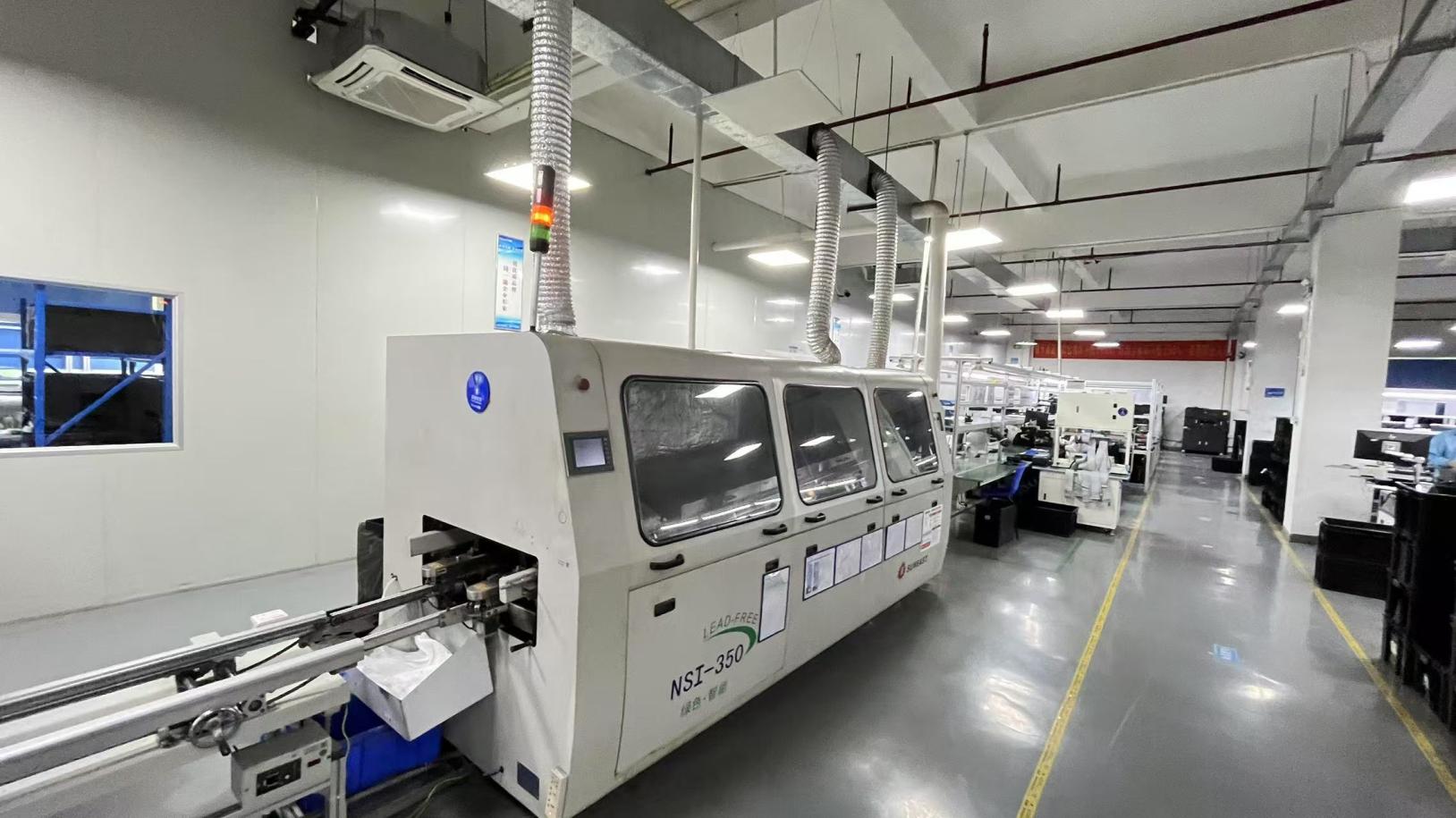
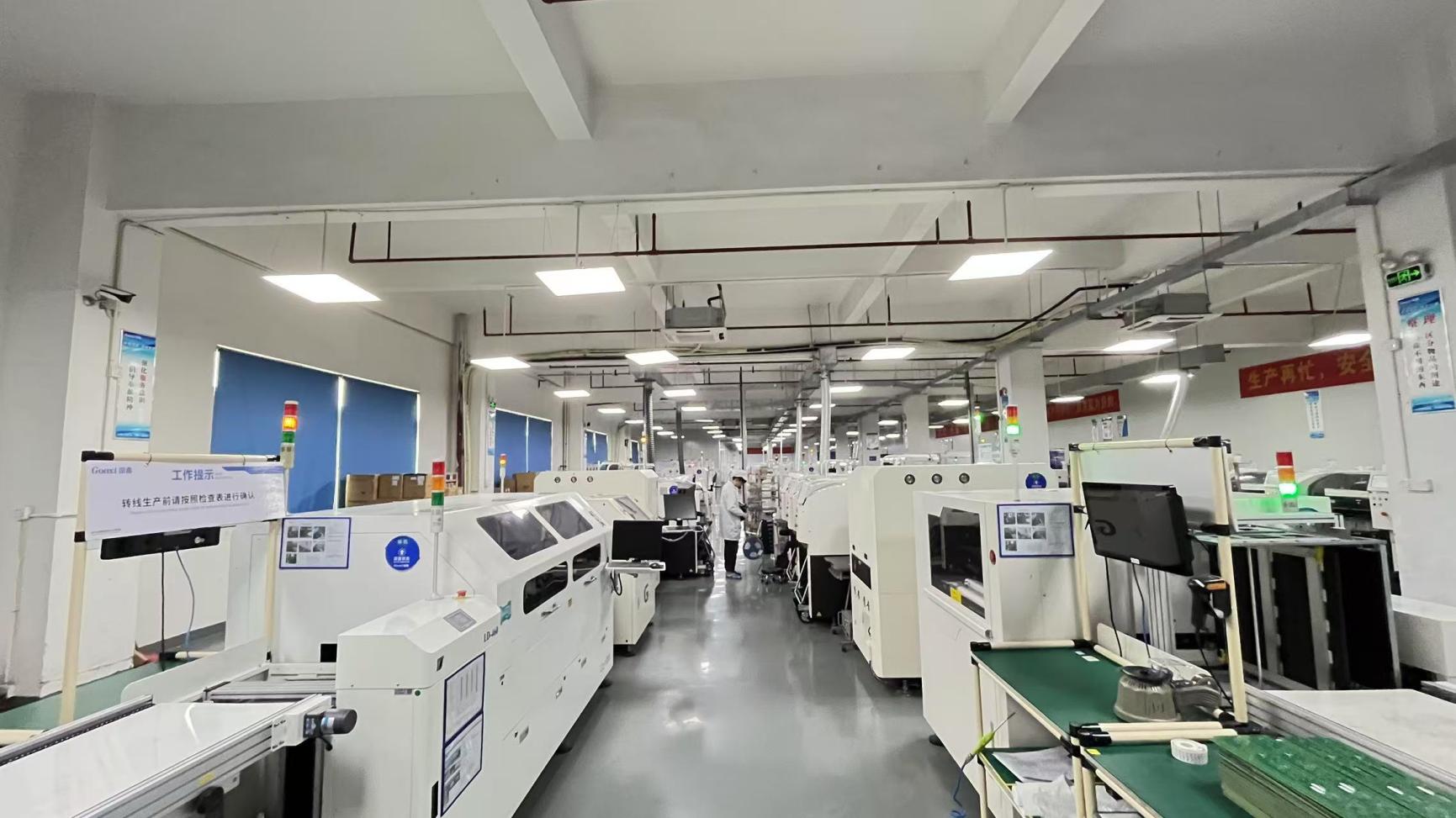
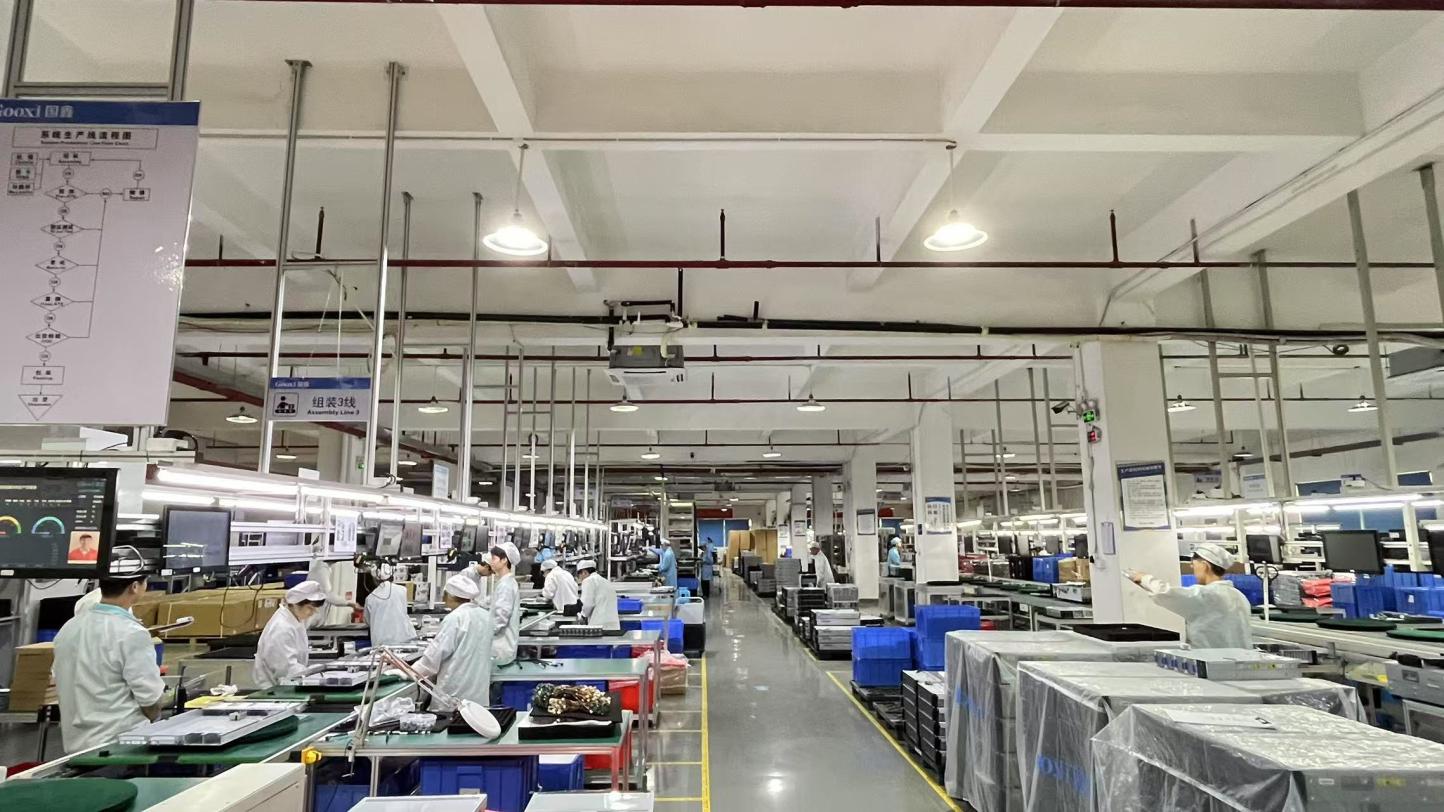
At Zyqora's production facility, our manufacturing processes are backed by a robust network of over 860 supply chain partners. This integrated supply structure ensures we maintain consistent stock of key raw components—such as optical sub-assemblies (TOSA/ROSA), laser diodes, micro-controllers, and printed circuit board assemblies (PCBAs)—even during global market fluctuations. This allows us to offer shorter production lead times and competitive pricing.
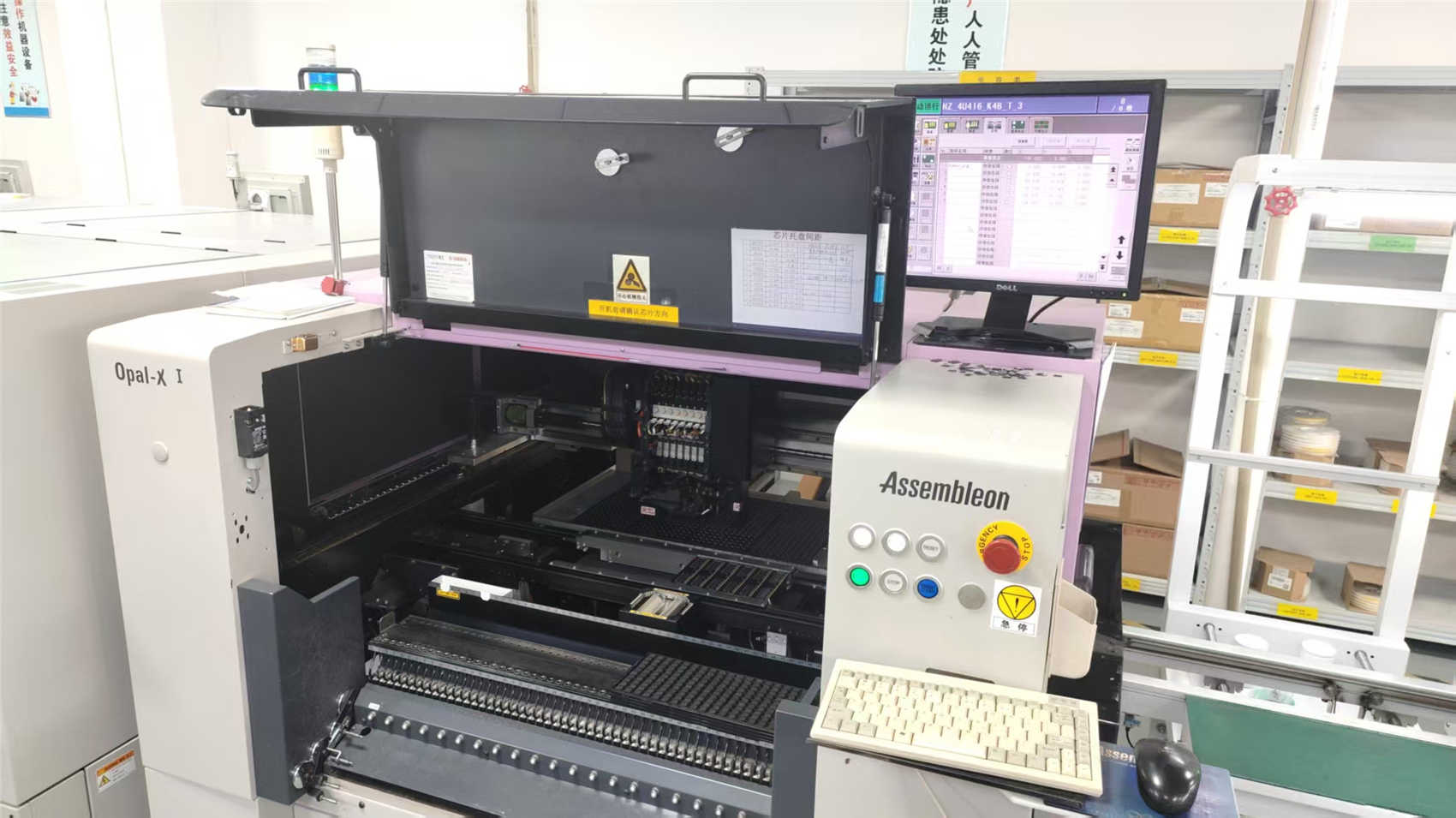
Our facility uses automated precision optical positioning systems alongside manual assembly by trained electronics technicians. Our quality assurance framework covers five main stages:
We test every batch of optical headers, VCSEL elements, transimpedance amplifiers, and metal housing assemblies against strict parameters before production begins.
We use high-power microscopes and precision automated positioning platforms to ensure accurate optical alignment between the laser diode emitter and the LC/SC connector interface.
Every module is programmed with correct firmware, EEPROM descriptors, and undergoes validation of its DOM/DDM telemetry readouts across dynamic working temperatures.
Deploying high-speed transceiver networks globally requires strict adherence to international safety and compatibility standards. Zyqora's optical transceiver modules comply with the following global certifications:
Additionally, Zyqora provides localized field engineering support. We offer customization services, including custom firmware coding to resolve hardware handshaking issues, personalized labeling, and custom packaging. This guarantees that when our transceivers are installed in environments using Cisco, Juniper, Arista, or other major brand hardware, they configure immediately without throwing "unsupported transceiver" warnings.