Zyqora
Zyqora
Zyqora
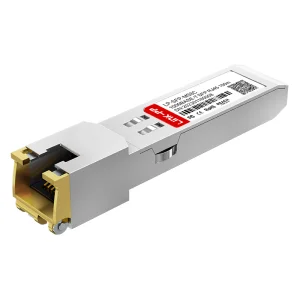
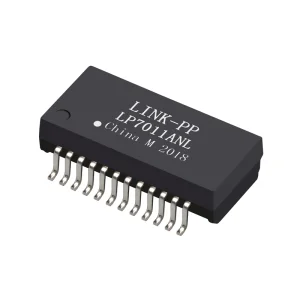
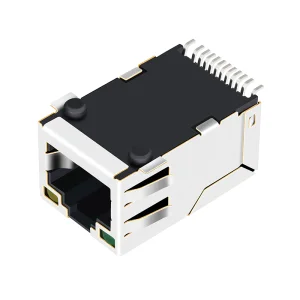
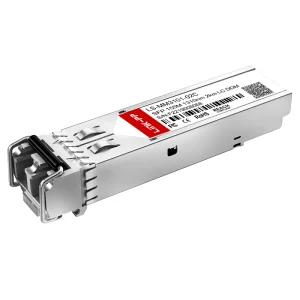
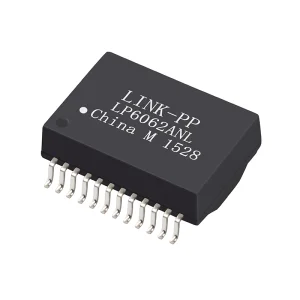
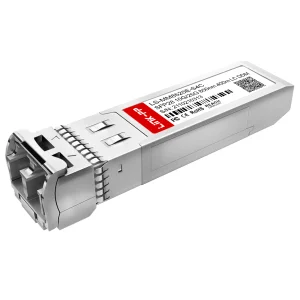
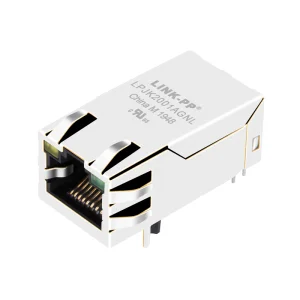
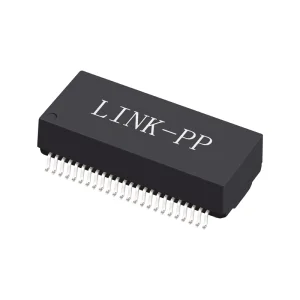
High-reliability SFP transceivers, PoE magnetic transformers, and rugged connectors engineered to support critical physical layer performance.
In modern industrial applications, standard commercial-grade patch cables fail rapidly. Exposure to extreme temperatures, continuous flexing, corrosive chemicals, mechanical stress, and intense electromagnetic interference (EMI) degrades standard PVC jackets and disrupts signal integrity. Industrial operations require high-performance, ruggedized Ethernet solutions capable of maintaining flawless data transmission in the most demanding conditions.
Rugged Ethernet cables are specifically engineered to withstand mechanical abuse, chemical degradation, and electrical noise. Standard cables lack the structural reinforcement and specialized materials necessary to handle environments like robotic arms, marine platforms, subsea installations, and heavy mining infrastructure.
By using advanced shielding topologies (such as S/FTP and SF/UTP) and heavy-duty jacket materials like TPU (Thermoplastic Polyurethane) and PUR (Polyurethane), industrial cables shield internal copper conductors or optical fibers from external stressors. This prevents packet loss, signal attenuation, and unplanned operational downtime.
"Field failures in industrial networks are 70% more likely to stem from mechanical degradation of the physical layer than from active hardware issues. Investing in certified rugged physical connections is vital for operational longevity."
| Stress Factor | Impact on Standard Cable | Rugged Cable Solution (OEM/ODM Specs) |
|---|---|---|
| Mechanical Abrasion & Tension | Jacketing tears, copper wire stretching and fracture. | High-tensile aramid strength members & cut-resistant TPU/PUR. |
| Electromagnetic Noise (EMI) | Data corruption, crosstalk, packet transmission retries. | Individual foil pair shields plus tinned copper braid (S/FTP, 100% coverage). |
| Corrosive Liquids & Hydrocarbons | Jacket dissolution, moisture ingress, impedance changes. | Chemical-resistant elastomeric materials (FEP, PUR, Oil Res I & II compliance). |
| Extreme Thermal Ranges | Thermal cracking at cold, dielectric melting at high heat. | Expanded operating range (-40°C to +85°C/125°C) cross-linked polymers. |
Developing rugged Ethernet infrastructure requires careful material selection and advanced manufacturing techniques. The roadmap for industrial networking components covers high bandwidth capacities (Cat 6A up to Cat 8) and specialized architectures like Single Pair Ethernet (SPE) for Industrial IoT (IIoT).
Thermoplastic Polyurethane (TPU) and Polyurethane (PUR) offer high resistance to tear, abrasion, ozone, and oil. For high-temperature or vacuum environments, Fluorinated Ethylene Propylene (FEP) provides excellent chemical inertness and thermal performance up to 200°C.
To eliminate EMI from motors and variable frequency drives, premium cables use double shielding (S/FTP). This combines individual aluminum foil wraps for each copper pair with a high-density tinned copper braid shield, achieving up to 100% EMI protection.
SPE (IEEE 802.3cg) enables lightweight, space-saving connections for sensors. It delivers 10 Mbps data rates and Power over Data Line (PoDL) over distances up to 1000 meters using a single pair of wires, reducing installation weight by up to 60% compared to four-pair cables.
The internal design of a ruggedized cable is built for mechanical endurance. To handle dynamic flexing in robotic systems, cables use fine-stranded conductors (up to 19 strands or more per wire core) instead of solid copper. This stranding reduces metal fatigue from continuous motion. Additionally, internal lubricants, talcum powder, and PTFE tape wraps minimize friction between internal layers during bending and twisting. Waterproof designs utilize water-blocking tapes and swelling yarns to prevent moisture ingress, even if the outer jacket is damaged.
Rugged networking products are designed for specialized applications across multiple demanding industries.
Aerospace and defense systems require components that are lightweight, low-smoke zero-halogen (LSZH), and resistant to high levels of vibration. Cables must meet strict flame propagation standards (such as IEC 60332-3 or UL 1581) and remain operational under mechanical shock. They typically utilize high-grade SFP transceiver modules and custom circular military connectors (MIL-DTL-38999 series) to ensure secure connections in high-altitude and combat environments.
Oceanographic and marine installations subject networking infrastructure to constant salt spray, high humidity, and extreme hydrostatic pressures. Standard copper and fiber cables degrade quickly due to water ingress and salt corrosion. Marine-grade rugged cables feature polyurethane (PUR) jackets that resist hydrolysis, alongside water-blocking materials that prevent longitudinal water flow in the event of outer sheath damage.
In petrochemical plants and underground mining operations, cables are exposed to toxic gases, heavy vibration, hydrocarbons, and mechanical impacts. Sourcing custom ODM/OEM rugged cabling with chemical-resistant sheaths and specialized shielding helps operations comply with international safety regulations, such as ATEX and MSHA, preventing electrical sparks in hazardous areas.
As a leading hub for electronics manufacturing, China's advanced industrial ecosystem combines raw material access, processing technology, and scale to deliver cost-effective, high-performance networking products.
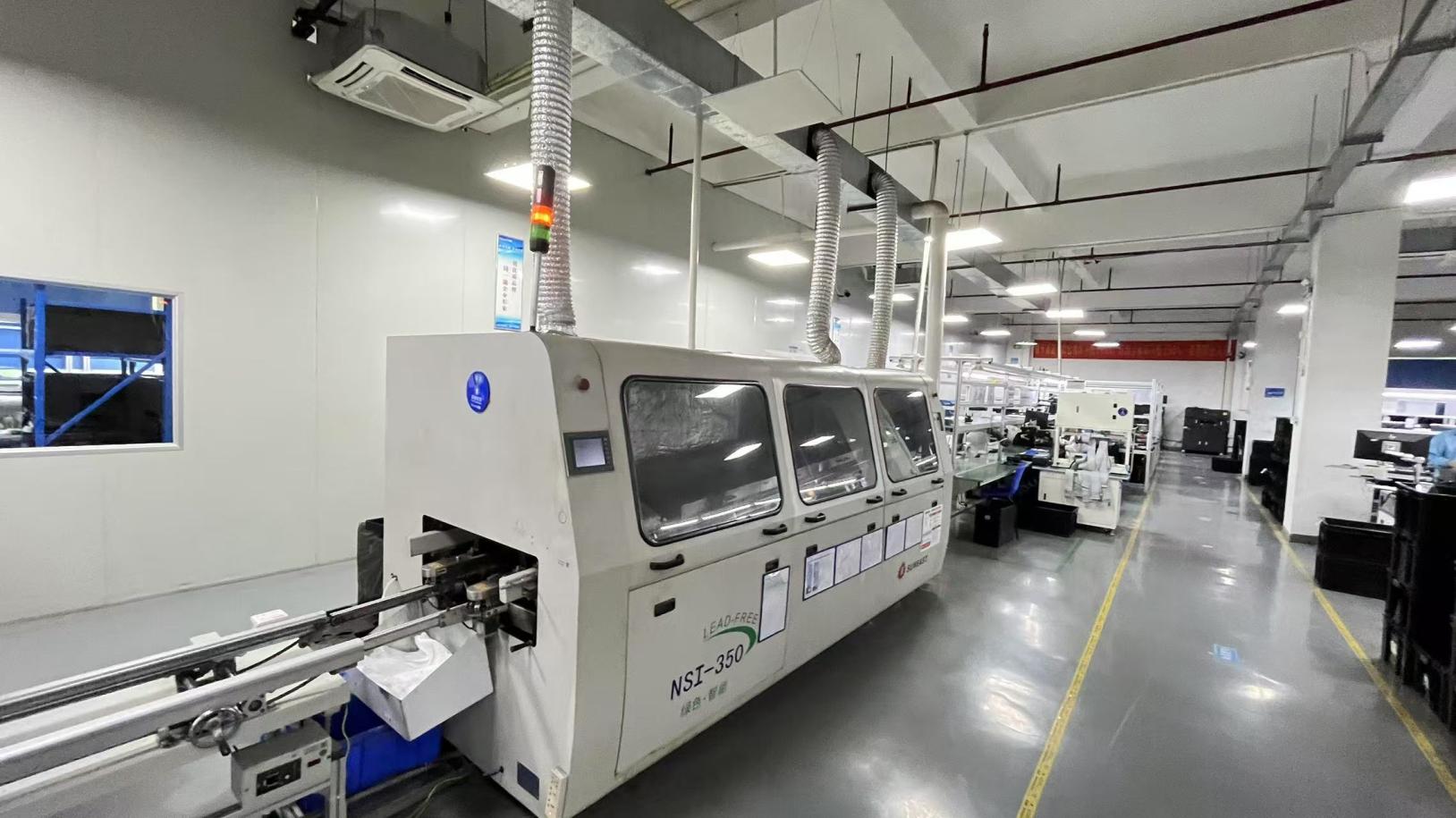
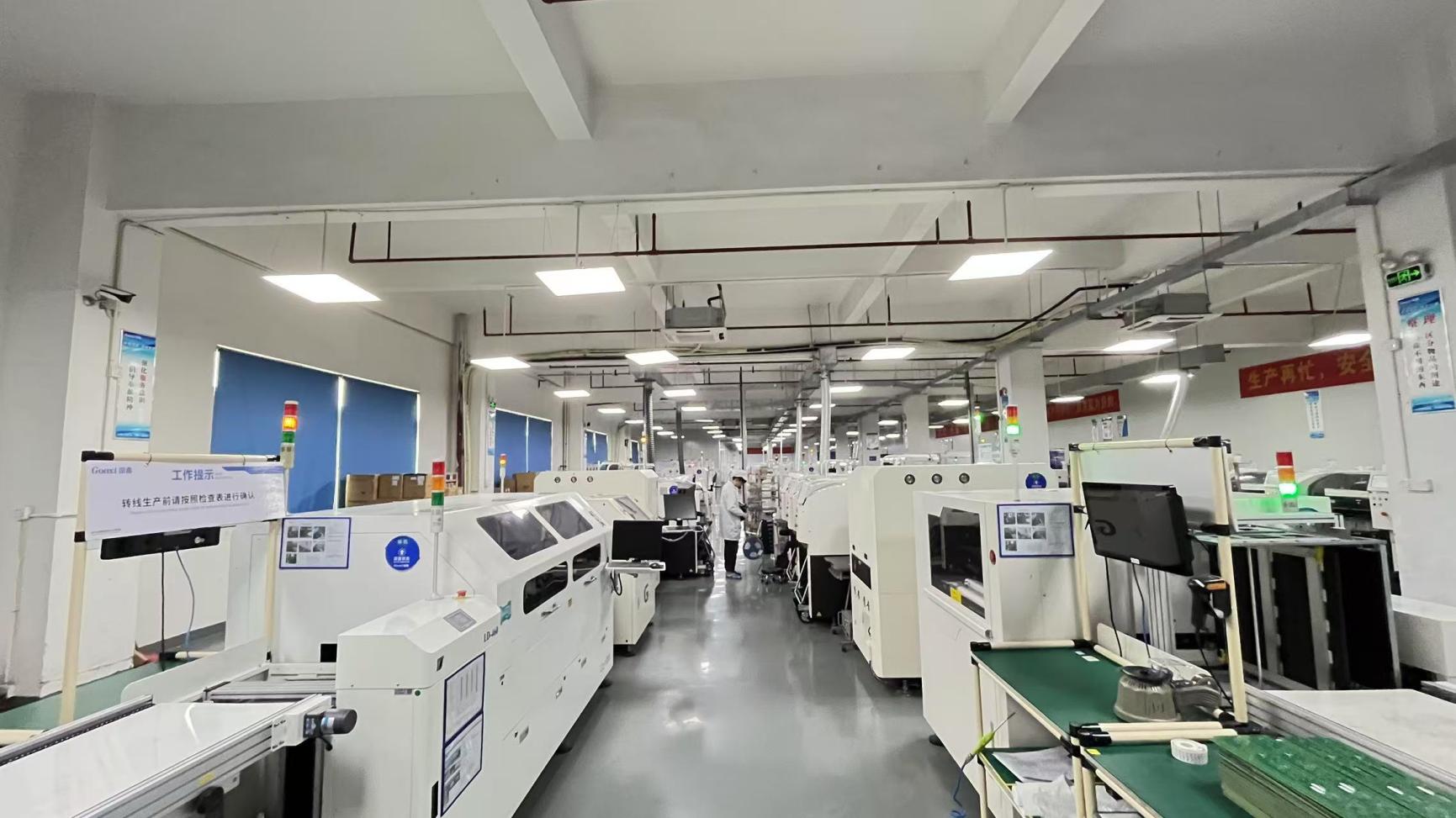
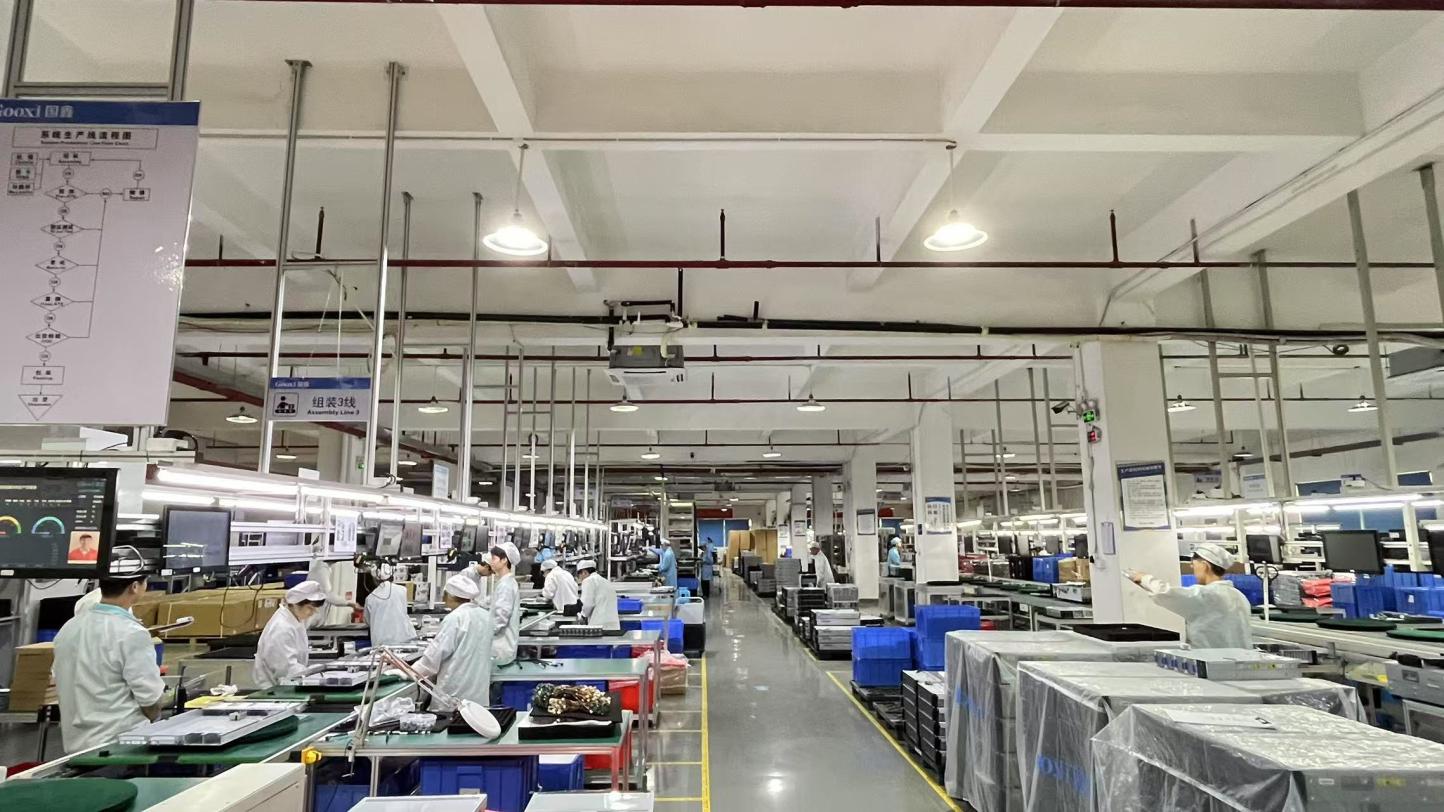
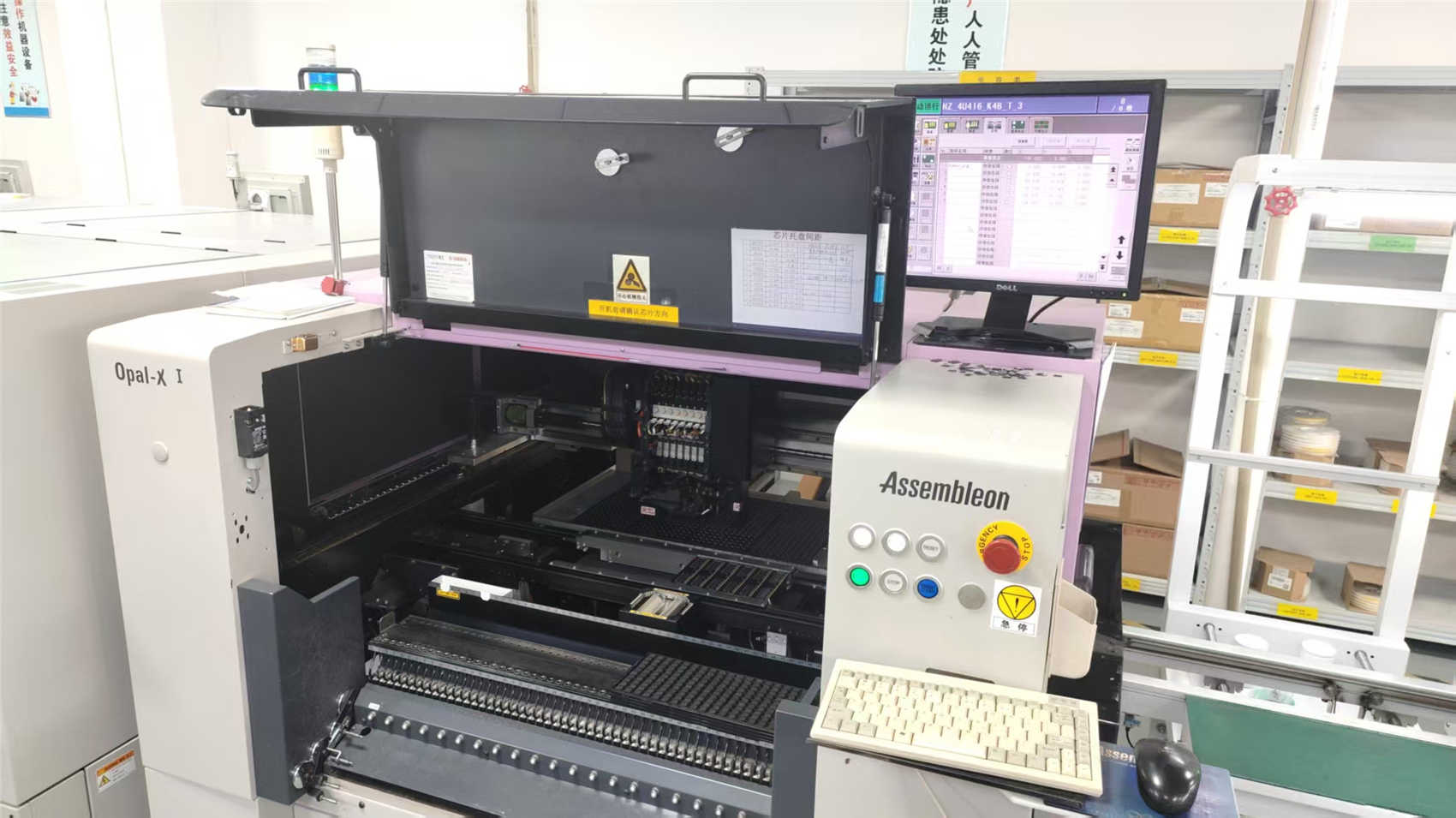
Partnering with a vertically integrated manufacturer in China simplifies the procurement process. Companies like Zyqora Optical Technologies Co., Ltd. leverage local supply networks to source raw materials, conduct precise machining, and execute automated assembly without the delays common in segmented supply chains.
By utilizing advanced testing systems, such as Fluke DSX-8000 analyzers, Vector Network Analyzers (VNA), and environmental chambers for temperature cycling, manufacturers ensure that every batch of cable meets international standards before export. This integration minimizes lead times and reduces the total cost of ownership (TCO) for global buyers.
Supply Chain Integrity: Zyqora maintains active relationships with over 860 certified raw material and component suppliers, ensuring consistent access to high-purity copper, specialized jacket polymers, and advanced optical components.
Zyqora Optical Technologies Co., Ltd. provides customized connectivity products tailored to the technical requirements of global operators and integrators.
Founded in 2016, Zyqora Optical Technologies Co., Ltd. is a specialized manufacturer and supplier of high-performance optical transceivers, fiber connectivity systems, and networking components for data centers, telecommunications, and industrial networks worldwide. Our facility spans 386 square meters and houses advanced production, cleaning, and testing infrastructure.
We specialize in the design, development, and testing of optical communication products, including SFP, SFP+, SFP28, QSFP28, QSFP-DD, OSFP, AOC, and DAC solutions. Our products are engineered for compatibility and stable performance across mainstream networking platforms.
Our OEM/ODM services cover every step of the development cycle, including customized firmware coding, private labeling, modified mechanical enclosures, and specialized packaging design. Last year, our engineering team successfully introduced 168 new products to meet changing customer specifications.
Our R&D department consists of 65 experienced engineers focusing on high-speed optical transmission, physical layer integrity, and platform interoperability. Our manufacturing processes include strict quality controls managed by 42 QC professionals, spanning incoming material inspections, optical performance testing, high-temperature aging tests, and final compatibility verification.
Backed by 8 years of export experience and 10 years of industry expertise, Zyqora has established a strong international presence, serving telecom operators, system integrators, and distributors across North America, Europe, the Middle East, and Latin America, achieving annual export revenues exceeding USD 18 million.
Compliance with international standards is essential to ensure safety, interoperability, and environmental responsibility across global markets.
Exporting high-performance networking products requires adherence to key global certifications. Our manufacturing processes and materials comply with the following standards:
Answers to common questions regarding rugged cabling, transceiver compatibility, and custom OEM/ODM production.
Polyurethane (PUR) offers excellent resistance to water, oils, and chemical hydrolysis, making it suitable for marine environments. Thermoplastic Polyurethane (TPU) provides higher mechanical toughness, cut resistance, and tensile strength, making it ideal for dynamic applications like robotics and drag chains.
S/FTP (Shielded/Foiled Twisted Pair) uses individual foil wraps around each twisted copper pair to eliminate internal crosstalk. It also includes an outer tinned copper braid shield that intercepts low- and high-frequency external electromagnetic interference, maintaining stable signal transmissions.
Yes. Our OEM/ODM service includes custom firmware coding to ensure compatibility with major networking equipment, including Cisco, HPE Aruba, Juniper, and Arista hardware. We test each module in our compatibility lab before shipping.
We perform incoming material inspections on optical sub-assemblies (TOSA/ROSA), high-temperature aging tests, optical performance profiling (including eye diagrams and bit error rate testing), and multi-platform compatibility loops.
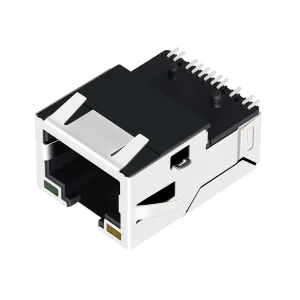
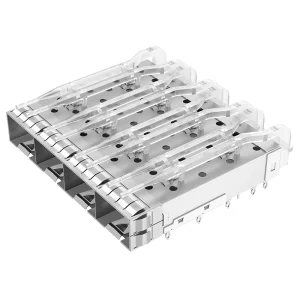
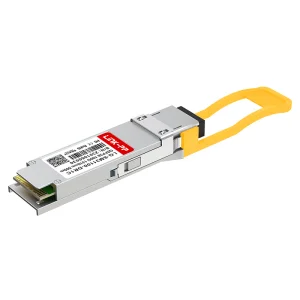
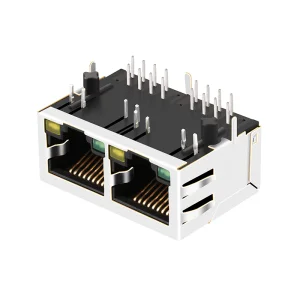
Complete your deployment with EMI-shielded modular jacks, network transformers, and high-speed transceivers.
Inside our production, testing, and quality control departments.