Zyqora
Zyqora
Zyqora
Explore our range of performance-tested transceivers, PCB jacks, and SFP interfaces engineered for low attenuation and high durability.
In modern high-speed communication systems, physical layer transmission integrity is the absolute bottleneck of network performance. In both local area networks (LANs) and enterprise data centers, copper connectivity infrastructure relying on Category 6 (Cat6), Category 6A (Cat6A), and Category 8 (Cat8) specifications must operate under strict tolerance limits. A single poorly terminated or defective RJ45 connector can lead to massive packet loss, impedance anomalies, electromagnetic interference (EMI), and devastating network downtime.
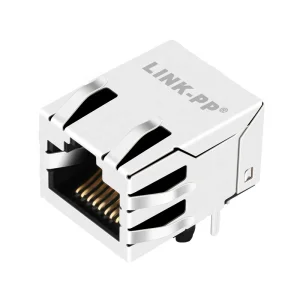
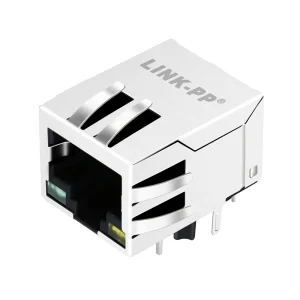
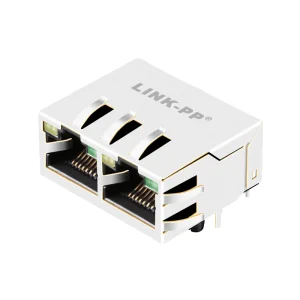
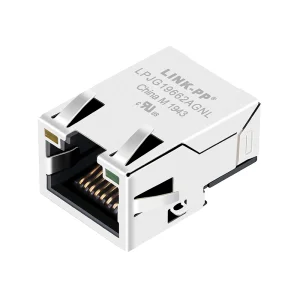
As a leading exporter and customized OEM manufacturer in the optical and network component space, Zyqora Optical Technologies Co., Ltd. offers this comprehensive industry whitepaper to clarify the mechanisms of RJ45 connection validation. Since our establishment in 2016, we have recognized that connectors—such as our *Single Port Cat5e Network RJ45 Female Connector Jack* or industrial-grade *SMT Surface Mount RJ45 Jack with LEDs*—require comprehensive verification testing. A custom OEM RJ45 connector tester serves as the final, critical checkpoint in high-volume production lines and field deployments, ensuring that the connector’s mechanical alignment, signal integrity, and crosstalk parameters align with ISO/IEC 11801 and ANSI/TIA-568.2-D standards.
Information Gain Concept: Traditional continuity testers only verify pin-to-pin electrical mapping. Today's advanced OEM RJ45 testers must analyze frequency domain characteristics including Return Loss, Near-End Crosstalk (NEXT), and Insertion Loss up to 2000 MHz (for Cat8 configurations), while verifying Power over Ethernet (PoE++) compatibility under full load conditions.
To design an effective custom OEM RJ45 connector tester, one must understand the precise physics of high-frequency differential signal propagation inside RJ45 sockets. The transition point between the twisted-pair cable and the IDC (Insulation Displacement Contact) terminals of the connector is the most susceptible area for signal degradation. The critical physical parameters that high-performance testing instruments must evaluate include:
Measures electromagnetic coupling between adjacent wire pairs at the local and far ends. The tester injects high-frequency sweeps to isolate capacitive and inductive coupling within the 8P8C contact matrix.
Signals bounce back when they encounter variations in characteristic impedance (nominally 100Ω). High-precision testers utilize Time-Domain Reflectometry (TDR) to map the exact location of impedance shifts inside the jack assembly.
Ensures that the time difference between the fastest and slowest copper pairs does not exceed strict limits (typically 45ns over a 100m channel), which prevents packet synchronization failures at the PHY chip level.
Beyond signal analysis, contemporary testers must evaluate the DC resistance characteristics of the contact pin array. In PoE deployments, particularly under IEEE 802.3bt Type 4 (90W), any resistance unbalance exceeding 3% between conductors of a pair will saturate the magnetic cores of the Ethernet transformer (similar to the built-in magnetics found in our *HFJ12-E2450ER-L12RL Tab Down 1x2 Ports Ethernet Connector*). This saturation corrupts the data signal, leading to intermittent link drops. A custom RJ45 connector tester must run automated DC resistance unbalance checks to detect uneven plating thicknesses or microscopic oxidation layer build-ups before the components are integrated into network switch ports.
At Zyqora, our engineering team (consisting of 65 high-precision R&D engineers) specializes in designing custom testing matrices for global OEM buyers. The design of a dedicated RJ45 testing apparatus requires deep firmware customization to align with specific network architectures. For example, testing a standard Cat5e jack requires a different frequency sweep algorithm than testing a high-performance *PCB Board for RJ45 Connector 8p8c Socket* with integrated magnetic shielding and LED indicators.
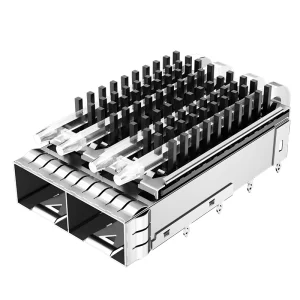
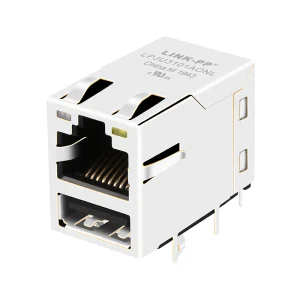
Our OEM services include customizing firmware protocols for test limits, allowing customers to toggle between TIA-568.2-D standards and custom, tighter internal manufacturing tolerances. Furthermore, we develop modular physical adapter plates that handle unique form factors, such as low-profile vertical SMT jacks, multi-port ganged configurations (like our 1x2 and 2xN SFP cages), or USB 3.0/RJ45 hybrid combo connectors. We integrate automated test-log upload systems to cloud databases via embedded SFP modules, helping plant managers achieve real-time statistical process control (SPC) on the production floor.
Founded in 2016, Zyqora Optical Technologies Co., Ltd. is a professional manufacturer and supplier of high-performance optical transceivers and fiber connectivity solutions for global data center, telecom, enterprise network, and cloud computing applications. With a modern production facility covering 386 square meters, Zyqora specializes in the design, development, manufacturing, and testing of optical communication products, including SFP, SFP+, SFP28, QSFP28, QSFP-DD, OSFP, AOC, and DAC solutions. Our products are engineered to deliver reliable performance, scalability, and seamless compatibility with mainstream networking platforms.
Over the years, Zyqora has established a strong international presence, achieving annual export revenue exceeding USD 18 million. Backed by 8 years of export experience and 10 years of industry expertise, we serve customers across North America, Europe, Southeast Asia, the Middle East, and Latin America.
Quality is at the core of everything we do. Our manufacturing process is supported by comprehensive quality assurance procedures, including incoming material inspection, optical performance testing, aging tests, compatibility verification, and final product inspection. A dedicated team of 42 quality control professionals ensures that every product meets international standards and customer expectations.
As a company with both manufacturing and international trading capabilities, Zyqora has built a reliable supply network with more than 860 supply chain partners, enabling efficient sourcing, stable production, and flexible delivery schedules.
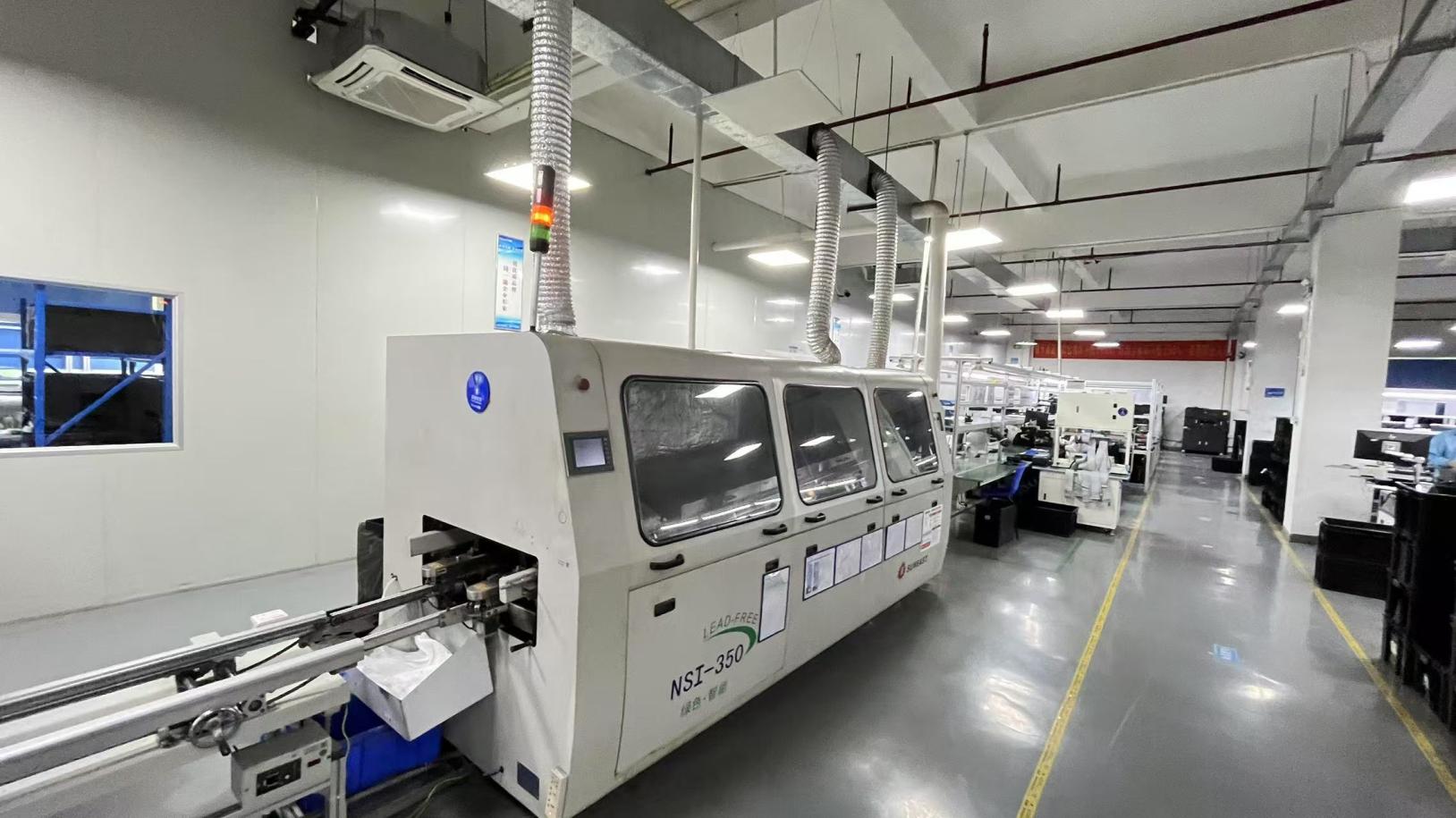
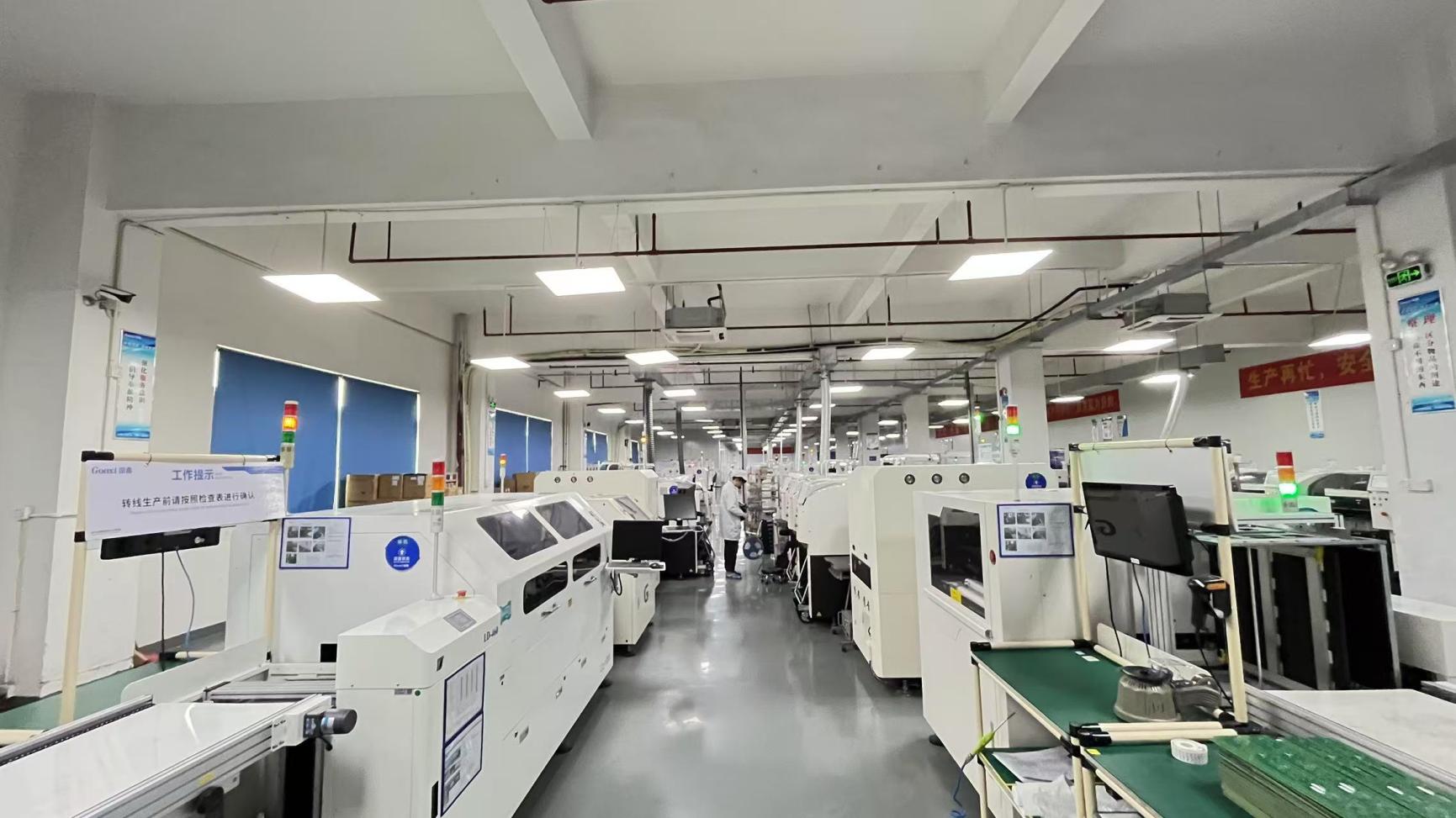

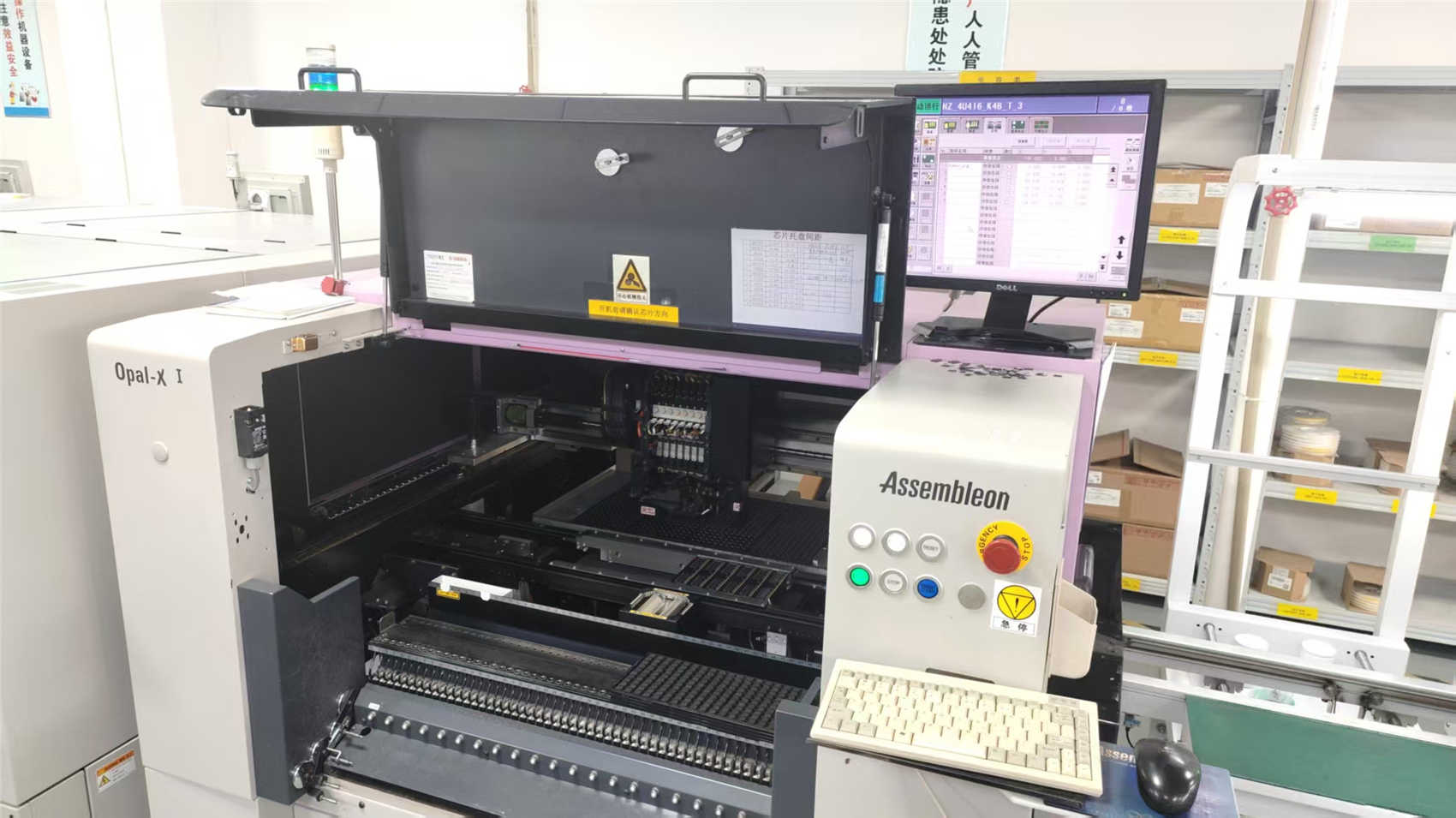
Industrial networking buyers look to China for manufacturing due to the country's comprehensive electronics supply chain ecosystem. The concentration of component producers, silicon vendors, raw material suppliers, and plating facilities allows Chinese factories to dramatically compress R&D-to-production cycles. For example, last year Zyqora launched 168 new customized products, an innovation rate that is difficult to sustain without a highly responsive localized supply network (composed of our 860+ trusted partners).
Moreover, Chinese manufacturing offers superior economies of scale. Sourcing RJ45 connector testers from an integrated manufacturer and exporter ensures that the testing equipment itself is calibrated against real-world connector variance. By gathering massive datasets on contact wear, latch mechanism fatigue, and copper purity directly from Chinese automated assembly lines, we refine the testing algorithms in our instrumentation. This loop results in diagnostic equipment that is less sensitive to ambient noise and provides higher repeatability (Gauge R&R) than testers built by standalone instrumentation firms without direct connector manufacturing experience.
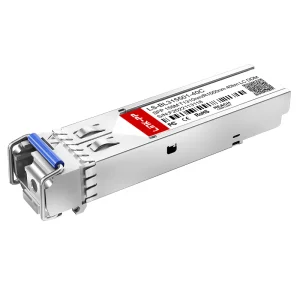
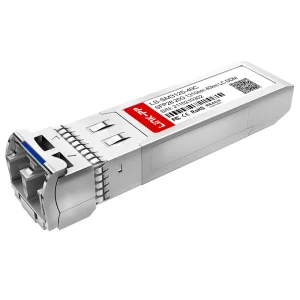
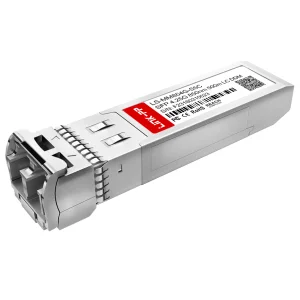
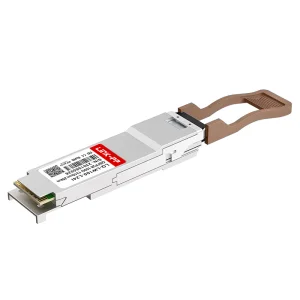
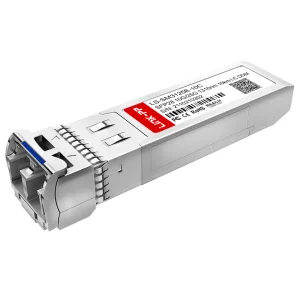
As corporate IT frameworks move toward hybrid architectures that mix multi-gigabit Ethernet with high-speed fiber interfaces (such as our *SMF 1310nm 25G SFP28 40km Transceiver* or *Industrial 100G QSFP28 Modules*), the boundaries between copper testing and optical testing are beginning to blur. The following four macro trends shape the design requirements of next-generation RJ45 testing equipment:
Understanding the final deployment environment of RJ45 cabling systems helps us tailor the tester parameters. Different markets and applications require distinct diagnostic criteria:
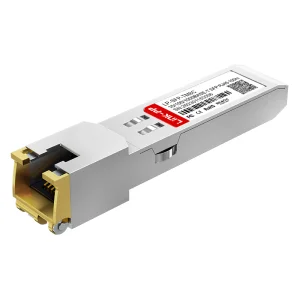
On production floors utilizing industrial Ethernet protocols like EtherCAT or PROFINET, connectors face extreme mechanical vibrations and electromagnetic interference. Tester designs in this space prioritize checking the shield continuity and verifying compatibility with industrial transceivers like our *MOXA SFP-1GTXRJ45-T Compatible Copper SFP*.
With thousands of connections routed through top-of-rack (ToR) switches, speed and batch-testing automation are essential. Operators require multi-channel test fixtures capable of scanning 12 to 24 patch panels simultaneously, with direct APIs to populate data center infrastructure management (DCIM) tools.
Salty air and high humidity accelerate corrosion on the gold-plated pins of RJ45 jacks. Testing in these scenarios requires contact resistance sweeps at micro-ohm resolutions to detect degradation before it impacts operations.
Explore our high-speed single-mode and multi-mode SFP28/QSFP28 optical transceivers and modular SMT Ethernet ports.