Zyqora
Zyqora
Zyqora
High-performance optical transceivers, RJ45 connectors, and transformers deployed in enterprise WAP backhauls and access switches.
Exploring how Wi-Fi 7 (802.11be), multi-gigabit copper Ethernet, and optical fiber backhauls are reshaping enterprise WLAN systems.
With the release of Wi-Fi 7 (802.11be) offering bandwidths up to 46 Gbps, legacy 1G copper uplinks have become bottlenecks. Modern Wireless Access Points demand 2.5G, 5G, and 10G Base-T connections, or direct SFP+ optical interfaces to manage dense client networks and ultra-low latencies.
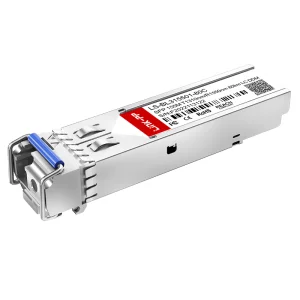
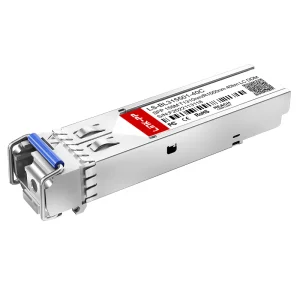
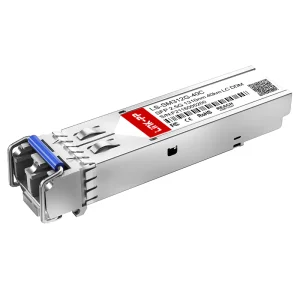
Fiber-to-the-Access-Point (FTTAP) is replacing long copper runs in multi-floor offices, high-interference manufacturing halls, and outdoor venues. Integrating optical transceivers directly into the Access Point ensures lossless data transmission over distances exceeding 100 meters.
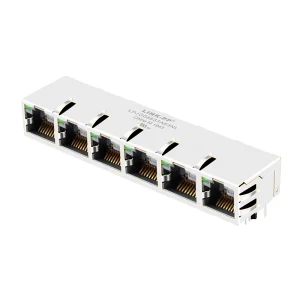
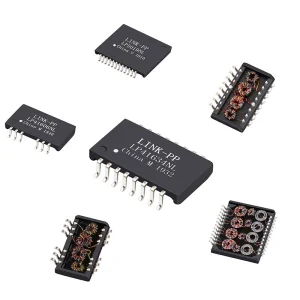
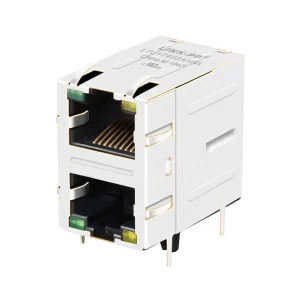
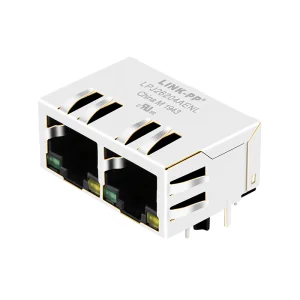
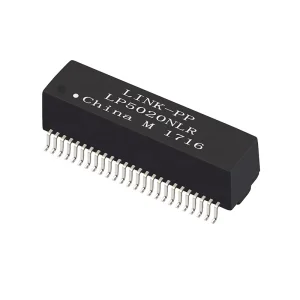
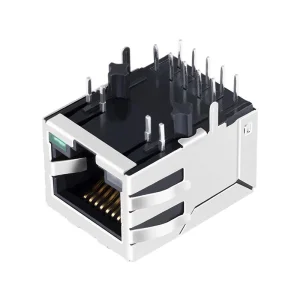
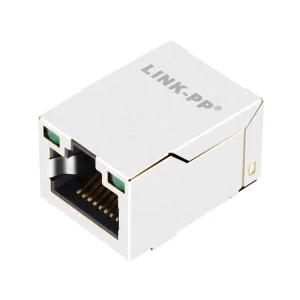
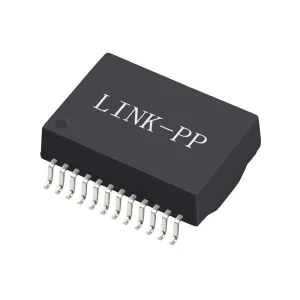
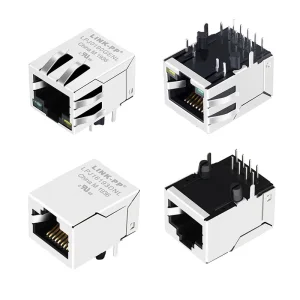
As data rates increase, high-density RJ45 connectors require specialized integrated magnetic transformers to suppress Electromagnetic Interference (EMI), combat crosstalk, and provide isolation to protect delicate PHY chips from voltage surges.
Global procurement teams targeting high-end networks prioritize structural reliability, interoperability, and scalability. Whether building corporate campuses, smart warehouses, or telecom infrastructure, purchasing managers require components that operate seamlessly under variable environmental stresses. Standardizing optical and copper interfaces ensures that hardware deployed in North America, Europe, or the Middle East satisfies strict electrical regulations, signal integrity limits, and multi-vendor compatibility protocols.
By sourcing from factories that control the component-level supply chain (from transceivers to magnetic transformers), buyers minimize risks of cross-layer incompatibility and eliminate assembly bottlenecks. This structural oversight guarantees that high-speed access points perform up to their specified data rates without experiencing intermittent packet loss or performance degradation over long-term operations.
How integrated component manufacturing and massive supply networks optimize production lead times and lower unit costs.
The capability to supply global markets with robust optical transceivers (SFP, QSFP28, OSFP) and magnetic connectors relies heavily on the vertical integration of the supply chain. China's advanced manufacturing clusters combine raw component extrusion, precision semiconductor packaging, automatic testing, and packaging under single regional hubs.
This clustering enables rapid prototyping and adaptation to new standards, such as transitioning from 10G interfaces to 25G and 100G transceivers or optimizing RJ45 magnetic circuits for higher Power-over-Ethernet (PoE++ / IEEE 802.3bt) requirements. By utilizing extensive component ecosystems, factories can buffer against global chip shortage disruptions, offering predictable lead times and reliable volume delivery.
Founded in 2016, Zyqora Optical Technologies Co., Ltd. is a professional manufacturer and supplier of high-performance optical transceivers and fiber connectivity solutions for global data center, telecom, enterprise network, and cloud computing applications.
With a modern production facility covering 386 square meters, Zyqora specializes in the design, development, manufacturing, and testing of optical communication products, including SFP, SFP+, SFP28, QSFP28, QSFP-DD, OSFP, AOC, and DAC solutions. Our products are engineered to deliver reliable performance, scalability, and seamless compatibility with mainstream networking platforms.
Quality is at the core of everything we do. Our manufacturing process is supported by comprehensive quality assurance procedures, including incoming material inspection, optical performance testing, aging tests, compatibility verification, and final product inspection. A dedicated team of 42 quality control professionals ensures that every product meets international standards and customer expectations.
As a company with both manufacturing and international trading capabilities, Zyqora has built a reliable supply network with more than 860 supply chain partners, enabling efficient sourcing, stable production, and flexible delivery schedules. Our R&D department consists of 65 experienced engineers specializing in optical communication technologies, high-speed transmission systems, and network interoperability solutions. Through continuous innovation and strict quality management, Zyqora remains committed to providing cost-effective, reliable, and future-ready optical networking products for customers around the world.
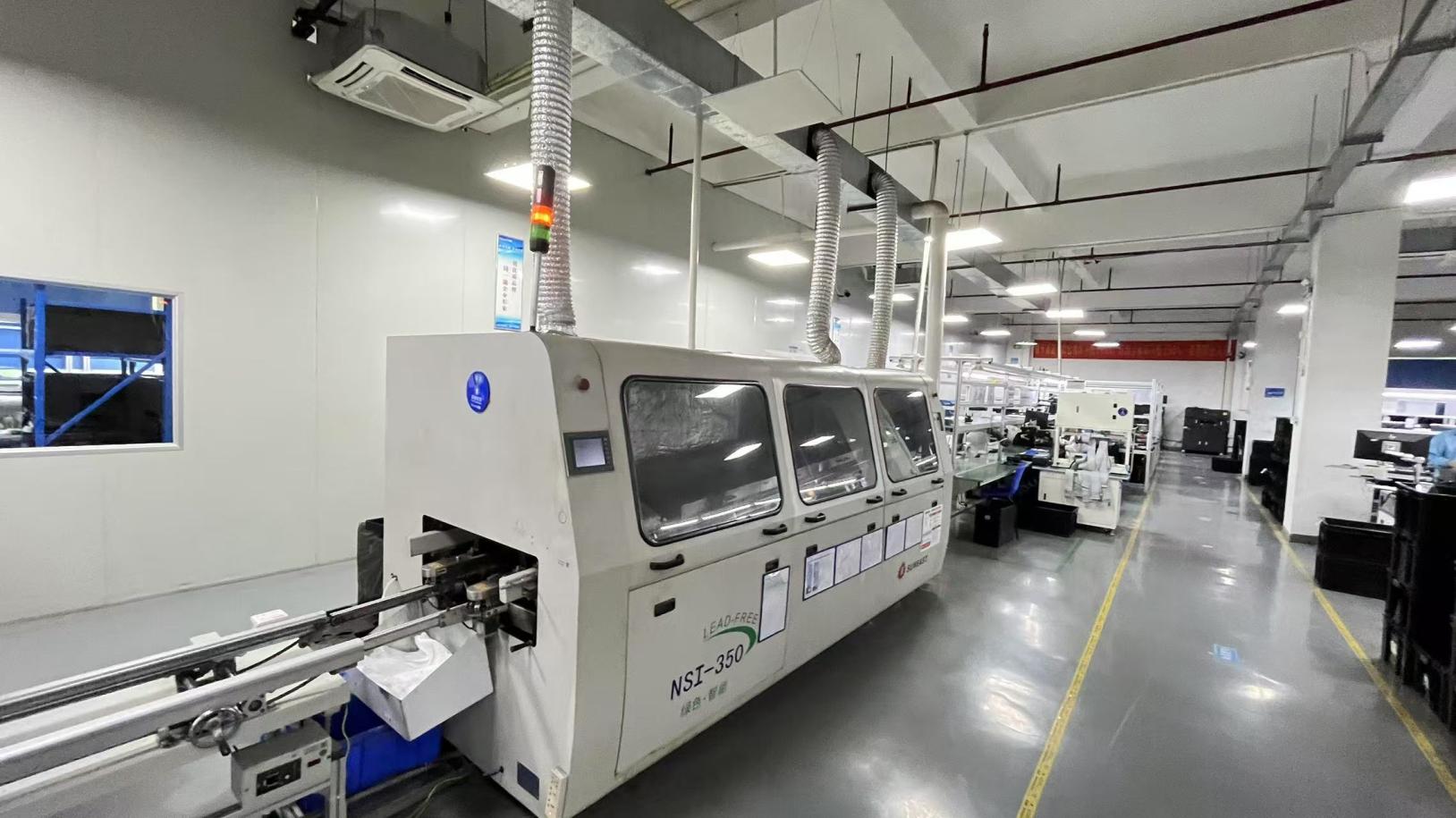
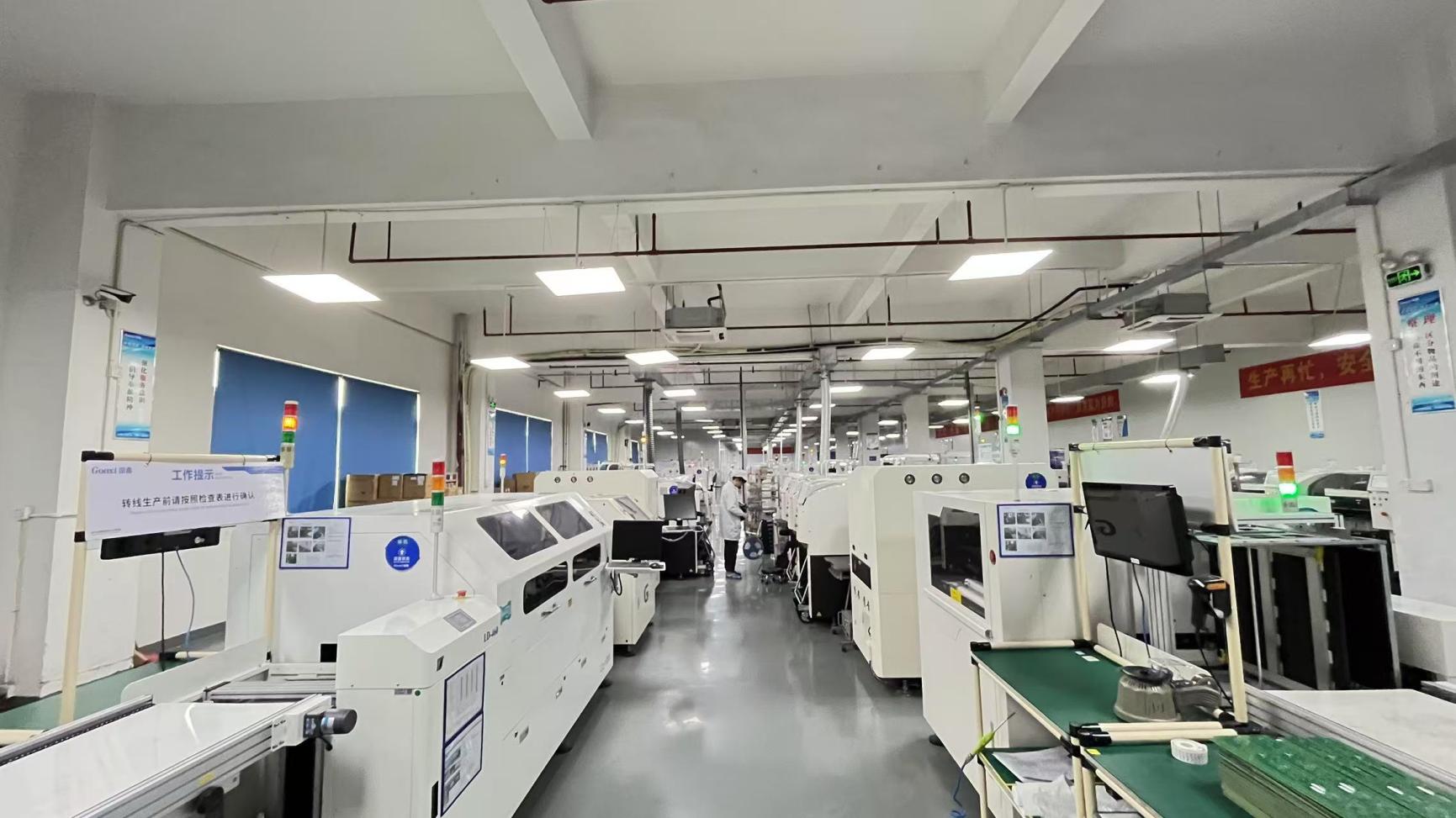

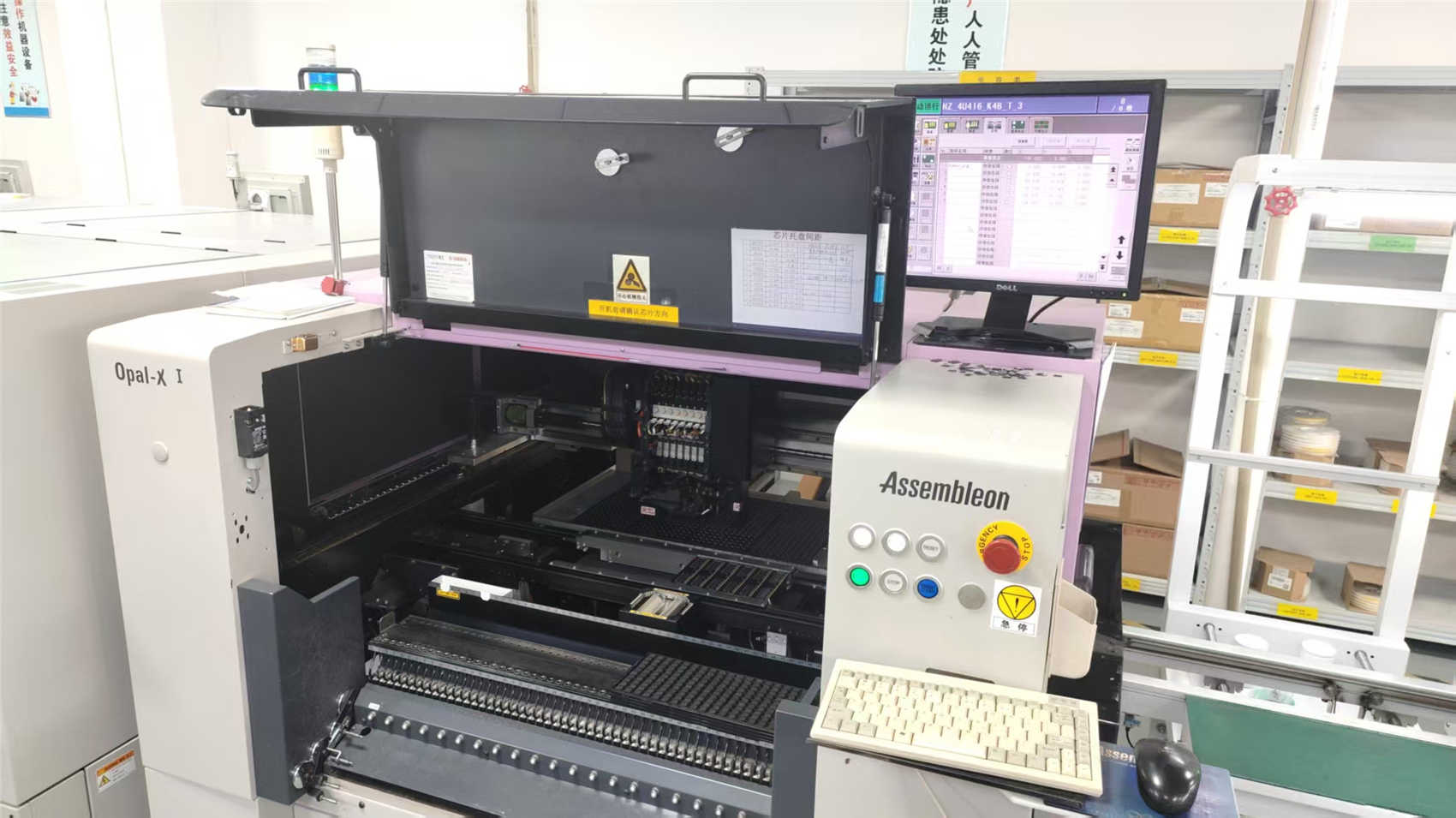
Zyqora offers comprehensive OEM and ODM services, including customized labeling, firmware coding, packaging design, and product specification development to support evolving market demands.
Deploying robust fiber and copper interfaces across critical high-density infrastructure sectors.
Corporate campuses require seamless handovers and low latency for video conferencing. Utilizing 2.5G/5G RJ45 connectors with integrated magnetics enables high-wattage PoE++ to feed Wi-Fi 6E/7 Access Points, maintaining reliable data paths without separate power cables.
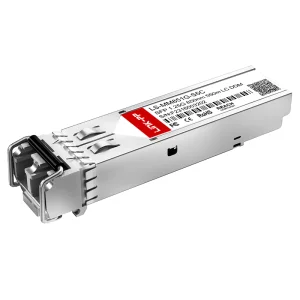
Factories exhibit severe electrical noise from heavy machinery. Optical fiber transceivers (SFP/SFP+) coupled with heavily shielded RJ45 sockets ensure data integrity is kept intact, providing electrical isolation that eliminates ground loops and noise propagation.
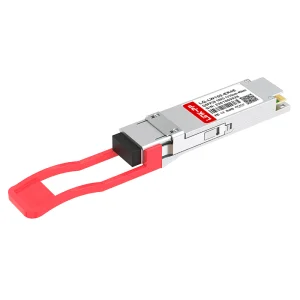
For high-throughput storage networks and cloud environments, 100G QSFP28 modules and high-speed DAC solutions connect distribution switches to core optical grids, guaranteeing sustained bandwidth and minimal optical attenuation.
Resolving technical queries concerning component integration, signal integrity, and manufacturing compliance.
A: Integrated magnetics (or MagJacks) perform crucial tasks: they offer galvanic isolation (meeting IEEE 802.3 requirements), suppress common-mode noise, and filter electromagnetic interference (EMI). In multi-gigabit configurations (2.5G/5G/10G), signal-to-noise ratio requirements are extremely strict. Without high-grade magnetics, high-frequency signals degrade quickly, leading to packet drops, reduced range, and failure to meet FCC/CE emission limits.
A: Transceiver compatibility is governed by the firmware coded onto the module's EEPROM. Different network equipment manufacturers use proprietary encryption and signature checks. Zyqora's R&D team maintains an extensive compatibility matrix database and utilizes hardware coding jigs to write system-specific firmware, ensuring our SFP, SFP+, and QSFP28 modules are recognized and operate flawlessly with systems from Cisco, HPE Aruba, Juniper, and other major vendors.
A: High-performance WAPs (especially Wi-Fi 6E and Wi-Fi 7) require higher power input, often calling for PoE+ (30W) or PoE++ (up to 60W or 90W). LAN transformers must be designed with magnetic cores that can handle the DC bias current without saturating. Saturation reduces the transformer's inductance, leading to signal distortion. Sourcing transformers rated specifically for PoE+ and PoE++ currents is essential to prevent system instability.
A: Single-mode fiber uses a narrow core (typically 9µm) that allows light to travel in a single path, minimizing modal dispersion. This enables transmissions over vast distances (up to 40km or 80km, as seen in our Bidi and ER4 QSFP28 modules) without signal degradation. Multi-mode fiber, with its wider core, suffers from modal dispersion, limiting high-speed links to shorter distances (typically under 550 meters for 1G, and much shorter for 100G).
A: Our 42 QC professionals implement a comprehensive 5-step quality workflow: 1) Incoming Quality Control (IQC) inspects raw semiconductor packages, PCBs, and mechanical cages. 2) In-process Quality Control (IPQC) monitors optical sub-assembly alignment. 3) 100% optical performance testing checks launch power and receiver sensitivity. 4) Accelerated aging tests under elevated temperature profiles expose early-life failures. 5) Final compatibility verification tests performance against the destination network switch.
High-precision mechanical cages, RJ45 ports, and low-latency transceivers for robust hardware deployment.