Zyqora
Zyqora
Zyqora
Engineered for signal integrity, thermal dissipation, and long-term mechanical reliability in demanding enterprise environments.
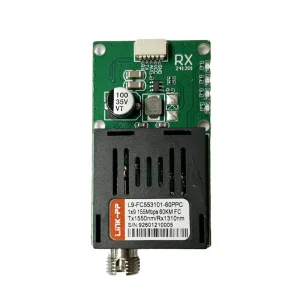
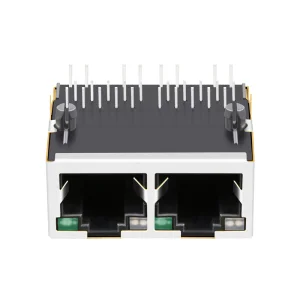
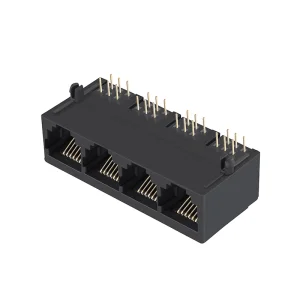
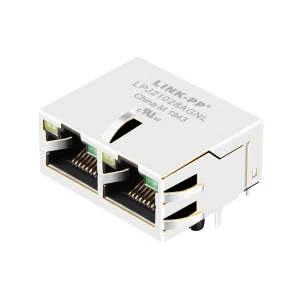
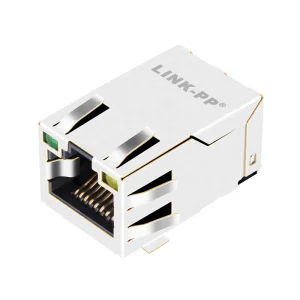
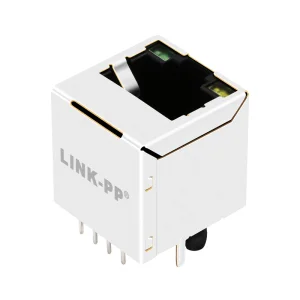
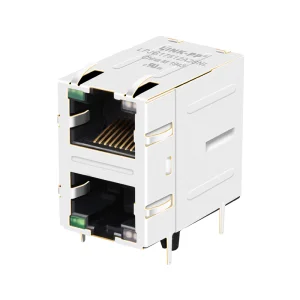
In high-density networking environments, spatial conservation is critical. The duplex RJ45 connector—commonly referred to in industrial engineering as the stacked 2-port or ganged RJ45 modular jack—serves as the foundational physical interface facilitating dual Ethernet connections within a single, integrated footprint. As global infrastructure transitions towards IoT integration, edge computing, and multi-gigabit speeds, these components are no longer simple plastic jacks. They are sophisticated, shielded, and often magnetically isolated components essential for mitigating electromagnetic interference (EMI) and maintaining signal integrity.
Today's network architectures require hardware that supports both high-speed data transmission and Power over Ethernet (PoE/PoE+/PoE++). Consequently, the global procurement of duplex RJ45 connectors has evolved from a commoditized transaction into a specialized engineering assessment. Buyers must evaluate factors such as gold plating thickness on contacts, housing thermal ratings, and integrated magnetics (MagJacks) that filter noise and protect PHY transceivers from voltage spikes.
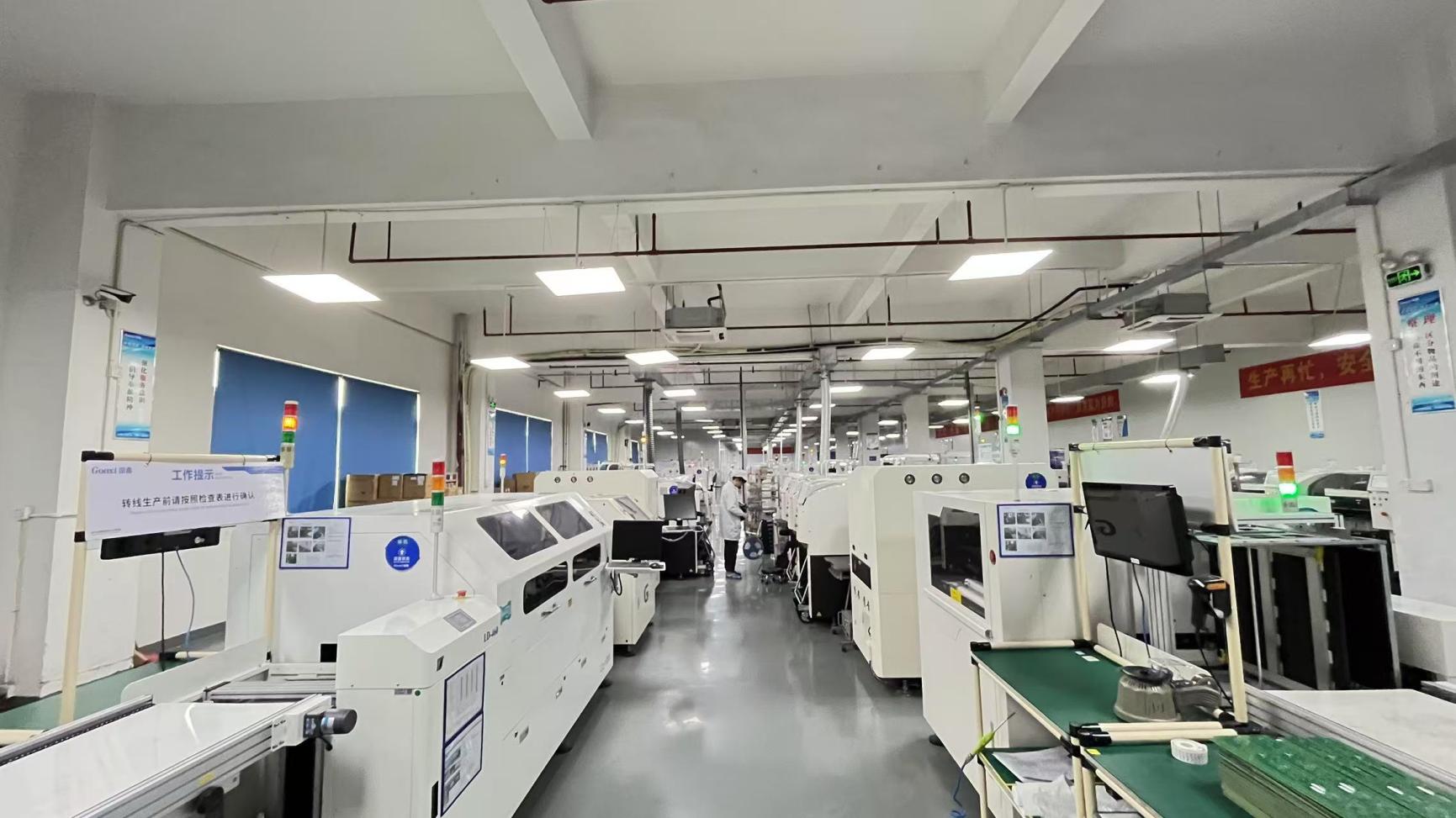
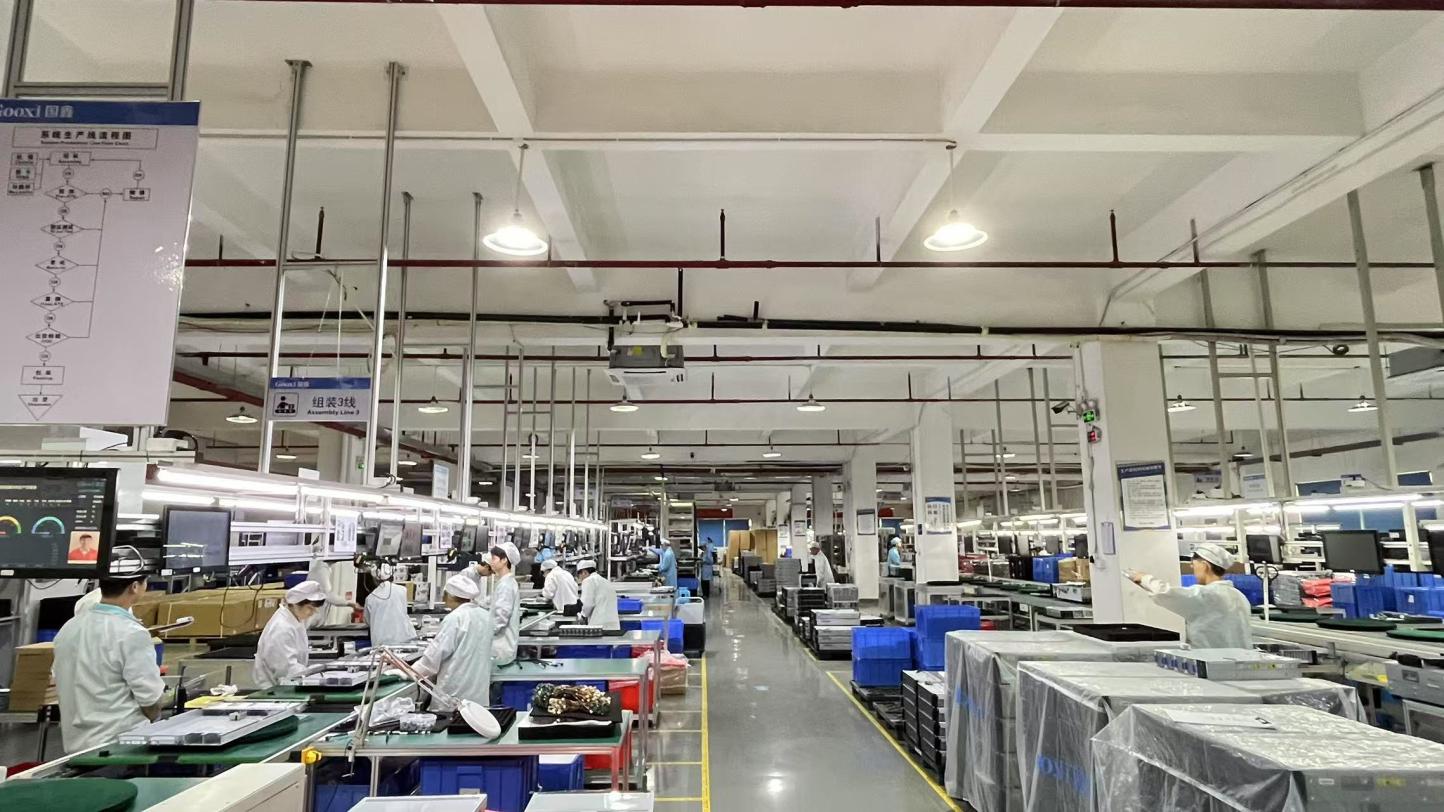
China's dominance in the global connector supply chain is built on vertical integration and localized engineering clusters. The country's top manufacturing plants, located primarily in the Guangdong and Zhejiang provinces, have evolved from basic assembly facilities into advanced centers of material science and automated precision engineering.
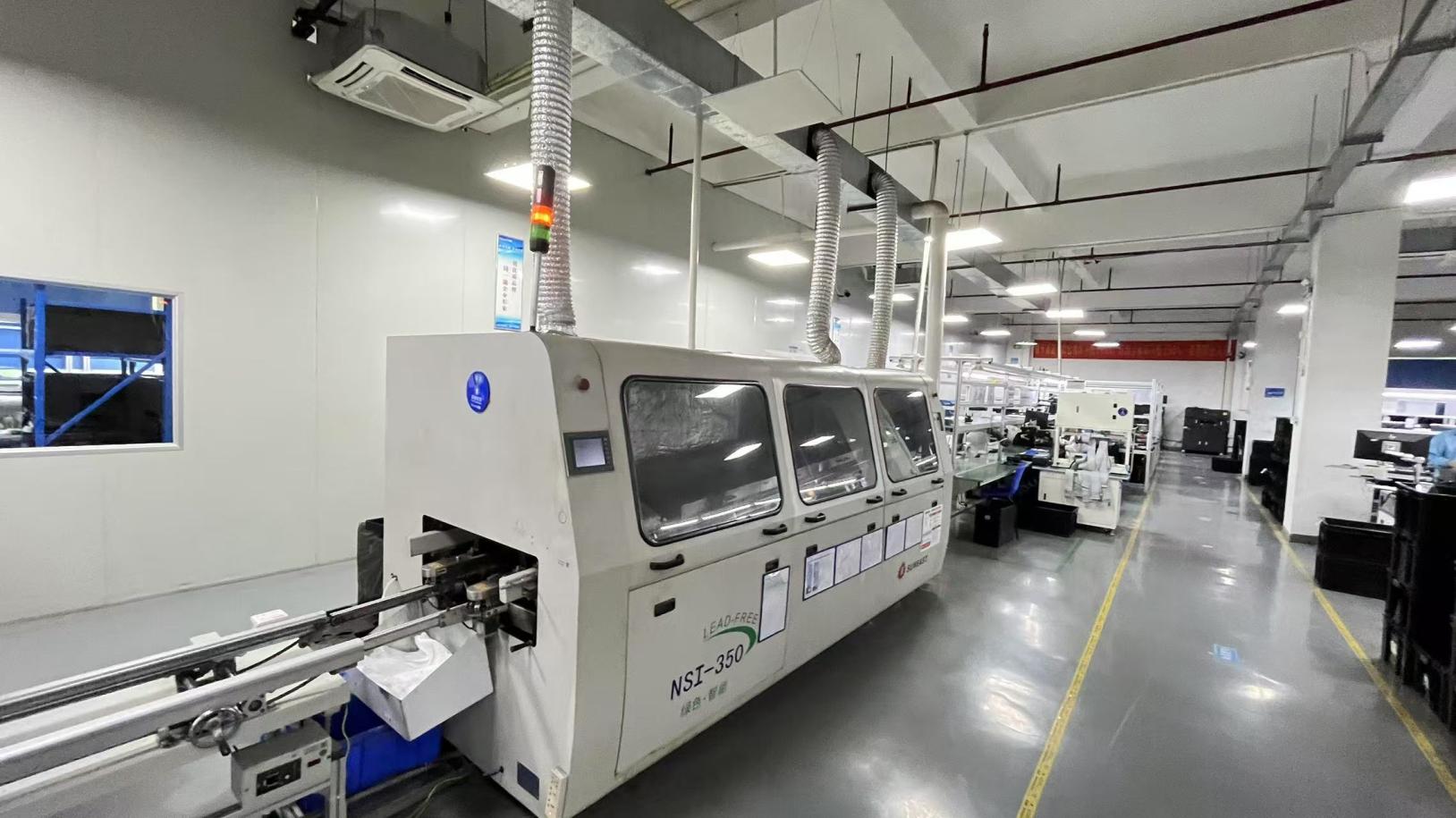
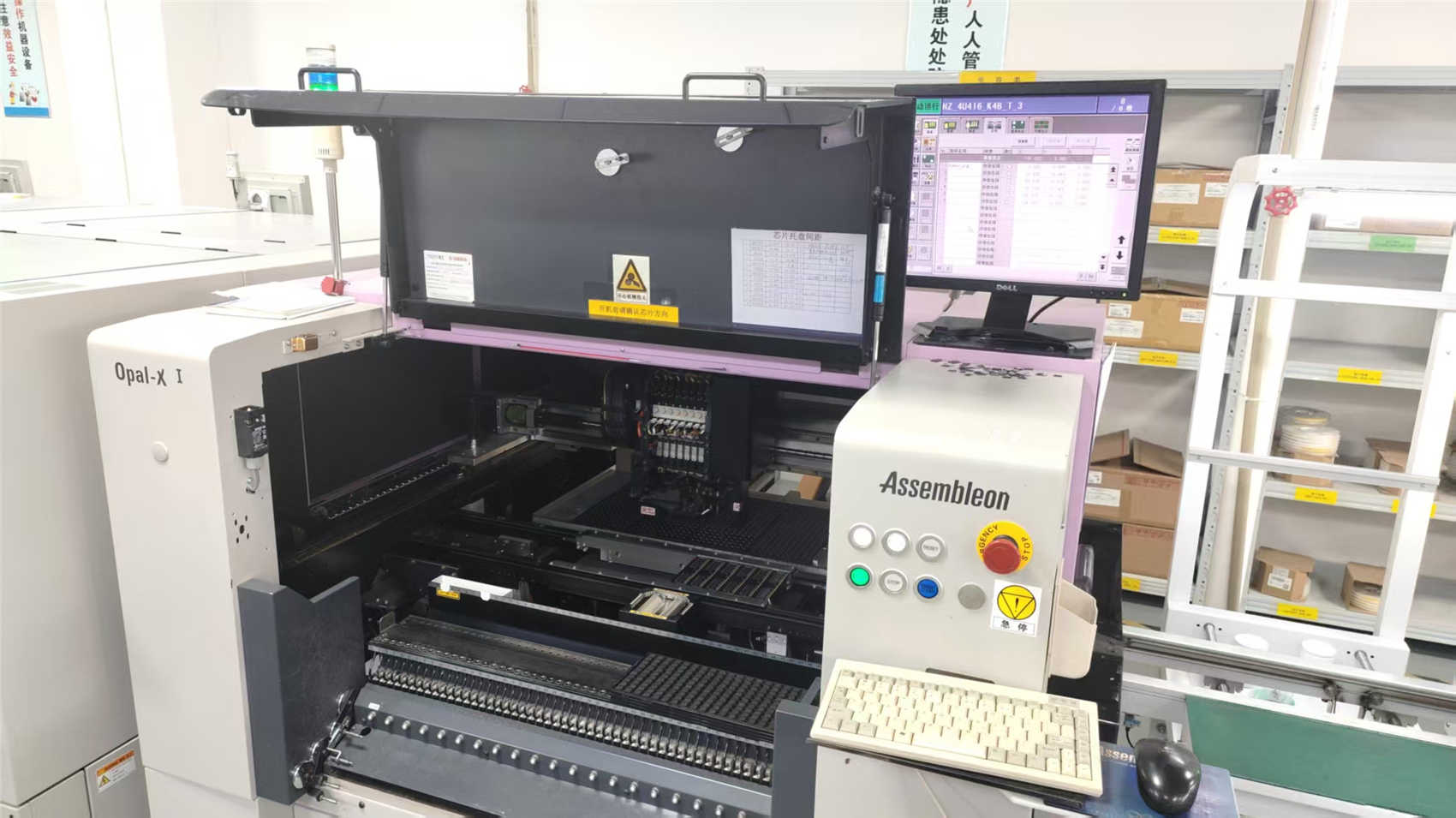
Advanced factories utilize high-speed progressive stamping dies and sub-micron tolerance injection molding. This ensures that the structural geometry of the duplex RJ45 housing meets standards for coplanarity and pin spacing, preventing insertion failures in field deployments.
Employing Automated Optical Inspection (AOI) and 3D X-ray systems to scan pin alignment, solder paste consistency, and magnetic coil winding homogeneity. This reduces defect rates below 50 PPM (Parts Per Million), crucial for high-reliability telecom equipment.
By grouping raw material suppliers—including specialized copper alloys for spring pins, high-temperature engineering plastics like LCP, and raw ferrite cores—factories achieve unmatched lead-time flexibility and production speed.
For international procurement teams, partnering directly with a qualified Chinese OEM/ODM factory like Zyqora provides access to custom configuration paths. This includes specifying shield grounding tab styles (tab-up/tab-down), LED color options, and transformer schematics configured for specific physical-layer (PHY) silicon platforms.
Founded in 2016, Zyqora Optical Technologies Co., Ltd. is a professional manufacturer and supplier of high-performance optical transceivers, fiber connectivity solutions, and copper networking components for data centers, telecom, enterprise networks, and cloud computing architectures globally.
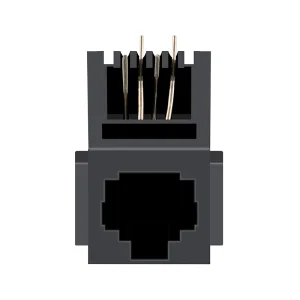
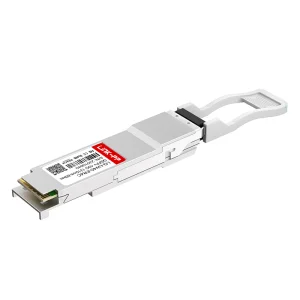
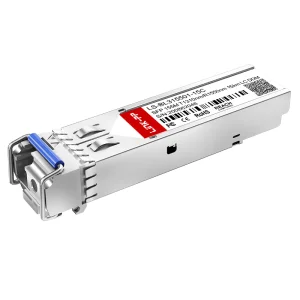
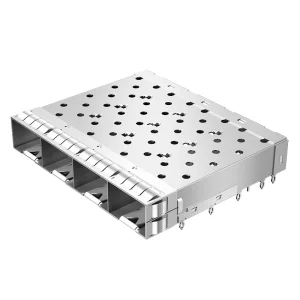
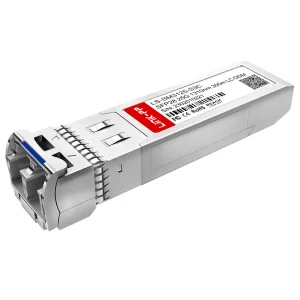
Operating a modern production facility, Zyqora specializes in the design, engineering, and manufacturing of communication products, including SFP, SFP+, SFP28, QSFP28, QSFP-DD, OSFP, AOC, DAC, and high-performance modular jacks like the duplex RJ45 and RJ11 series. Our products are engineered for compatibility with mainstream network equipment brands, ensuring interoperability in mixed-vendor environments.
With an international market presence, Zyqora generates over USD 18 million in annual export revenue, backed by 8 years of direct export experience and a decade of manufacturing history. We serve network operators, system integrators, and distributors across Europe, North America, Southeast Asia, and the Middle East.
Quality control is central to our production philosophy. Zyqora's quality management system enforces incoming material verification, high-frequency signal integrity analysis, thermal cycling, environmental testing (RoHS and REACH compliance), and final optical/electrical validation. Our R&D team continuously designs and releases new hardware to match changing networking standards, introducing 168 new product variations last year alone. Through our OEM/ODM services, customers can customize firmware, configure port layouts, design custom shielding, and optimize magnetic parameters to resolve EMI challenges.
Duplex RJ45 connectors are designed for dense deployment scenarios where printed circuit board (PCB) surface area is limited. Unlike standard single-port jacks, stacked duplex configurations require specific structural designs to operate effectively under electrical and thermal stress.
In smart manufacturing environments, Programmable Logic Controllers (PLCs) and industrial gateways use duplex RJ45 jacks for daisy-chain Ethernet topologies. These components require robust EMI shielding and mechanical stability to withstand constant high-frequency vibration and voltage spikes common in factory settings.
Outdoor telecom installations face environmental challenges, including wide temperature swings and moisture. Duplex connectors designed for these environments use high-temperature housing materials (such as LCP) to prevent plastic degradation during reflow soldering and standard operation.
Enterprise core switches demand high port densities. Utilizing 2-port or stacked ganged RJ45 configurations allows network hardware manufacturers to double the local port density without increasing the switch's rack unit height (1U), facilitating efficient cable management in server racks.
With smart building systems expanding, duplex RJ45 connectors route power and data to smart LED panels. To manage thermal buildup inside the connector core under PoE++ loads (delivering up to 90W), manufacturers optimize copper pin designs to minimize contact resistance.
As the Ethernet standard evolves from 1G Base-T to 2.5G, 5G, and 10G Base-T, the electrical specifications of duplex RJ45 connectors must adapt. High frequencies require strict control over internal crosstalk and return loss within the connector body.
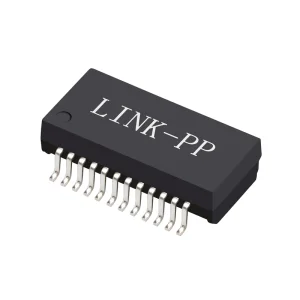
1. Multi-Gigabit Magnetic Optimization: Integrated magnetics must be designed to handle higher signal frequencies without introducing phase errors. Standard wire-wound transformers are transitioning toward automated machine winding, ensuring consistent performance at speeds up to 10Gbps.
2. Reflow Assembly Compatibility: Reflow-compatible Through-Hole Reflow (THR) or Pin-in-Paste (PIP) technologies are replacing wave soldering for connector assembly. This shift allows manufacturers to process complex duplex connectors in a single SMT pass, lowering manufacturing costs and improving solder joint quality.
3. Advanced EMI Shielding Materials: Zinc alloy die-cast covers and nickel-plated copper shields are replacing thin brass plates to improve EMI suppression. This provides better shielding against external interference, particularly in high-density installations next to high-speed fiber transceivers.
To assist engineering and procurement teams in evaluating manufacturing partners, Zyqora recommends auditing the following parameters when sourcing duplex RJ45 connectors:
Technical clarifications regarding performance, electrical specifications, and manufacturing options.
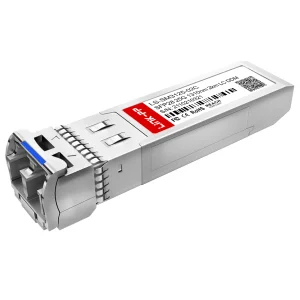
Explore our full line of SFP transceivers, single-port jacks, and magnetic transformers designed to integrate with modern networking systems.