Zyqora
Zyqora
Zyqora
Premium High-Density Interconnect Solutions Tailored for Toronto's Enterprise Datacenters & Edge Networking Infrastructures
As the primary financial and technological driver of Canada, the Greater Toronto Area (GTA)—stretching from Markham's enterprise clusters to the industrial warehouses of Mississauga—is undergoing a rapid infrastructure evolution. The proliferation of localized edge computing facilities, high-performance financial systems, and industrial IoT (IIoT) platforms demands physical-layer interconnect systems that drastically reduce space while guaranteeing uninterrupted transmission rates.
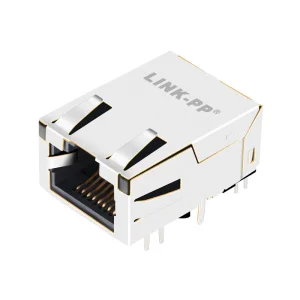
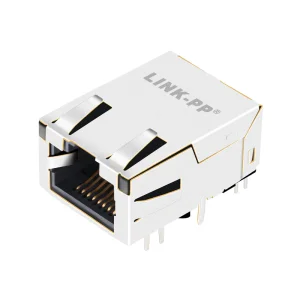
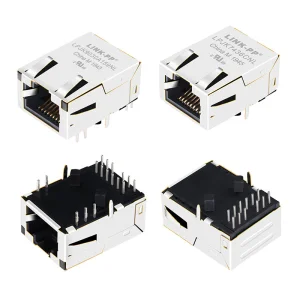
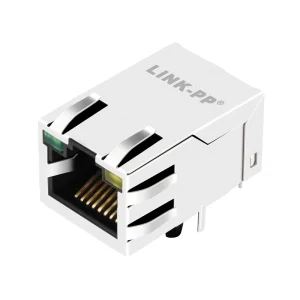
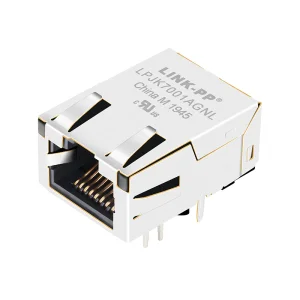
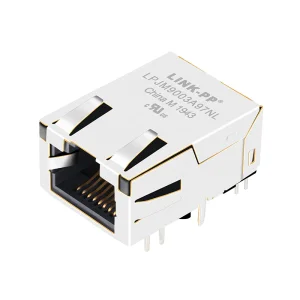
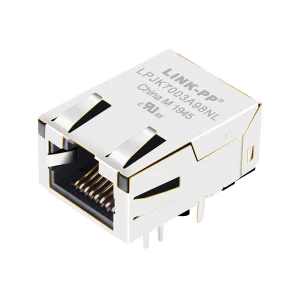
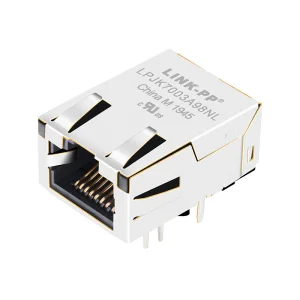
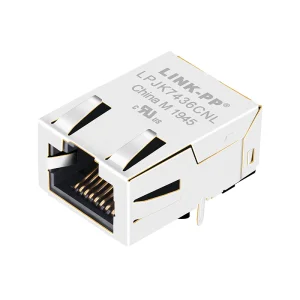
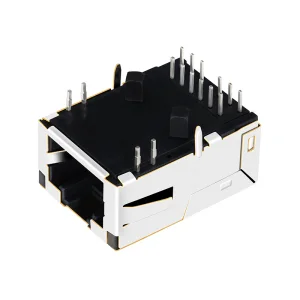
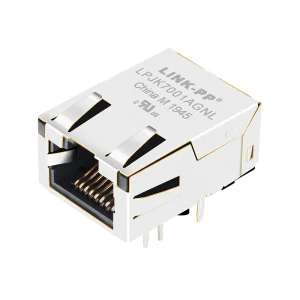
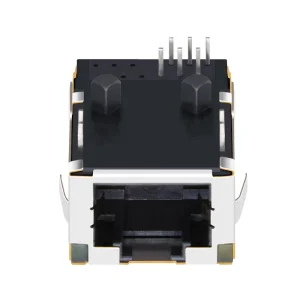
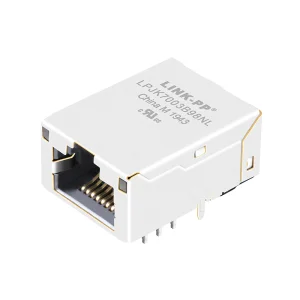
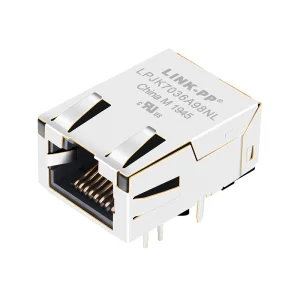
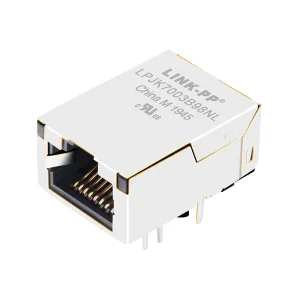
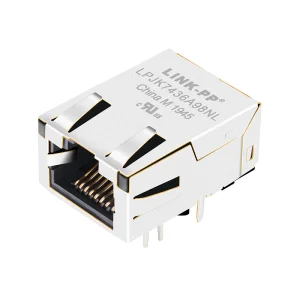
Within high-density server configurations, standard-height RJ45 modular jacks present mechanical limitations. The vertical space within 1U, blade, and micro-servers is exceptionally tight. Standard connectors (typically 13.5mm to 16.5mm high) restrict natural ventilation pathways and limit the vertical space available for secondary components. This has led to the adoption of Low Profile RJ45 Connectors (ranging from 11.5mm down to 8.5mm), designed to maximize vertical airflow and streamline circuit density.
Critical for decentralized edge gateways deployed across Ontario's smart transit systems and retail logistical warehouses.
Slim profile profiles ensure low aerodynamic restriction, maximizing convection and cooling efficiency inside compact chassis enclosures.
| Design Metric | Standard RJ45 Specifications | Low Profile (Integrated Magnetics) Specifications | Impact on System Architecture |
|---|---|---|---|
| Component Height | 13.5 mm to 16.5 mm | 8.5 mm to 11.5 mm | Enables 1U server chassis layout compatibility; leaves ample space for daughterboards. |
| Bandwidth Rates | 10/100 Mbps to 1 Gbps | Gigabit Ethernet up to 10G Base-T | Supports high-throughput workloads required by AI edge platforms and storage nodes. |
| Magnetics Integration | Often discrete components | Fully integrated (MagJack configuration) | Reduces PCB footprint, shields internal physical layer (PHY), and minimizes noise. |
| Isolation Voltage | Up to 1.5 kV AC | 2.0 kV AC (conforming to IEEE 802.3) | Protects networking devices against high common-mode surges and transient voltage spikes. |
| Gold Plating Density | 6u" to 30u" | Up to 50u" (Selectable options) | Resists oxide formation and ensures minimum contact resistance over hundreds of insertion cycles. |
Our low-profile connectors incorporate a robust brass alloy shield with nickel underplating. This design acts as a Faraday cage to eliminate cross-talk and ambient RF leakage, ensuring stable performance in dense signal environments.
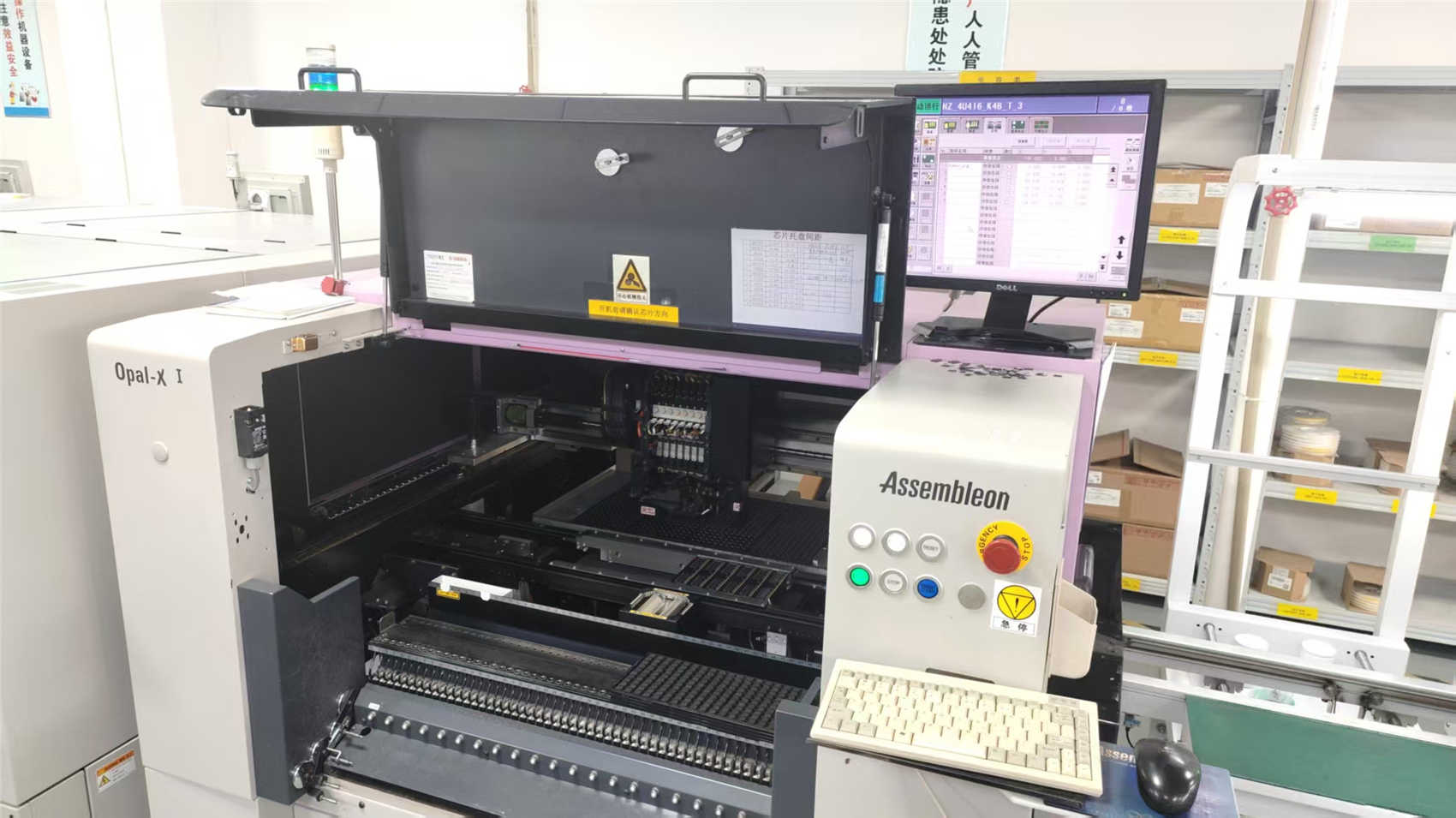
For modern surface-mount technology (SMT) and pick-and-place lines, lead coplanarity is maintained at a maximum of 0.1mm. This eliminates dry joints and poor solder connections during standard reflow processes.
Engineered to support Power over Ethernet protocols (IEEE 802.3af/at/bt). Designed with optimized wire winding structures to prevent magnetic core saturation under load currents of up to 1A per pair.
For systems integrators and enterprise buyers, procurement risk is linked to supply chain stability. We mitigate lead-time and shipping bottlenecks by offering structured stocking programs and customized distribution frameworks.
Our logistics channel utilizes cargo links into Toronto Pearson Airport (YYZ) and local logistics centers in Ontario. This ensures that custom orders transition from production to your assembly line without unexpected customs or shipping delays.
Modern networking relies on hybrid infrastructures. Optical fibers handle long-distance backbone distribution, while copper interfaces manage local connections and endpoint power delivery.
Our engineering ecosystem links high-bandwidth SFP/QSFP optical transceiver technology with reliable, low-profile copper modular jacks. This integration ensures that signal transitions between copper and fiber media maintain high integrity, minimal latencies, and low thermal profiles within compact architectures.
Whether routing signals within a 1U top-of-rack data center switch or structuring a localized automation hub, our integrated components deliver reliable physical layer performance.
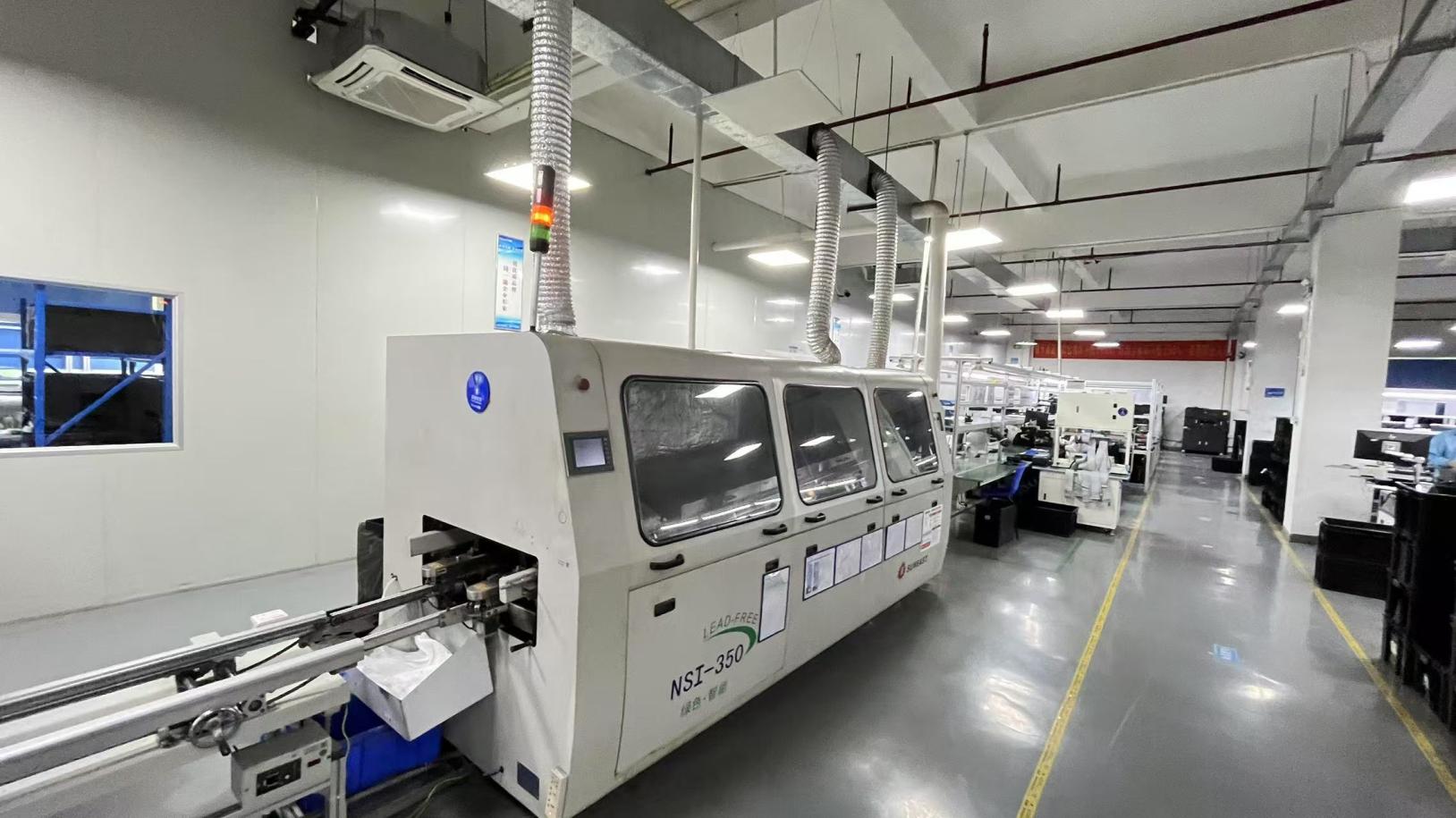
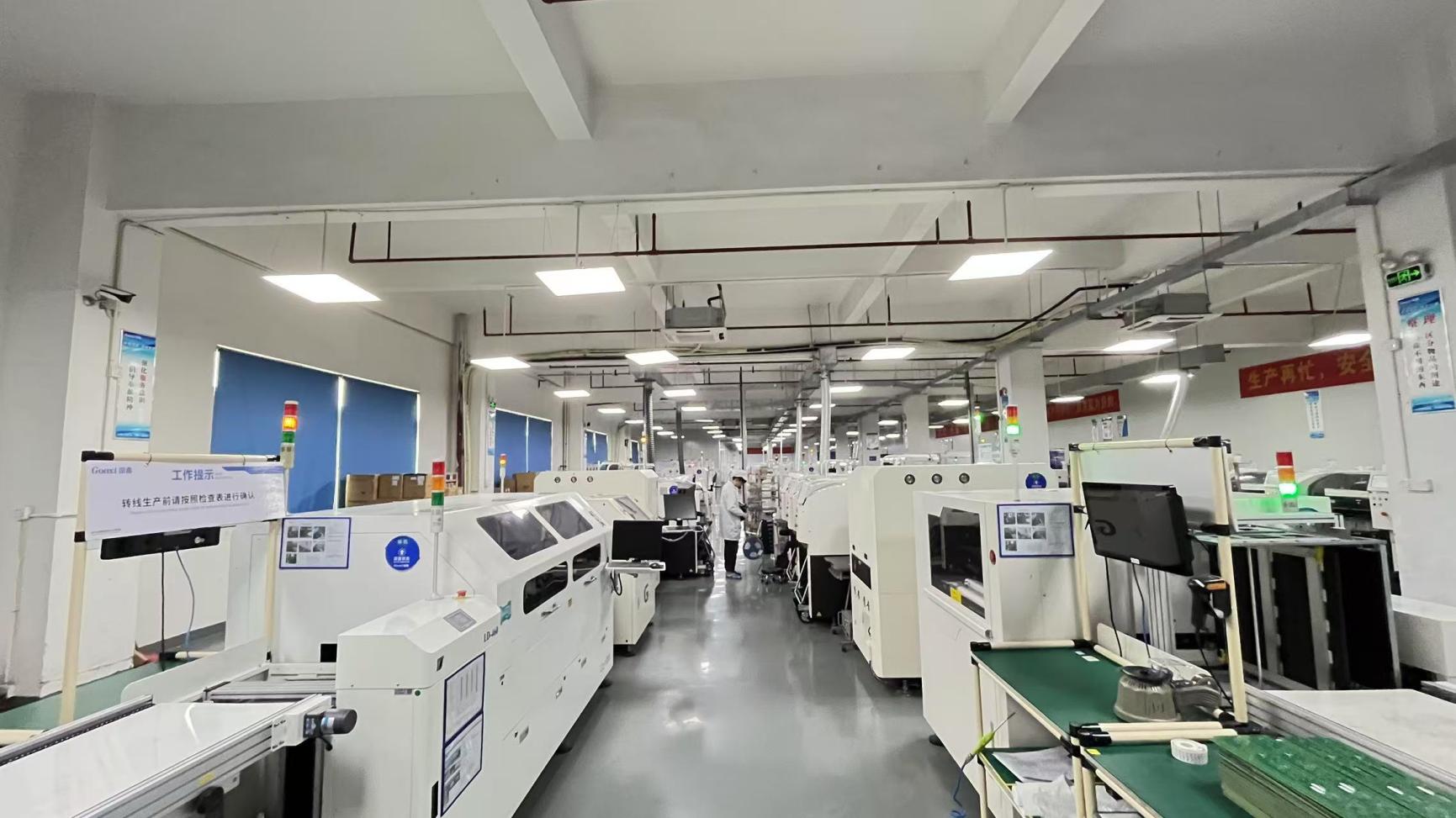
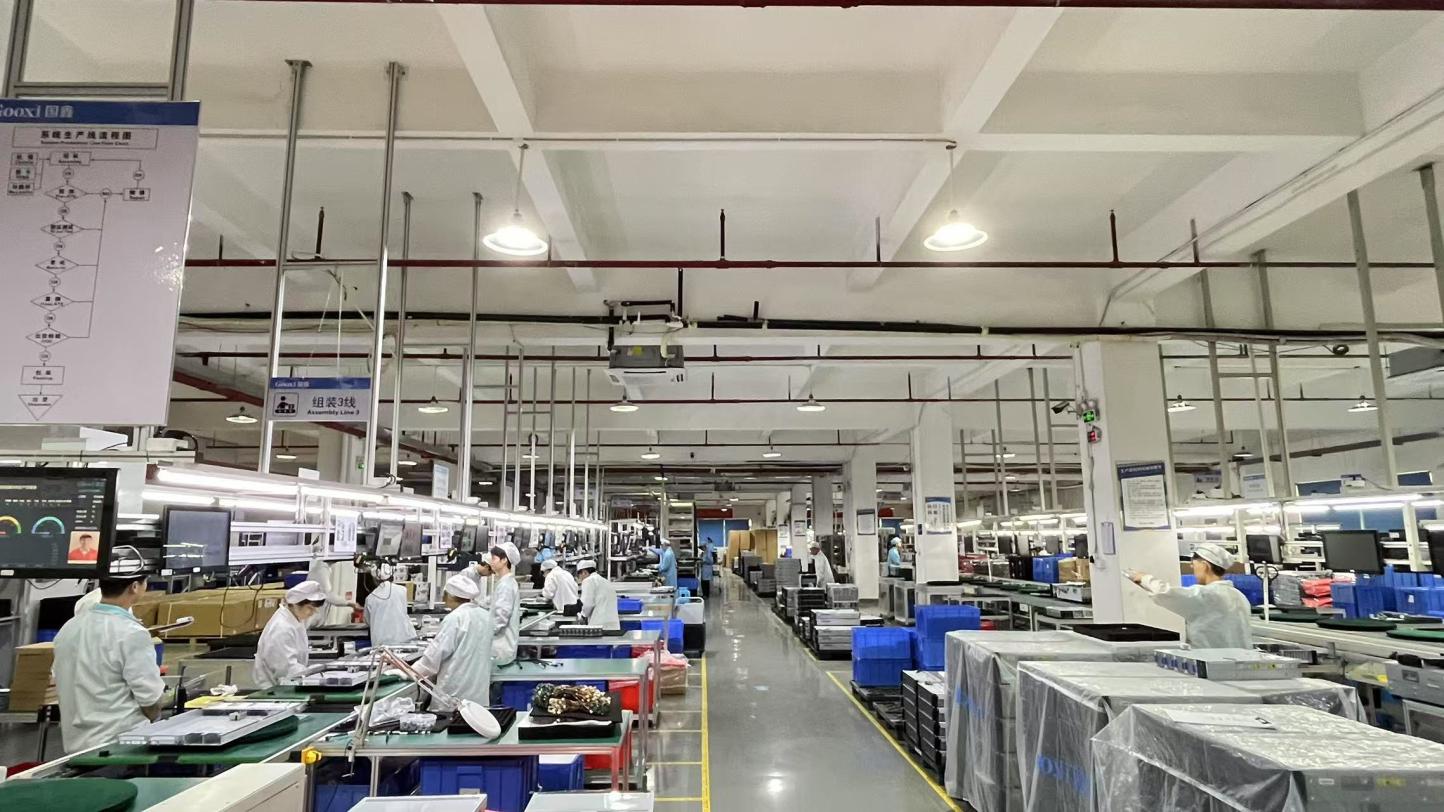
Founded in 2016, Zyqora Optical Technologies Co., Ltd. is a professional manufacturer and supplier of high-performance optical transceivers and fiber connectivity solutions for global data center, telecom, enterprise network, and cloud computing applications.
With a modern production facility covering 386 square meters, Zyqora specializes in the design, development, manufacturing, and testing of optical communication products, including SFP, SFP+, SFP28, QSFP28, QSFP-DD, OSFP, AOC, and DAC solutions. Our products are engineered to deliver reliable performance, scalability, and seamless compatibility with mainstream networking platforms.
Over the years, Zyqora has established a strong international presence, achieving annual export revenue exceeding USD 18 million. Backed by 8 years of export experience and 10 years of industry expertise, we serve customers across North America, Europe, Southeast Asia, the Middle East, and Latin America.
Quality is at the core of everything we do. Our manufacturing process is supported by comprehensive quality assurance procedures, including incoming material inspection, optical performance testing, aging tests, compatibility verification, and final product inspection. A dedicated team of 42 quality control professionals ensures that every product meets international standards and customer expectations.
As a company with both manufacturing and international trading capabilities, Zyqora has built a reliable supply network with more than 860 supply chain partners, enabling efficient sourcing, stable production, and flexible delivery schedules.
Our primary customers include telecom operators, data center providers, system integrators, network equipment distributors, and enterprise IT solution providers worldwide. To support evolving market demands, we maintain a strong research and development team focused on innovation and product optimization.
Zyqora offers comprehensive OEM and ODM services, including customized labeling, firmware coding, packaging design, and product specification development. Last year alone, the company successfully launched 168 new products to meet the growing requirements of next-generation network infrastructures.
Our R&D department consists of 65 experienced engineers specializing in optical communication technologies, high-speed transmission systems, and network interoperability solutions. Through continuous innovation and strict quality management, Zyqora remains committed to providing cost-effective, reliable, and future-ready optical networking products for customers around the world.
Zyqora – Connecting Networks with Speed, Reliability, and Innovation.
Every production batch undergoes strict isolation, return loss, and crosstalk testing prior to shipping.
Custom LED layouts, mechanical footprints, and shielding structures tailored to your specifications.
Supported by 65 R&D specialists ready to resolve complex PCB layout and design challenges.
Reliable logistics partnerships provide quick delivery options to enterprise hubs across the GTA.
Standard RJ45 connectors restrict vertical clearance inside low-profile 1U enclosures. Adopting low-profile configurations (under 11.5mm) increases vertical spacing by 15-25%. This path minimizes airflow impedance, preventing hot spots and allowing adjacent capacitors and processors to operate cooler.
Integrated magnetics (MagJacks) combine filtering components (isolation transformers, common-mode chokes, and capacitors) within the connector shell. This consolidation reduces PCB space, improves EMI shielding by positioning filters close to the physical port, and simplifies circuit layout design.
For applications subject to vibration or frequent reconnects, a 50 micro-inch (50u") gold plating thickness is recommended. This plating protects contacts against surface degradation and maintains a low-resistance path across hundreds of mating cycles.
Yes. Specific models in our catalog are designed to meet Cat6A performance parameters. They feature internal shielding structures and crosstalk cancellation designs to maintain signal integrity at 10 Gbps speeds over copper connections.
Tab orientation dictates latch placement. A Tab-Up layout allows easy disconnection from above, while Tab-Down designs position the release latch underneath. The choice depends on your PCB layout and chassis opening configuration.
Our connectors are manufactured with high-temperature materials (like Liquid Crystal Polymer) rated for operating environments from -40°C to +85°C. This stability prevents physical distortion or signal degradation during seasonal thermal transitions.
Contact our engineering support team for product datasheets, 3D STEP files, and custom bulk pricing schedules tailored to your development requirements.
Send Inquiry Now