Zyqora
Zyqora
Zyqora
The telecommunications and data processing landscapes in Mexico are undergoing a seismic transformation. Mexico City (CDMX) and its surrounding industrial corridors, notably Querétaro (often dubbed the "Querétaro Cloud Valley"), have consolidated into the primary hyperscale gateway for the Latin American market. Backed by colossal capital investments from global hyper-scalers (including AWS, Microsoft Azure, Google Cloud, ODATA, and KIO Networks), the region demands robust physical network infrastructure capable of accommodating exponential data growth.
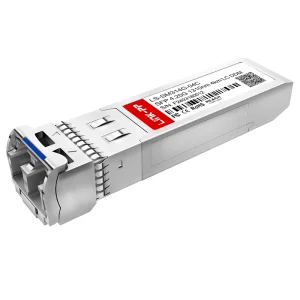
Within this ecosystem, the 40G QSFP+ (Quad Small Form-factor Pluggable Plus) module remains a foundational workhorse. While 100G and 400G interfaces are steadily deployed in new greenfield core fabrics, 40G QSFP+ transceivers are critical for distribution layers, enterprise access networks, and legacy system upgrades. By integrating 4 TX and 4 RX channels at 10 Gbps each, QSFP+ modules enable efficient bandwidth aggregation, presenting a cost-effective alternative to multi-lane migrations in complex environments.
For enterprise network engineers and industrial system integrators in Valle de México, securing a reliable supplier for these optical transceivers is crucial. Quality issues lead to packet loss, increased latency, and costly server room downtime. Partnering with certified manufacturers that support robust Quality Assurance (QA) and localized logistics is no longer a luxury—it is a baseline operational requirement.
To make informed procurement decisions, structural architecture and deployment mechanics must be analyzed. The QSFP+ module standard is governed by the SFF Committee (specifically SFF-8436), defining both physical geometry and electrical interface properties.
Depending on transmission media and loop distance requirements, several standard variants are utilized in Mexico City's data centers:
Another essential performance metric is Digital Diagnostic Monitoring (DDM) or Digital Optical Monitoring (DOM). DDM capabilities allow network administrators in Mexico City's Network Operations Centers (NOCs) to monitor parameters like real-time transceiver temperature, optical input/output power, laser bias current, and module supply voltage. This telemetry data enables predictive maintenance, preventing unexpected outages.
The physical environments of installations in central Mexico demand hardware customized for specific operating parameters:
Mexico City is situated at an elevation of over 2,240 meters. The lower atmospheric density at high altitudes reduces heat dissipation efficiency for convection-cooled network devices. Standard optical transceivers may experience accelerated thermal degradation if operating continuously in non-climate-controlled environments. Zyqora's design team optimizes transceivers to operate under expanded temperature tolerances (-40°C to +85°C for industrial grade), preventing thermal shutdown in high-altitude manufacturing and edge data locations.
The automotive and aerospace manufacturing clusters in Puebla, Querétaro, and Toluca require high-speed edge computing networks. Automated Guided Vehicles (AGVs), real-time machine-vision testing rigs, and massive IoT sensors generate large volumes of data. A 40G optical backbone using robust, EMI-shielded QSFP+ modules is vital to ensure zero-loss data streams between assembly lines and localized control centers.
Financial institutions, banking hubs, and fintech enterprises centered around Santa Fe and Paseo de la Reforma depend on sub-millisecond transaction speeds. Deploying 40G QSFP+ transceivers with high-speed switching fabrics reduces physical transmission delay, securing transactional integrity.
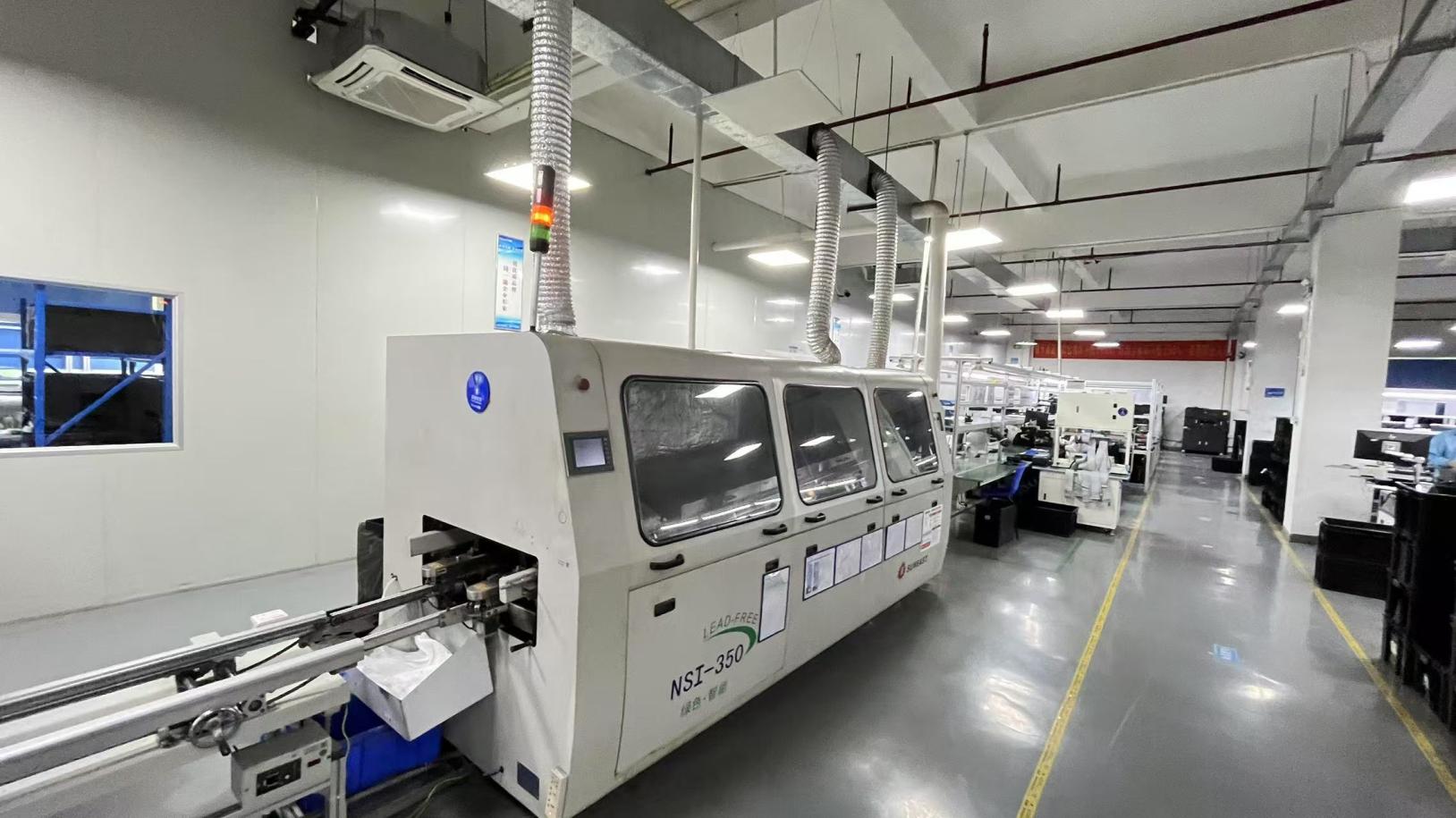
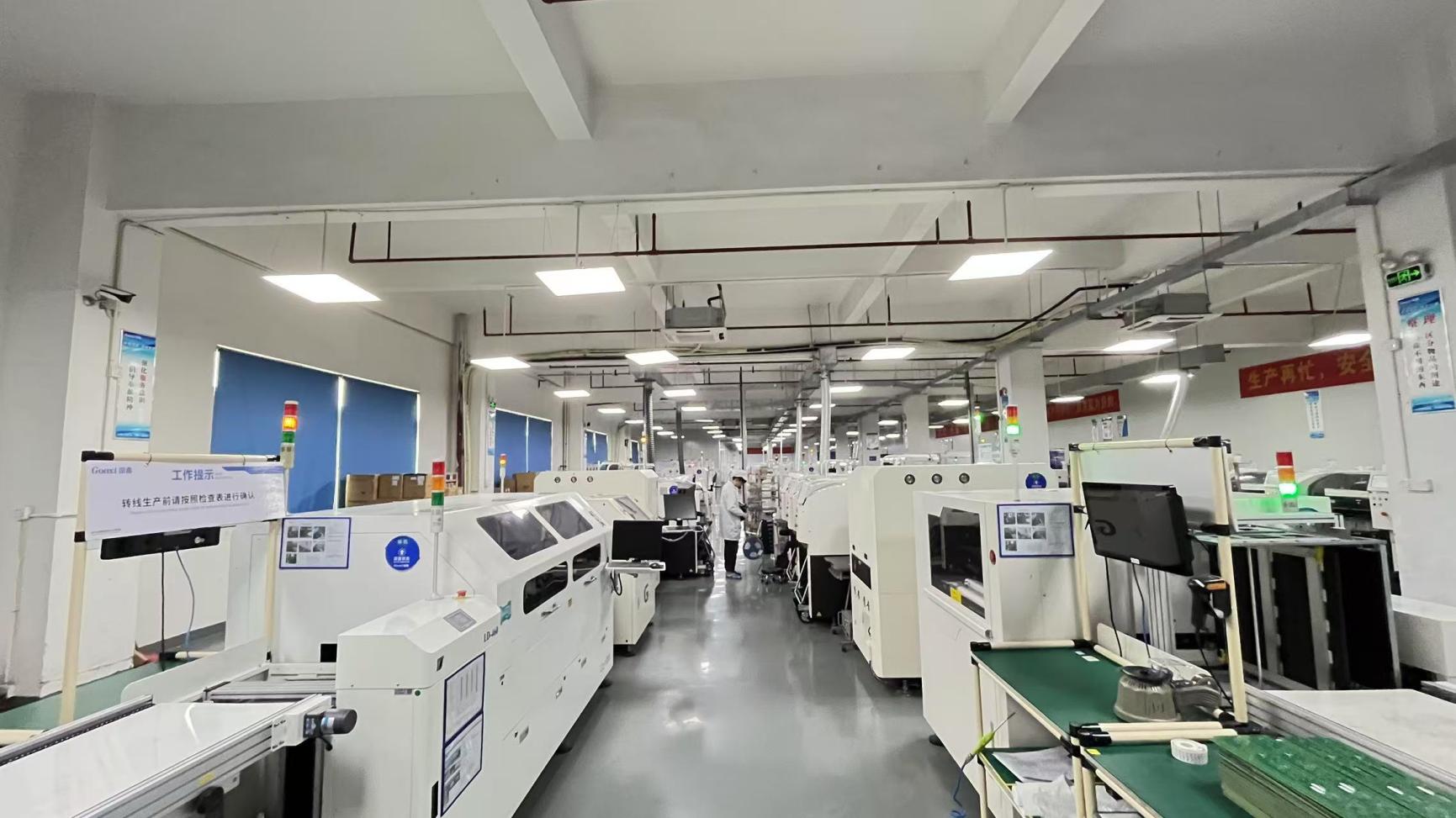
Founded in 2016, Zyqora Optical Technologies Co., Ltd. is a professional manufacturer and supplier of high-performance optical transceivers and fiber connectivity solutions for global data center, telecom, enterprise network, and cloud computing applications.
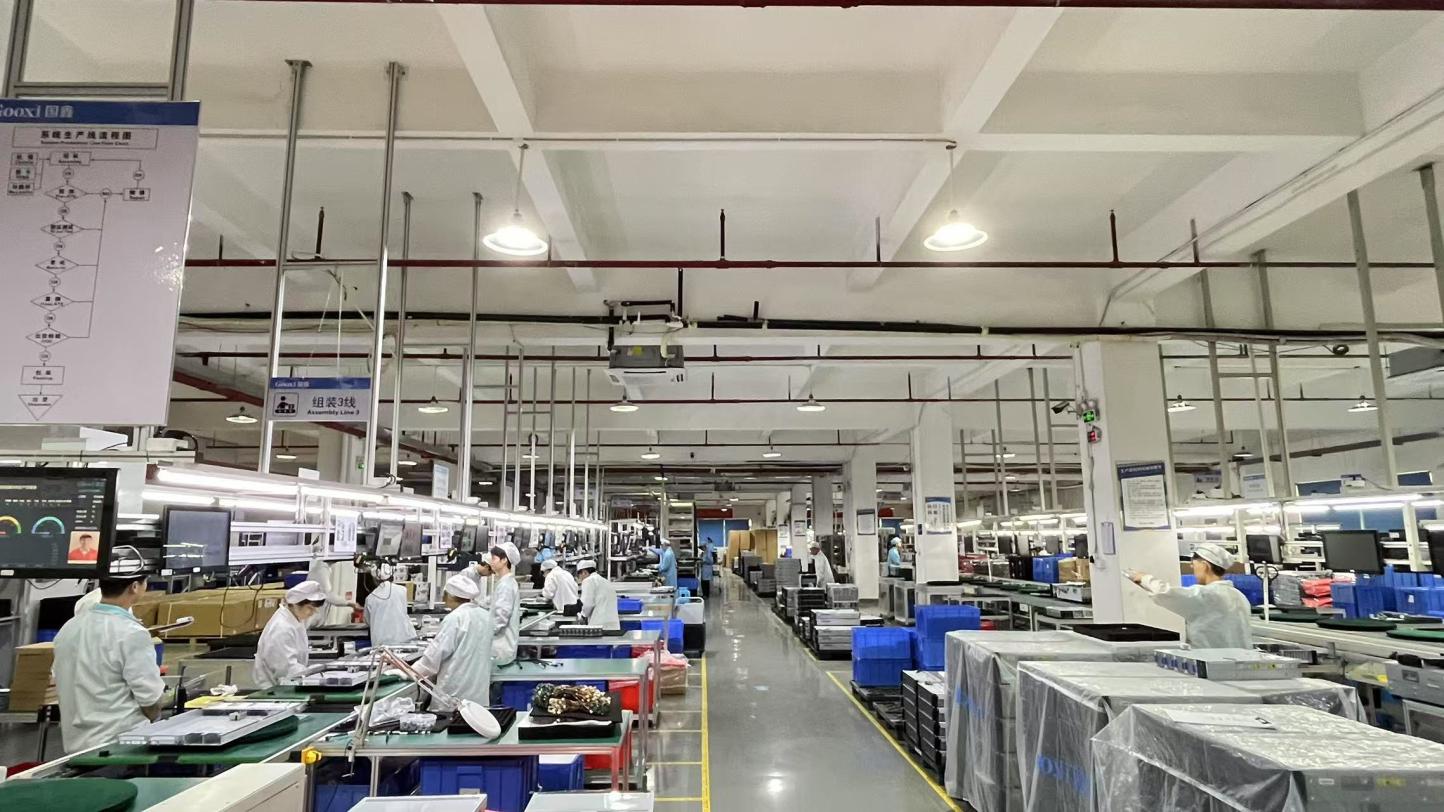
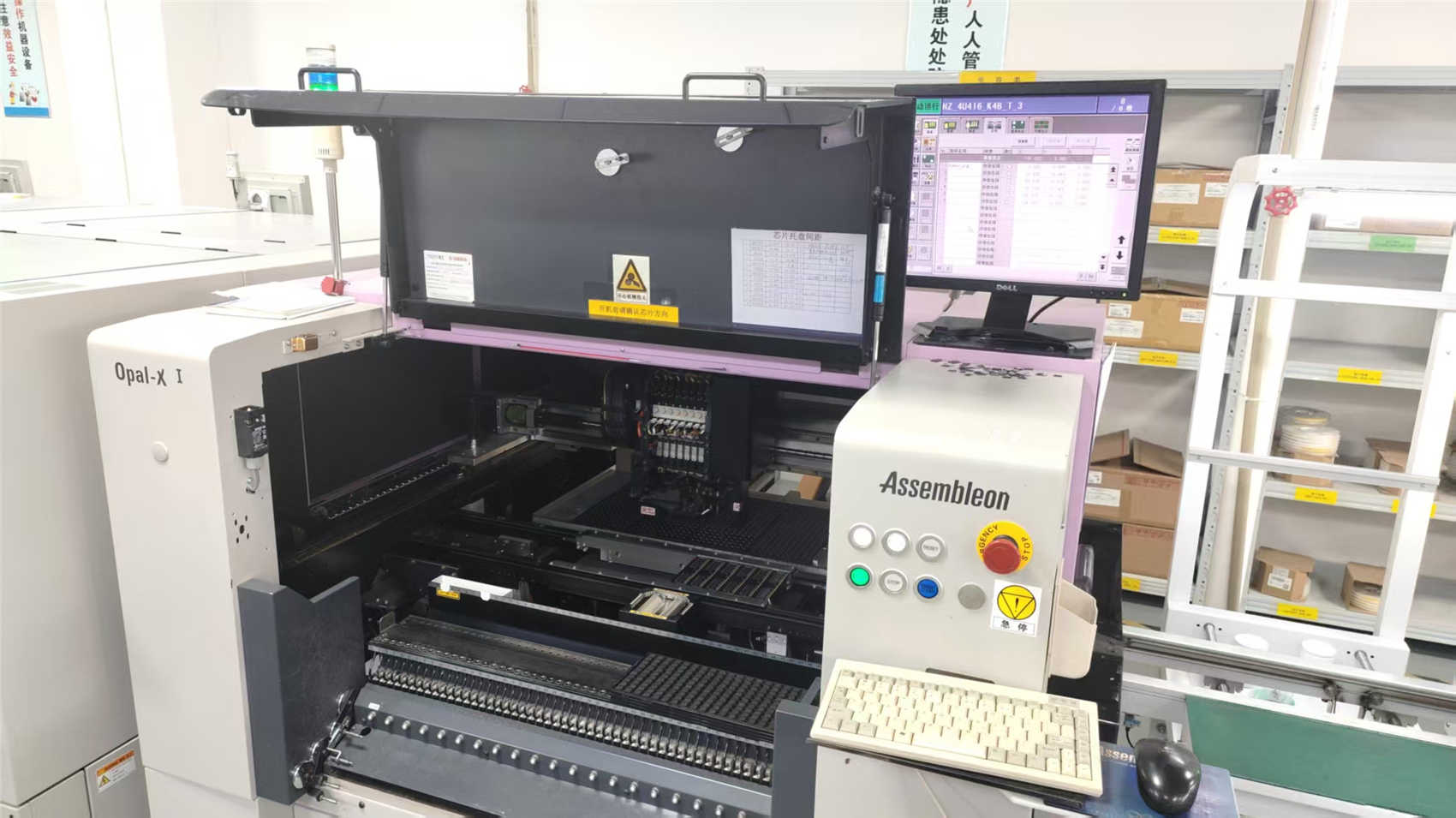
With a modern production facility covering 386 square meters, Zyqora specializes in the design, development, manufacturing, and testing of optical communication products, including SFP, SFP+, SFP28, QSFP28, QSFP-DD, OSFP, AOC, and DAC solutions. Our products are engineered to deliver reliable performance, scalability, and seamless compatibility with mainstream networking platforms.
Over the years, Zyqora has established a strong international presence, serving customers across North America, Europe, Southeast Asia, the Middle East, and Latin America. Quality is at the core of everything we do. Our manufacturing process is supported by comprehensive quality assurance procedures, including incoming material inspection, optical performance testing, aging tests, compatibility verification, and final product inspection. A dedicated team of 42 quality control professionals ensures that every product meets international standards and customer expectations.
As a company with both manufacturing and international trading capabilities, Zyqora has built a reliable supply network with more than 860 supply chain partners, enabling efficient sourcing, stable production, and flexible delivery schedules. Our primary customers include telecom operators, data center providers, system integrators, network equipment distributors, and enterprise IT solution providers worldwide. To support evolving market demands, we maintain a strong research and development team focused on innovation and product optimization.
Zyqora offers comprehensive OEM and ODM services, including customized labeling, firmware coding, packaging design, and product specification development. Last year alone, the company successfully launched 168 new products to meet the growing requirements of next-generation network infrastructures. Our R&D department consists of 65 experienced engineers specializing in optical communication technologies, high-speed transmission systems, and network interoperability solutions. Through continuous innovation and strict quality management, Zyqora remains committed to providing cost-effective, reliable, and future-ready optical networking products for customers around the world.
As bandwidth demand grows, network planners must design migration paths. While 40G QSFP+ offers excellent cost-to-performance metrics, transitioning to 100G (QSFP28) and 400G (QSFP-DD) is inevitable for core rings.
Understanding how physical connector interfaces impact long-term scalability is key to protecting hardware investments: