Zyqora
Zyqora
Zyqora
High-performance RJ45 interfaces, SFP Cages, and Optical Transceivers
In high-density telemetry environments and automated smart grids, data integrity is constantly threatened by Electromagnetic Interference (EMI) and Radio Frequency Interference (RFI). High-fidelity RJ45 Shielding Adapters and filtered connectors serve as the primary defensive barrier, preserving packet transmission and preventing signal degradation.
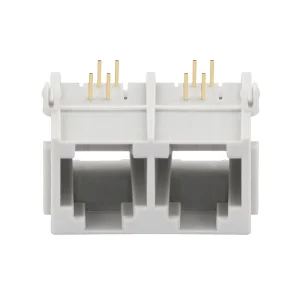
An RJ45 shielding adapter works by creating a continuous Faraday cage around the signal path. When high-frequency signals pass through structured copper cabling, they are susceptible to near-end crosstalk (NEXT) and alien crosstalk (ANEXT). Continuous metal housing, often constructed from nickel-plated copper alloys or zinc die-cast shells, shunts transient currents and high-frequency noise safely to the system ground.
Advanced RJ45 shielded connectors integrate isolated capacitive paths. Without these capacitors, grounding both ends of a shielded cable can create a ground potential difference loop, which introduces low-frequency hum and jitter into the network. High-quality adapters resolve this issue through strategic RC filter networks embedded inside the modular casing.
With the rise of Power over Ethernet (PoE, PoE+, PoE++ IEEE 802.3bt), connectors carry up to 90W of DC power alongside high-frequency signals. Shielding adapters must dissipate heat generated within internal conductors. Premium materials ensure that operating temperatures remain well within standard thresholds, preventing connector degradation over time.
The industrial networking sector is moving rapidly toward higher speeds, smaller form factors, and harsh-environment resiliency. Understanding these macro shifts allows procurement teams to secure components that support long-term infrastructural scaling.
Traditional Cat5e networks are quickly being replaced by Cat6a and Cat7 systems, which support bandwidths of up to 500 MHz and 600 MHz respectively. At these elevated frequencies, unshielded twisted pair (UTP) cabling is insufficient. Continuous shielding and filtered connectors are now mandatory components to prevent package dropouts in edge computing nodes and carrier networks.
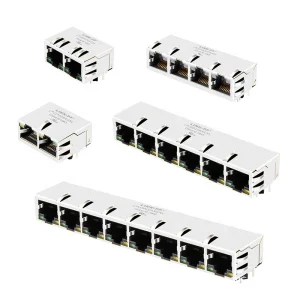
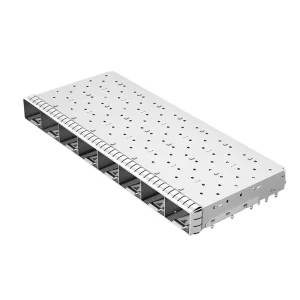
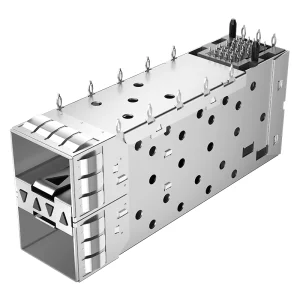
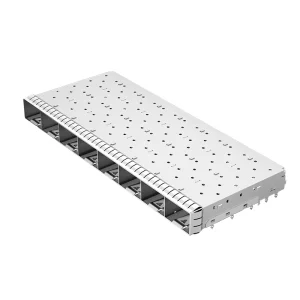
Modern telecom rack configurations demand maximum port density. This has driven the adoption of ganged connectors (e.g., 1x8, 2x8 port layouts) and integrated optical cages (SFP/SFP+). The tight proximity of internal conductors requires excellent internal shielding between channels to eliminate intra-port crosstalk.
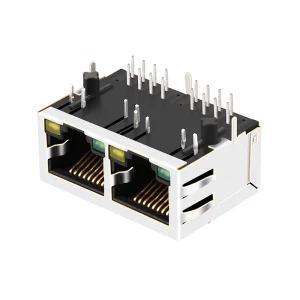
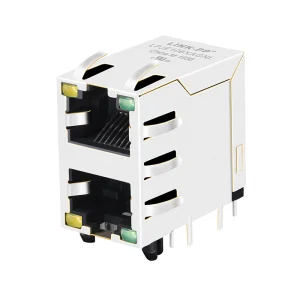
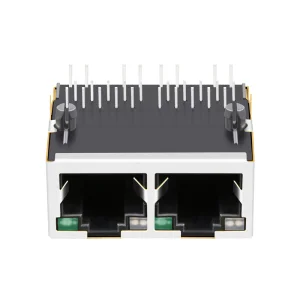
Modern connectivity hardware does not rely on simple mechanical interfaces. Leading engineering standards call for "MagJacks" – RJ45 connectors featuring integrated isolation transformers, common-mode chokes, and status LEDs. This integration reduces PCB space, improves EMI performance, and simplifies design complexity for system builders.
Founded in 2016, Zyqora Optical Technologies Co., Ltd. has established itself as an authoritative manufacturer and global supplier of high-performance optical transceivers, active cables, and structural network connectivity accessories.
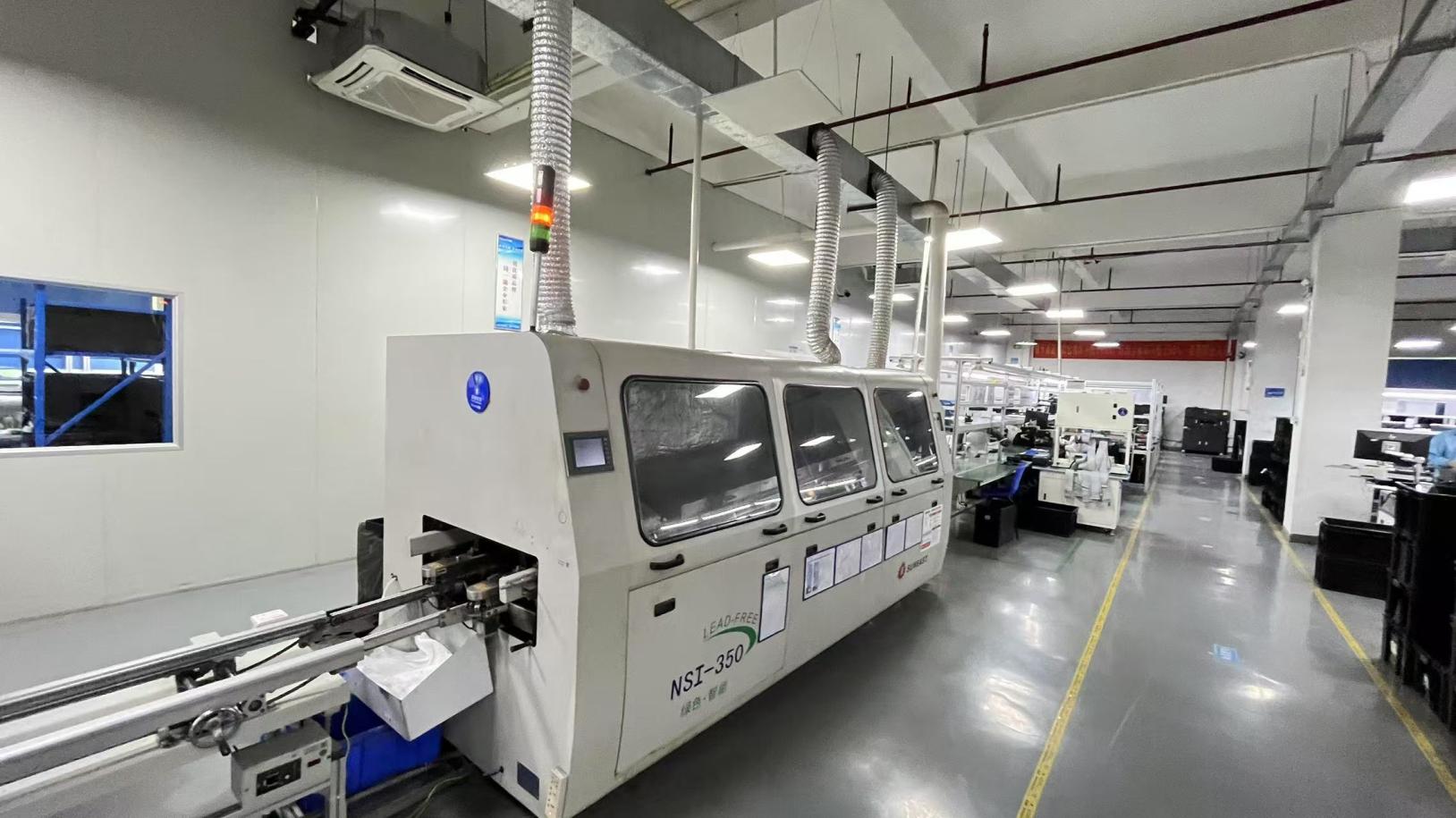
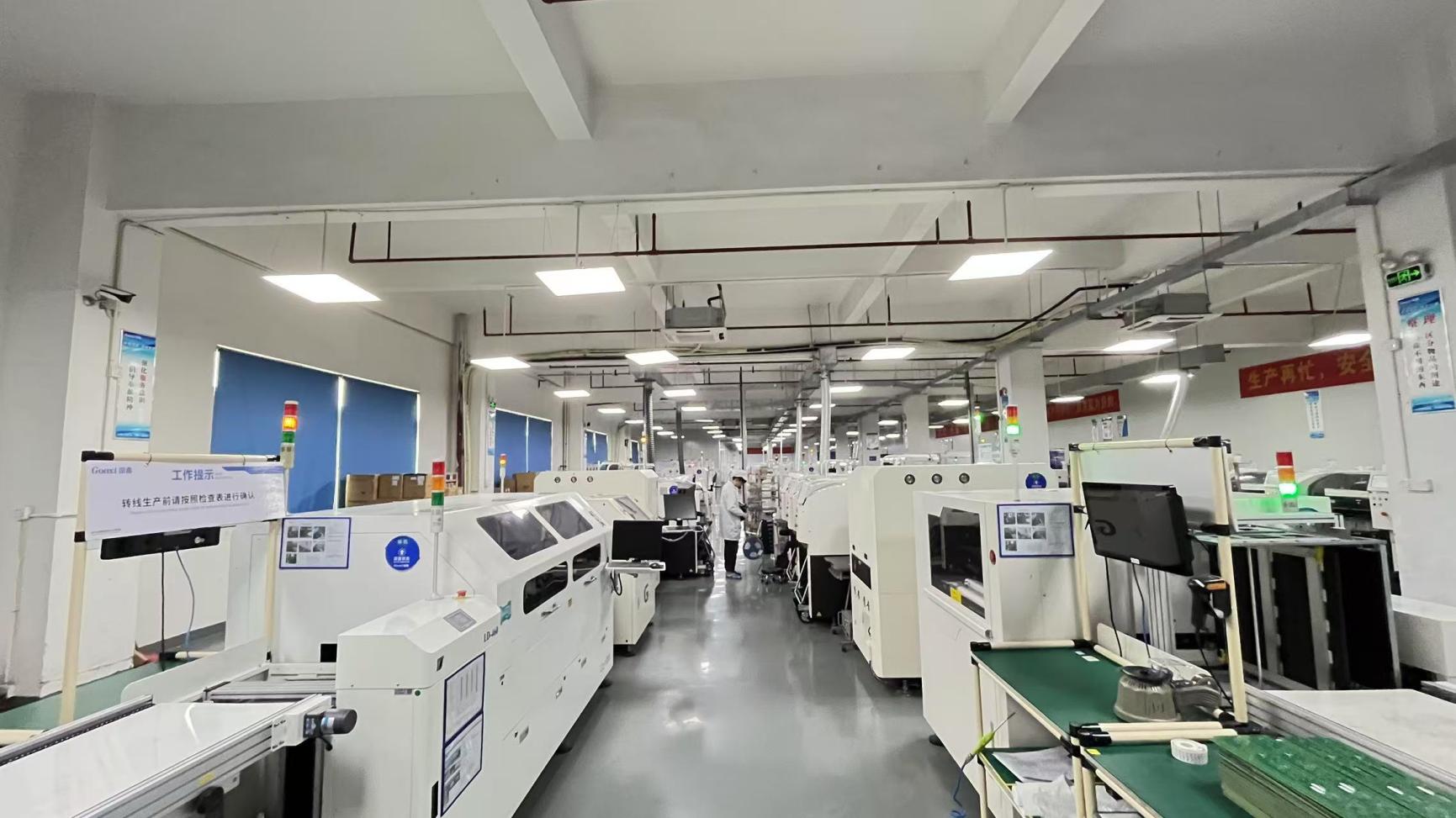
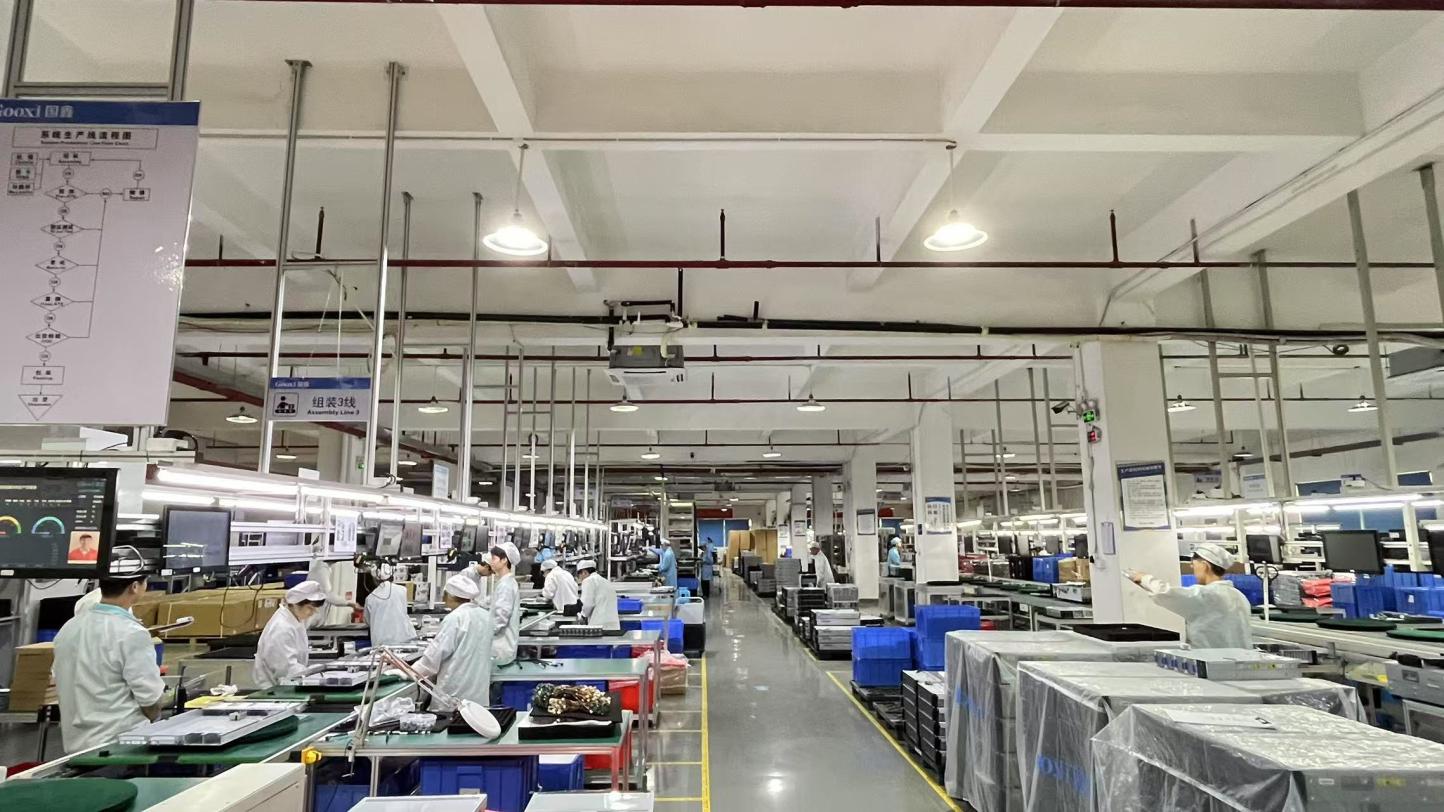
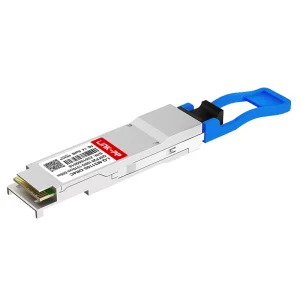
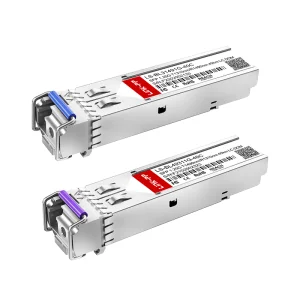
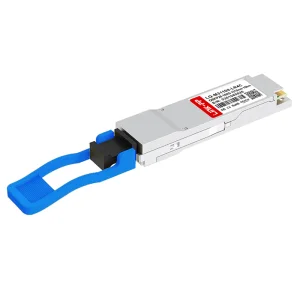
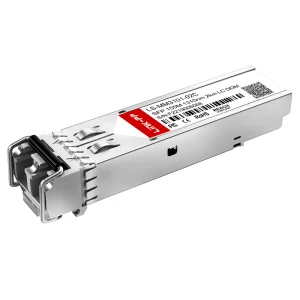
Operating a state-of-the-art production facility spanning 386 square meters, Zyqora specializes in the design, development, and stringent testing of optical and electrical communication products. Our core product portfolio features SFP, SFP+, SFP28, QSFP28, QSFP-DD, OSFP, AOC, and DAC solutions engineered for seamless deployment across international telecommunication grids, cloud server farms, and corporate intranets.
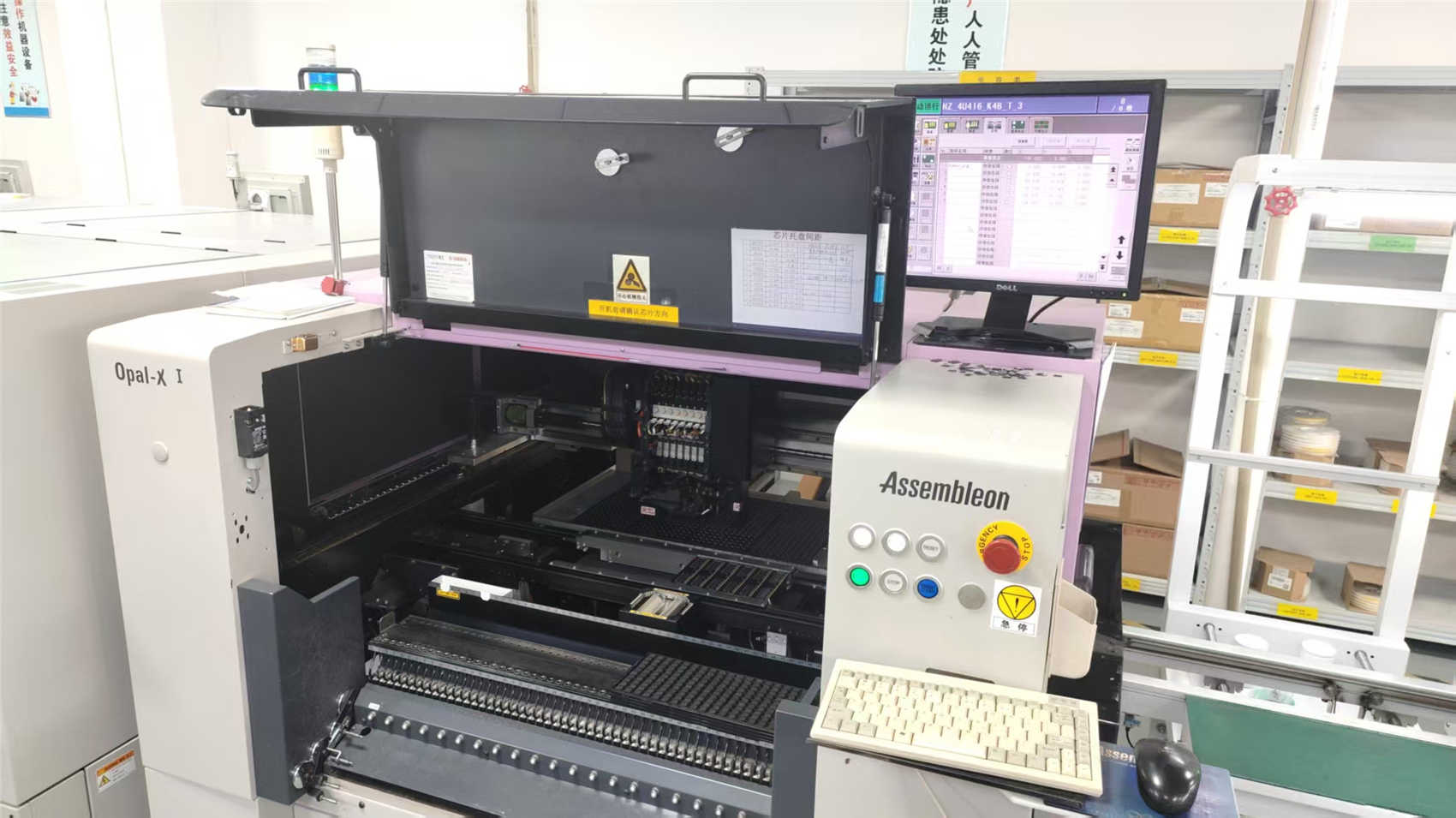
Quality control is central to our operational philosophy. With a dedicated team of 42 QC professionals, every unit undergoes meticulous validation processes. This includes incoming material inspections, optical/electrical performance profiling, rapid thermal cycling, compatibility diagnostics, and structural stress tests. By partnering with over 860 trusted upstream and downstream suppliers, Zyqora ensures high component availability, stable pricing, and prompt international lead times.
To keep pace with the rapidly evolving tech landscape, Zyqora maintains a heavy focus on R&D. Our engineering team specializes in optical-electrical integration and signal integrity, introducing 168 new product variations last year alone. Through our dedicated OEM and ODM channels, clients can customize specifications, firmware, labeling, and packaging formats to match precise deployment parameters.
Enterprise procurement teams and systems integrators must balance component costs against system reliability. Low-quality shielding adapters or optical cages often lead to intermittent failures, data packet loss, and costly downtime.
Ensure that the supplier utilizes robust copper alloys (such as phosphor bronze) with gold plating on mating contacts. Gold plating thickness (ranging from 3u" to 50u") directly impacts the insertion lifecycle, corrosion resistance, and low electrical contact resistance over decades of deployment.
Reliable components must comply with international frameworks, including RoHS (Restriction of Hazardous Substances), REACH, and CE safety metrics. Additionally, mechanical designs should align with FCC Part 68 and IEC 60603-7 standards to guarantee physical interoperability with third-party RJ45 connections.
As network hardware becomes increasingly customized, look for suppliers who offer tailor-made firmware configurations and custom pin-outs. The ability to prototype and perform in-house validation significantly reduces integration risks during major network upgrades.
Shielded RJ45 adapters, SFP housings, and transceivers operate silently behind the scenes across a wide range of industrial and commercial infrastructures.
In high-density server configurations where thousands of high-speed copper and optical cables route in parallel overhead trays, cross-talk and RF noise are major challenges. Shielded RJ45 connectors and SFP cages ensure that servers operate at full speed without packet re-transmissions caused by external noise.
Heavy machinery, variable frequency drives (VFDs), and robotic welding arms generate massive amounts of electromagnetic noise. Utilizing unshielded cables in these environments leads to corrupted control signals. High-shielding RJ45 adapters prevent interference, ensuring uninterrupted production cycles.
Telecommunications basestations and 5G cellular antennas are exposed to extreme environmental factors and RF radiation. Fully sealed, EMI-shielded connections keep cell towers online in all weather conditions, ensuring continuous connectivity for millions of users.
As industry standards push toward 400G and 800G connectivity, the division between copper and optical interfaces is narrowing. We are actively developing next-generation technologies to meet these demands.
For shorter runs within data racks, copper remains cost-effective. However, as speeds exceed 100G, Active Optical Cables with integrated electro-to-optical conversion circuits inside the SFP transceivers are becoming the standard, providing complete immunity to EMI.
Future iterations of shielding adapters will replace traditional heavy-metal plating processes with conductive polymer alternatives. These eco-friendly materials offer similar EMI attenuation levels while significantly reducing manufacturing weight and carbon footprint.
By shifting the optical engine directly onto the CPU/Switch substrate, CPO minimizes trace lengths on PCBs. Our research division is developing ultra-small SFP/QSFP structures to support these highly integrated systems.
Here, our application engineers address common technical questions regarding network signal attenuation and shielding mechanics.
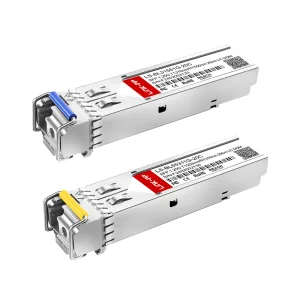
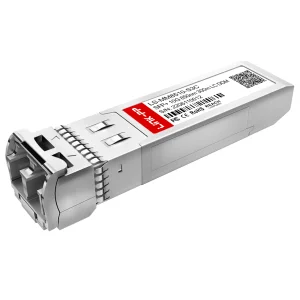
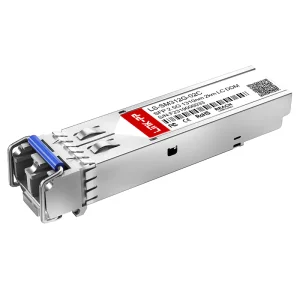
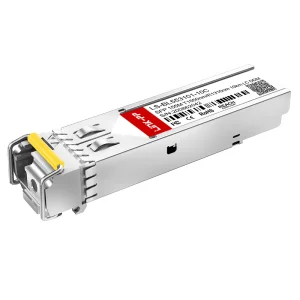
Explore our comprehensive range of fiber optic transceivers and shielded SFP cages
Take a closer look at Zyqora's quality-controlled assembly environments, product testing facilities, and warehouse logistics operations.