Zyqora
Zyqora
Zyqora
Direct factory access to highly engineered networking interfaces, optical transceivers, and modular RJ45 connectors built for complex telecom and enterprise networks.
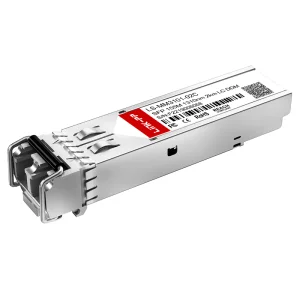
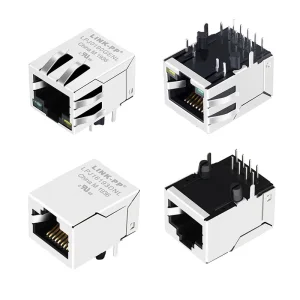
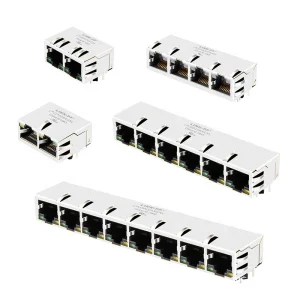
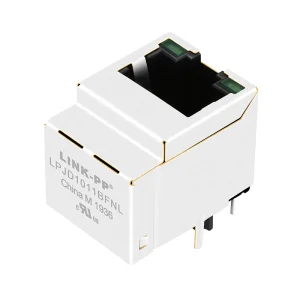
In modern network infrastructures, the standard RJ45 connector remains the dominant interface for Ethernet transmission. However, as digitalization accelerates into environments far beyond climate-controlled office spaces, standard plastic clip-on boots fail to meet the rigorous physical and environmental demands of today's systems. The emergence of the RJ45 overmolded connector has redefined standard Ethernet cabling. Overmolding refers to the process of injection-molding a thermoplastic material (such as PVC, polyurethane, or thermoplastic elastomer) directly over the cable and the RJ45 shell structure.
This advanced manufacturing technique integrates the cable jacket, strain relief boot, and connector plug into a single, unified, water-tight structural entity. Globally, industries ranging from heavy manufacturing, chemical production, military logistics, and automotive assembly to municipal smart-city networks require these overmolded solutions to safeguard continuous data flow. The global market value for ruggedized connectivity interfaces is projected to expand significantly, driven by the rollout of Industrial Ethernet (EtherNet/IP, PROFINET, Modbus TCP) and high-performance Edge Computing nodes.
Standard Ethernet connectors suffer from cable pull-out, localized moisture infiltration, contact oxidized degradation, and tabs snapping off under mechanical stress. Overmolded RJ45 connectors resolve these pain points by offering continuous structural strain relief, chemical blockades, and mechanical dampening designed for demanding operating environments.
China's industrial manufacturing ecosystem offers unmatched structural advantages that go far beyond simple cost reduction. The integration of local supply chains, engineering capabilities, and high-volume automation allows top-tier Chinese factories to set global standards for quality and logistics efficiency.
From precision tooling designers and raw thermoplastic compounding plants to high-speed CNC metal shops, the local supply ecosystem guarantees immediate availability of specialized components. This minimizes development latency and eliminates lead-time bottlenecks.
Developing customized multi-cavity injection molds for non-standard cable gauges can take months elsewhere. Leading Chinese factories reduce this phase to 10–14 working days, offering quick-turn prototypes with accurate material properties.
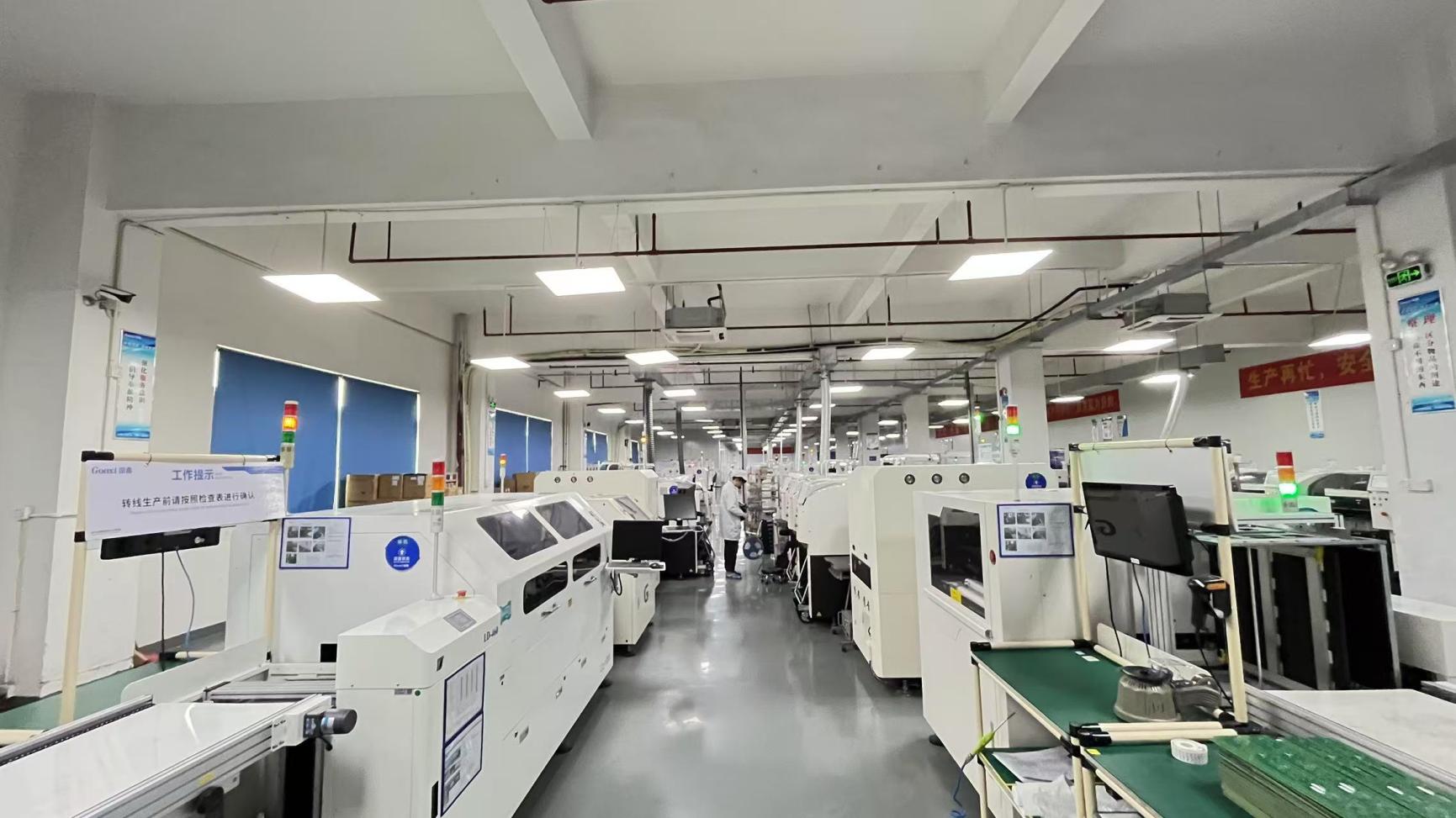
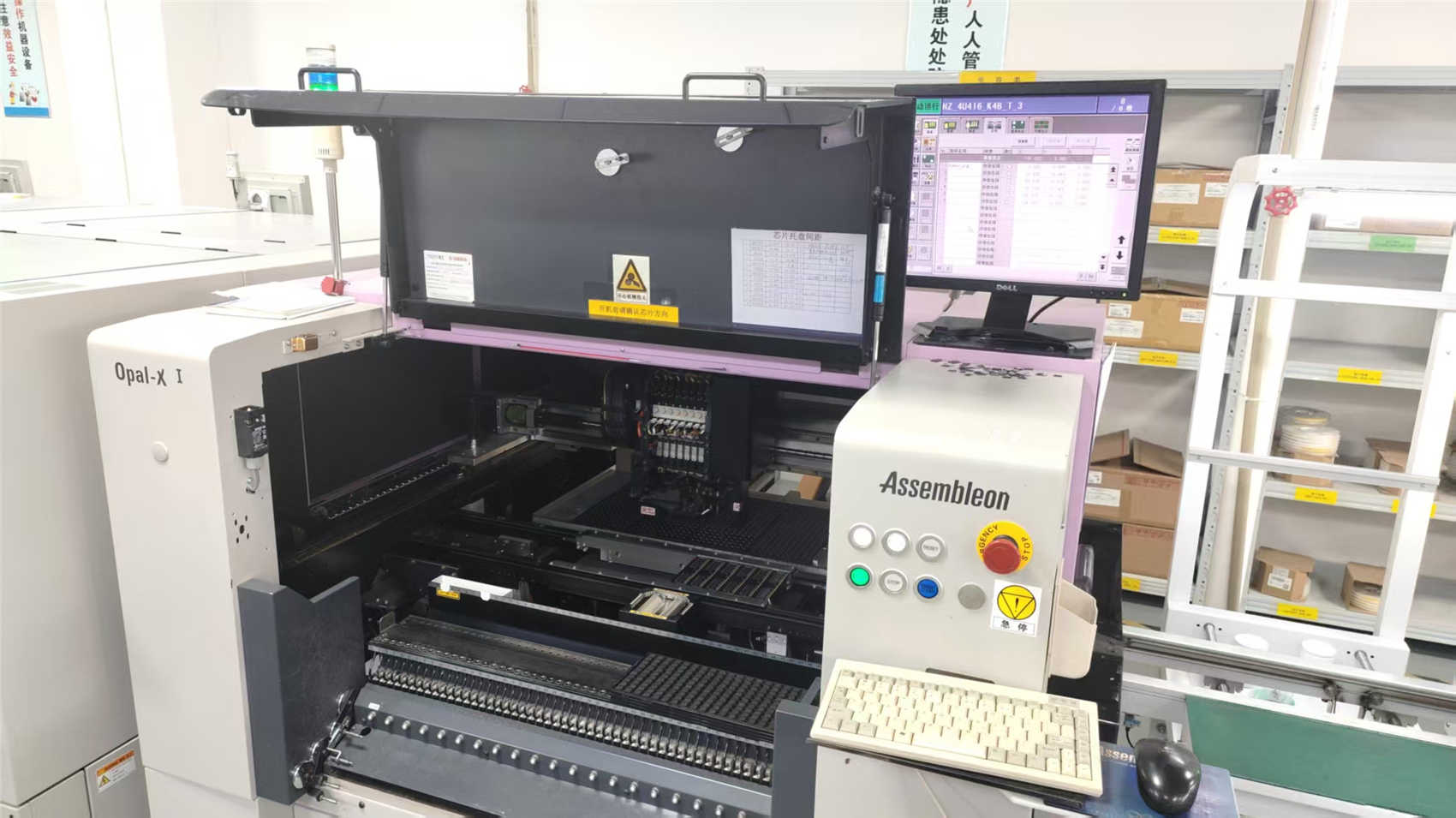
Modern facilities feature automated cable stripping, contact crimping, dual-stage insert molding, and 100% automated electrical testing. This ensures consistent tolerances across batch runs of tens of thousands of units.
To achieve true IP67 or IP68 water resistance alongside reliable signal performance, premium Chinese manufacturers utilize a dual-stage overmolding technique:
Cores are stripped, shields folded back 360°, and high-performance RJ45 plugs are terminated to IPC-A-620 standards.
An inner hard resin (usually PA or PP) is injected to lock contacts, shield drains, and internal wiring in place, eliminating internal movement.
A flexible outer layer (TPU, PVC, or PUR) is injected to form the final shape, tactile strain relief boot, and environmental seal.
Cables undergo automated dimensional inspections, high-pot isolation tests, and network category certifications (e.g., Cat6A bandwidth limits).
High-grade overmolded RJ45 systems are critical components in demanding industries where network downtime can result in significant operational costs.
Global procurement managers evaluate suppliers based on key operational metrics:
| Specification | Material / Standard | Best Suited For |
|---|---|---|
| TPU (Polyurethane) | Halogen-Free, Elastic | Dynamic bending, oils, abrasion |
| PVC (Polyvinyl) | UL94V-0 Rated | Standard industrial cabinet wiring |
| Shielding Type | S/FTP or SF/UTP Braiding | High EMI/RFI interference zones |
| Sealing Rating | IP67, IP68, IP69K | High-pressure washdown, outdoor |
Founded in 2016, Zyqora Optical Technologies Co., Ltd. is a professional manufacturer and supplier of high-performance optical transceivers and fiber connectivity solutions for global data center, telecom, enterprise network, and cloud computing applications. To support evolving market demands, we maintain a strong research and development team focused on innovation and product optimization, ensuring compatibility and reliability across our product range.
Quality is at the core of everything we do. Our manufacturing process is supported by comprehensive quality assurance procedures, including incoming material inspection, optical performance testing, aging tests, compatibility verification, and final product inspection. A dedicated team of 42 quality control professionals ensures that every product meets international standards and customer expectations.
As a company with both manufacturing and international trading capabilities, Zyqora has built a reliable supply network with more than 860 supply chain partners, enabling efficient sourcing, stable production, and flexible delivery schedules. Zyqora offers comprehensive OEM and ODM services, including customized labeling, firmware coding, packaging design, and product specification development.
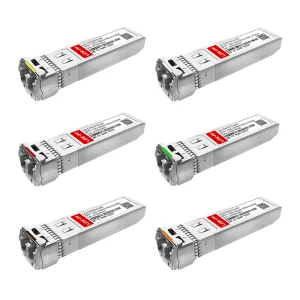
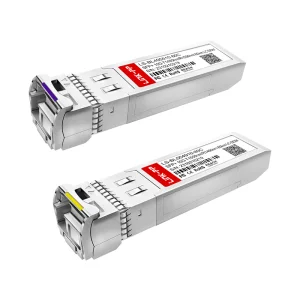
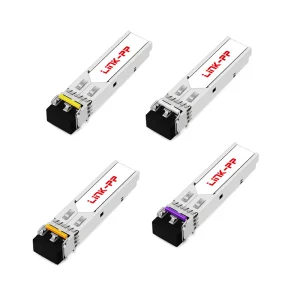
With a modern production facility covering 386 square meters, Zyqora specializes in the design, development, manufacturing, and testing of optical communication products, including SFP, SFP+, SFP28, QSFP28, QSFP-DD, OSFP, AOC, and DAC solutions. Our products are engineered to deliver reliable performance, scalability, and seamless compatibility with mainstream networking platforms.
Over the years, Zyqora has established a strong international presence, achieving annual export revenue exceeding USD 18 million. Backed by 8 years of export experience and 10 years of industry expertise, we serve customers across North America, Europe, Southeast Asia, the Middle East, and Latin America.
Our R&D department consists of 65 experienced engineers specializing in optical communication technologies, high-speed transmission systems, and network interoperability solutions. Through continuous innovation and strict quality management, Zyqora remains committed to providing cost-effective, reliable, and future-ready optical networking products for customers around the world.


The expansion of industrial networks demands that physical layers adapt to higher performance requirements, stricter regulatory rules, and more extreme environments.
While traditional RJ45 connectors support up to Cat6A (10 Gbps), the rise of Single-Pair Ethernet (SPE) is shifting requirements. Overmolded SPE and miniaturized RJ45 variants are emerging to deliver both gigabit speeds and Power over Data Lines (PoDL) to space-constrained devices.
Environmental regulations (such as RoHS 3 and REACH) are driving manufacturers to replace legacy PVC formulations. Top-tier plants are adopting bio-based TPUs and recyclable elastomers that deliver the same level of chemical and ozone resistance.
High-voltage motor drives and variable frequency drives (VFD) generate significant electromagnetic noise. Modern overmolded connectors feature internal copper foil shielding wrapped 360 degrees, connected directly to the outer cast housing to minimize signal degradation.
Detailed, engineering-focused answers regarding design specifications, manufacturing options, and deployment scenarios for global procurement teams.
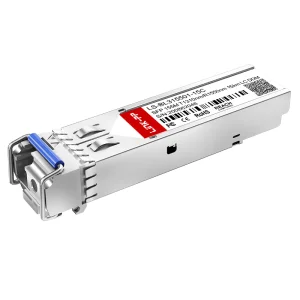
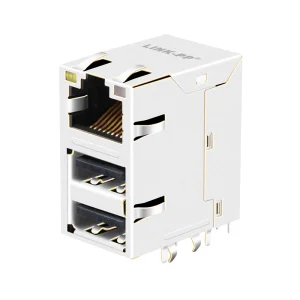
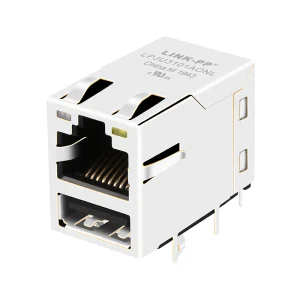
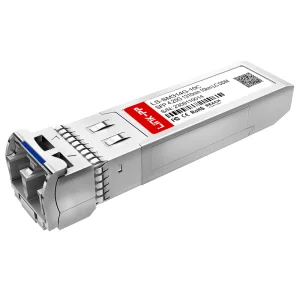
High-speed optical transceivers and modular interface solutions engineered to support high-performance data centers and telecom backbones.