Zyqora
Zyqora
Zyqora
As hyperscale cloud environments and carrier-grade optical networks scale to 400G, 800G, and beyond, passive connectivity assemblies dictate physical layer viability. Choosing a fiber optic patch cord supplier is no longer merely a pricing decision; it is a critical process that determines the signal loss budget of a network.
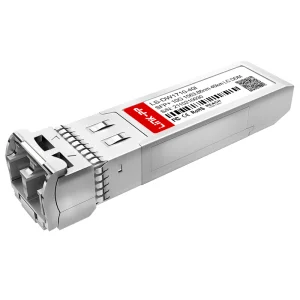
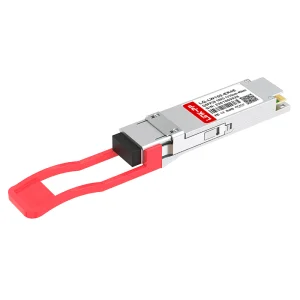
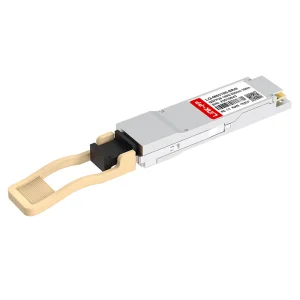
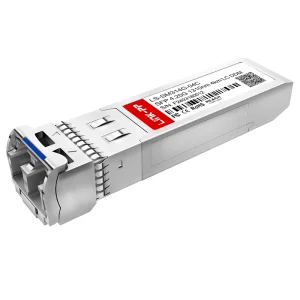
Modern transceiver modules, such as our 100GBASE-ER4 QSFP28 or SFP+ 10G DWDM architectures, demand strict transmission standards. Mechanical or optical misalignment at the physical patch cord interface generates Back Reflection (ORL) and Insertion Loss (IL), which degrade overall Bit Error Rate (BER) metrics and cause packet drops. Consequently, network engineers evaluate patch cables based on geometric accuracy, polishing quality, and material integrity.
Standard patch cords exhibit insertion losses between 0.3dB and 0.5dB. High-performance, low-loss grade assemblies target < 0.15dB (typically < 0.10dB for premium single-mode connectors). In a complex fiber channel run with 6 connections, reducing IL by 0.2dB per junction saves 1.2dB of power budget, which can make the difference between active link stability and transceiver receiver failure.
High-performance optical interconnects are defined by their materials and manufacturing standards:
Enterprise procurement professionals use structured criteria to evaluate global fiber patch cable suppliers. Evaluating production methods, testing protocols, and localization strategies prevents deployment delays and operational issues.
Reliable suppliers inspect fiber end-faces using 3D interferometers to measure fiber height, radius of curvature, and apex offset. This testing verifies physical contact under thermal stress and prevents air gaps or structural fiber deformation over time.
End-face cleanliness and structural integrity must comply with IEC 61300-3-35 standards. Automated visual inspection systems screen out scratches, pits, or dust particles in the critical optical core zone, ensuring optimal light transmission.
Fiber patch cords should interoperate seamlessly with transceiver modules from various network equipment manufacturers. Purchasing matching transceivers and fiber patch cables from a single, qualified manufacturer reduces system integration risks.
| Fiber Cable Type | Core/Cladding Diameter | Optimized Light Source | Max Attenuation Rate | Ideal Application Scenarios |
|---|---|---|---|---|
| OS2 Single Mode | 9/125 μm | Laser (1310 nm / 1550 nm) | 0.4 dB/km @ 1310 nm | Long-haul transmission, Metros, Datacenter Interconnects (DCI) |
| OM3 Multimode | 50/125 μm | VCSEL (850 nm) | 3.0 dB/km @ 850 nm | 10G to 40G short-range enterprise trunking (< 300m) |
| OM4 Multimode | 50/125 μm | VCSEL (850 nm) | 3.0 dB/km @ 850 nm | High-speed datacenter backbones up to 100G (< 400m) |
| OM5 Multimode | 50/125 μm | VCSEL (SWDM) | 3.0 dB/km @ 850 - 953 nm | Short Wavelength Division Multiplexing (SWDM) networks up to 400G |
China remains a leading producer of high-performance fiber optic components, driven by specialized manufacturing clusters and deep industry expertise. Industrial regions in Wuhan (known as "Optics Valley") and Shenzhen host integrated supply chains that bring together raw glass drawing, injection molding, precision machining, and test-instrument manufacturing.
This clustering creates scale economies and supply chain flexibility. For instance, customized breakout lengths, specialized labeling, and specific flame-retardant configurations can be prototyped and manufactured quickly. Automated testing, precision cleaning, and laser-cleaving technologies help Chinese factories maintain consistent quality while offering cost advantages over regional manufacturers elsewhere.
Deploying enterprise networks in different regions requires strict adherence to local building codes, environmental regulations, and safety mandates. General-purpose cabling cannot be used in specialized air ducts or public buildings without violating regional building regulations.
Under the National Electrical Code (NEC Article 770), plenum spaces (air handling zones) require OFNP (Optical Fiber Nonconductive Plenum) rated jackets. OFNP cables feature fire-resistant fluoroplastic materials that minimize smoke emission. Vertical vertical runs require OFNR (Riser) rating.
The European Construction Products Regulation (CPR EN 50575) classifies cabling installations based on flame spread, heat release, and acid gas generation. Projects in public spaces often mandate B2ca or Cca certifications combined with LSZH (Low Smoke Zero Halogen) ratings.
Enterprise projects require RoHS and REACH compliance to confirm that cabling components do not contain hazardous chemical substances. Leading manufacturers submit their materials to third-party laboratories to obtain these safety certifications.
Global logistics support is also a key factor. Top-tier optical suppliers complement high-volume manufacturing hubs in Asia with regional warehousing in North America, Europe, and South America. This setup enables quick-ship capabilities for standard configurations while minimizing overall shipping lead times.
This directory evaluates the ten leading supplier archetypes in the international optical market, analyzing their core focus, target applications, and production models.
These tier-1 multi-nationals drive global standards and supply large volume projects. Best suited for massive telecom infrastructure rollouts, they offer high-performance proprietary glass. However, they typically feature premium pricing and longer lead times for custom runs.
Specialists in high-density enterprise architecture and containment systems. They offer highly engineered MPO/MTP modular cassettes, patch panels, and customized wiring systems, designed to simplify cable management in large-scale enterprise spaces.
Direct-to-consumer digital channels offering standardized inventories, next-day shipping, and easy web ordering. Highly useful for replacement components, small-to-medium deployments, and urgent maintenance work.
Focusing on outdoor, heavy-duty armored patch cords and long-haul trunk lines. They serve public utility installations, subsea landings, and metropolitan networks where mechanical protection against weather and physical tension is critical.
Manufacturers specializing in harsh environments. They supply IP67/IP68 waterproof connectors and specialized fiber patch cables for military, aerospace, marine, and factory automation applications.
Providing integrated network physical layer solutions. They design patch cords, copper cables, data cabinets, and cable trays to work together as a single, certified building distribution system.
Direct manufacturing partners that produce both active optical transceivers and passive patch assemblies. This dual capability ensures verified compatibility and low signal loss across the entire connection. This model supports customization and OEM/ODM services for large-scale projects.
Suppliers with localized testing facilities. They import optical fiber reels and assemble custom patch cords locally, offering fast delivery times for specialized configurations.
Dedicated to Fiber-to-the-Home (FTTH) and Fiber-to-the-Building (FTTB) applications. They supply low-cost drop cables, fiber distribution boxes, and fast-connect assemblies for telecommunications operators.
Niche laboratories producing specialized assemblies, including Polarization-Maintaining (PM) fiber, medical-grade components, and sensors for research and industrial applications.
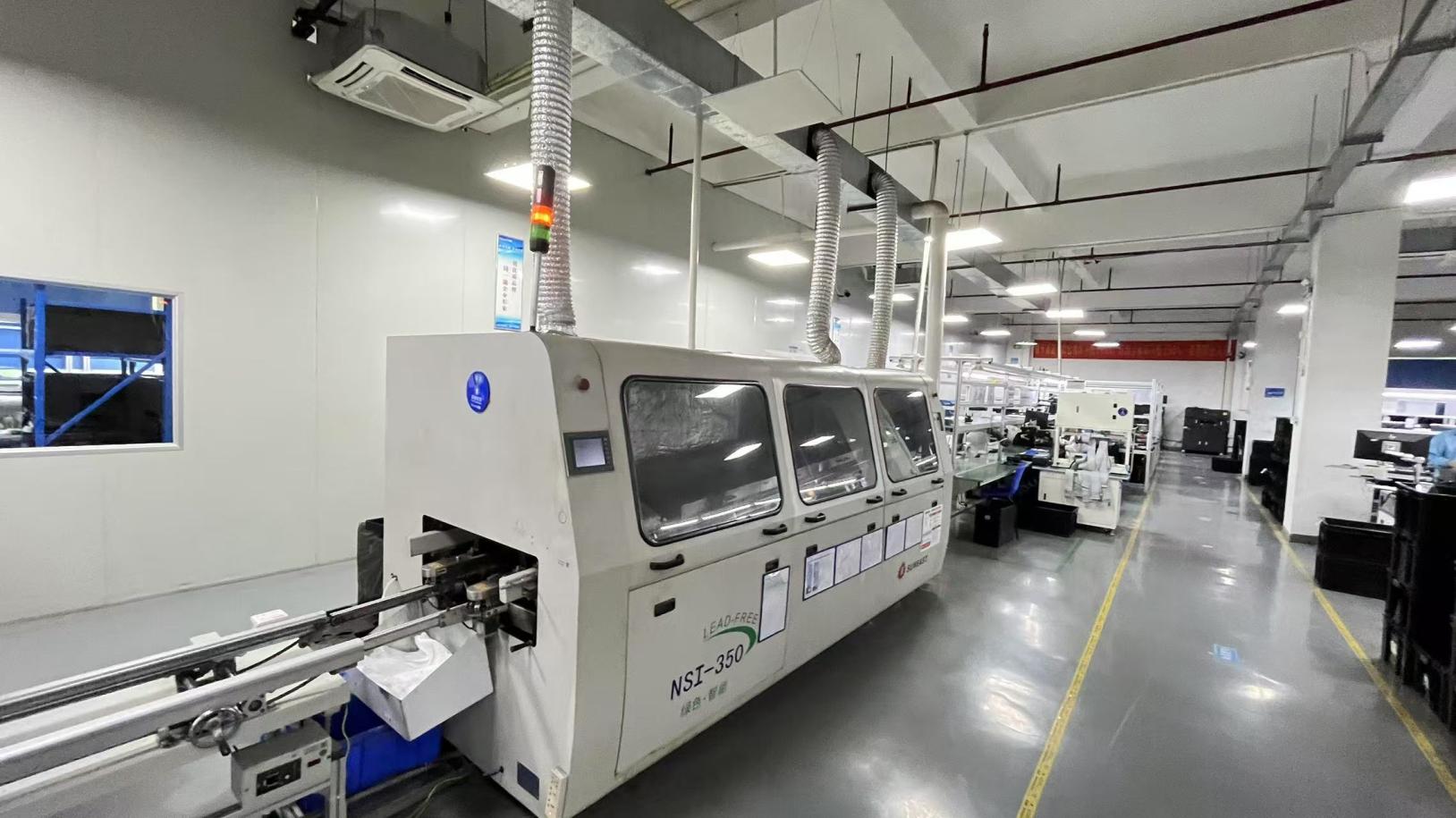
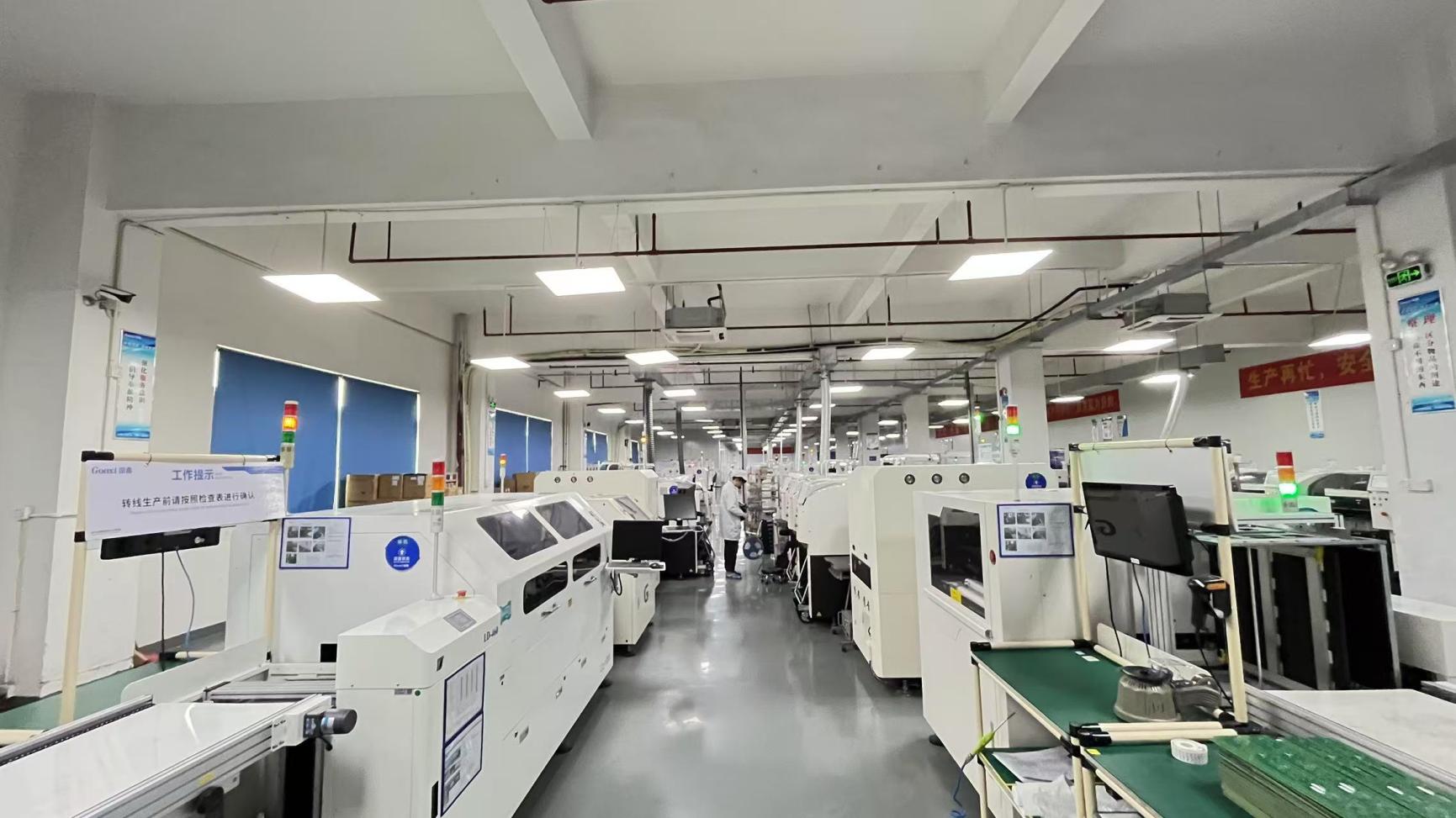
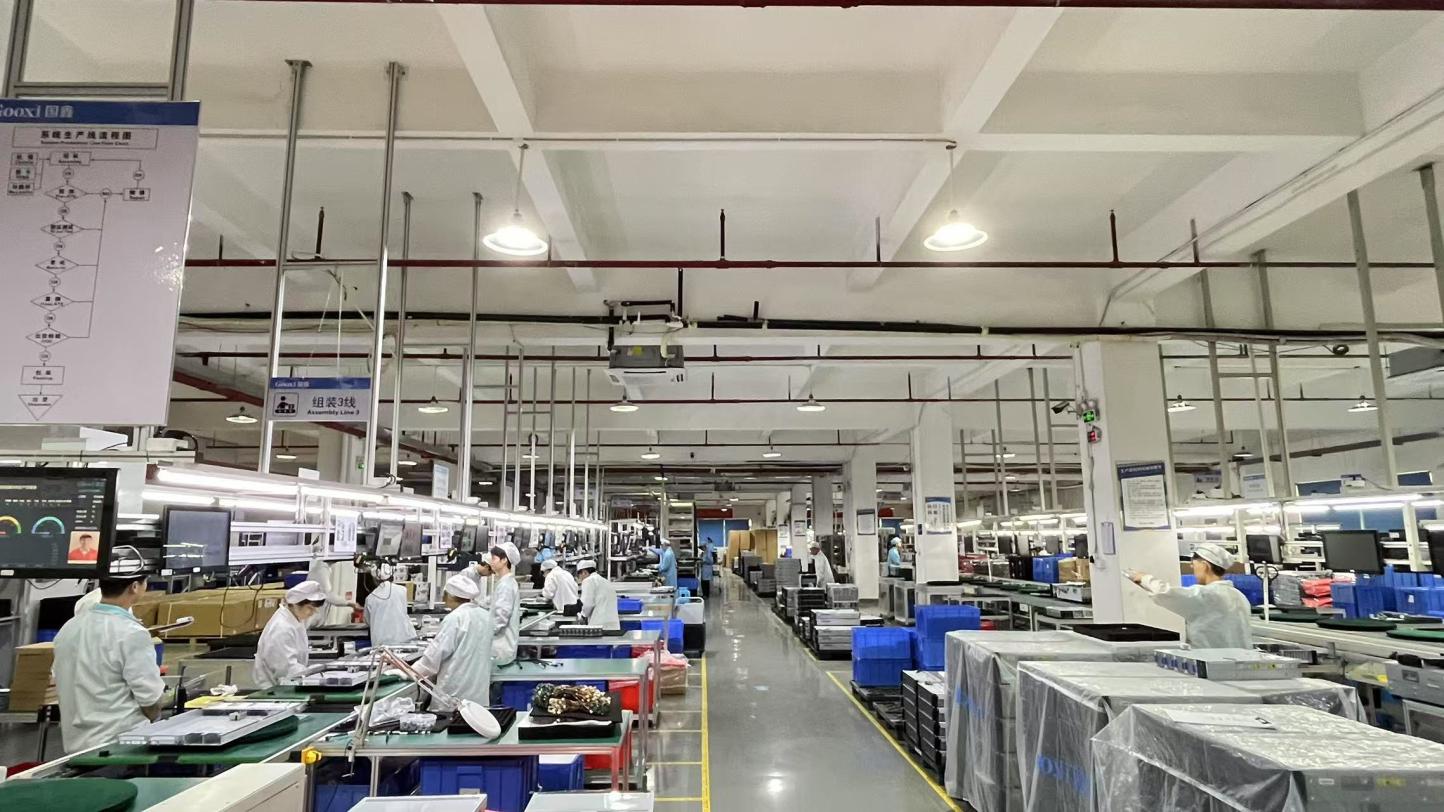
Founded in 2016, Zyqora Optical Technologies Co., Ltd. is a professional manufacturer and supplier of high-performance optical transceivers and fiber connectivity solutions for global data center, telecom, enterprise network, and cloud computing applications.
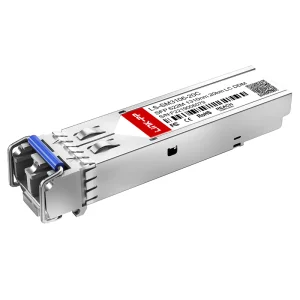
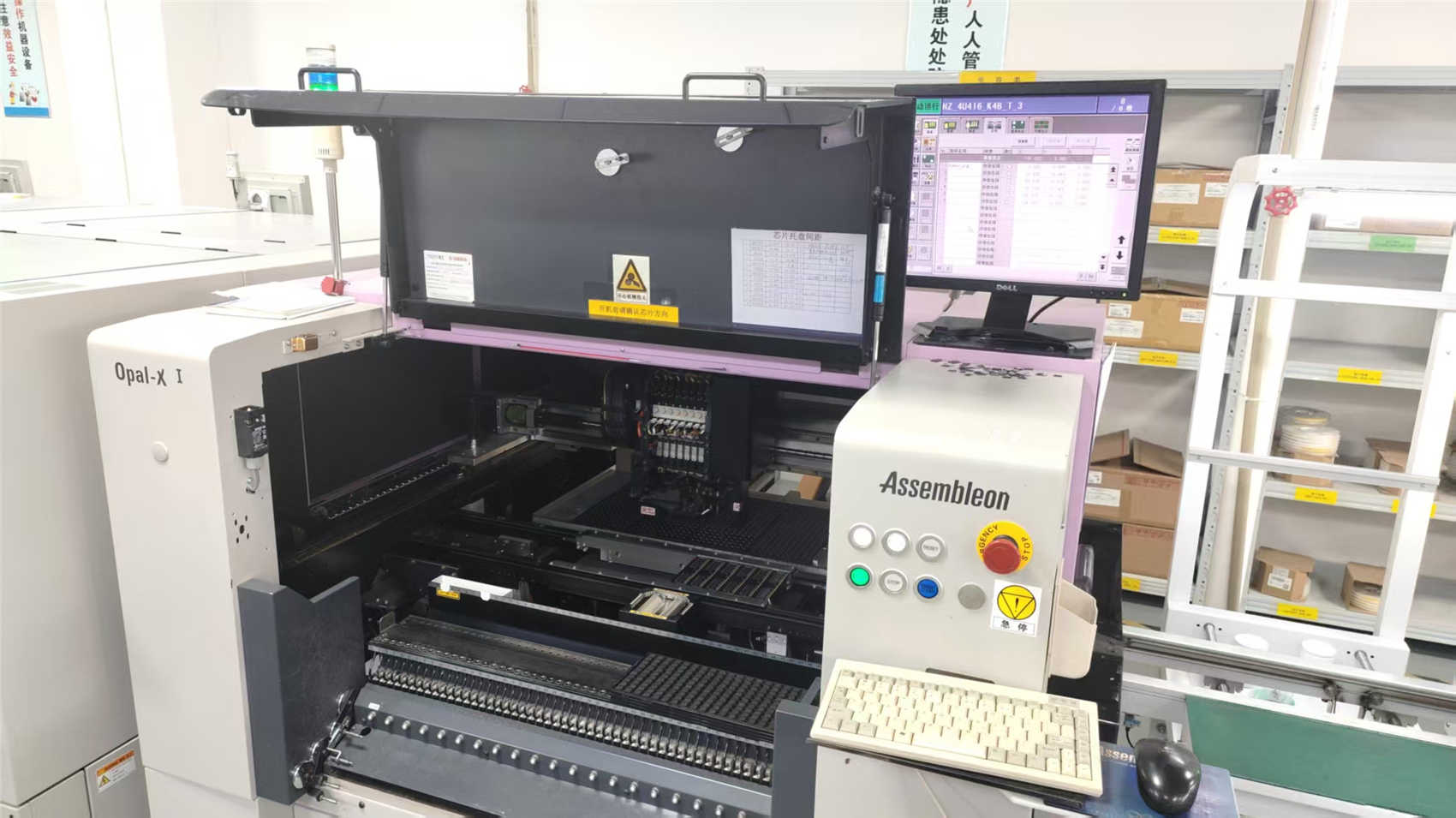
With a modern production facility covering 386 square meters, Zyqora specializes in the design, development, manufacturing, and testing of optical communication products, including SFP, SFP+, SFP28, QSFP28, QSFP-DD, OSFP, AOC, and DAC solutions. Our products are engineered to deliver reliable performance, scalability, and seamless compatibility with mainstream networking platforms.
Over the years, Zyqora has established a strong international presence, achieving annual export revenue exceeding USD 18 million. Backed by 8 years of export experience and 10 years of industry expertise, we serve customers across North America, Europe, Southeast Asia, the Middle East, and Latin America.
Quality is at the core of everything we do. Our manufacturing process is supported by comprehensive quality assurance procedures, including incoming material inspection, optical performance testing, aging tests, compatibility verification, and final product inspection. A dedicated team of 42 quality control professionals ensures that every product meets international standards and customer expectations.
As a company with both manufacturing and international trading capabilities, Zyqora has built a reliable supply network with more than 860 supply chain partners, enabling efficient sourcing, stable production, and flexible delivery schedules.
Our primary customers include telecom operators, data center providers, system integrators, network equipment distributors, and enterprise IT solution providers worldwide. To support evolving market demands, we maintain a strong research and development team focused on innovation and product optimization.
Zyqora offers comprehensive OEM and ODM services, including customized labeling, firmware coding, packaging design, and product specification development. Last year alone, the company successfully launched 168 new products to meet the growing requirements of next-generation network infrastructures.
Our R&D department consists of 65 experienced engineers specializing in optical communication technologies, high-speed transmission systems, and network interoperability solutions. Through continuous innovation and strict quality management, Zyqora remains committed to providing cost-effective, reliable, and future-ready optical networking products for customers around the world.
Zyqora – Connecting Networks with Speed, Reliability, and Innovation.
Network deployments vary based on their physical and operational environments. Standard enterprise local area networks (LANs) have different requirements than high-speed computing centers or outdoor cellular sites.
These facilities deploy low-loss OM4 and OM5 MTP/MPO multi-fiber patch assemblies to connect spine-and-leaf switches. Using low-loss cables helps maximize the allowable optical power budget, allowing for additional connection joints in patch panels.
Edge environments benefit from ITU-T G.657 bend-insensitive fiber patch cords. These cables can be routed around tight corners inside compact cabinets without significant signal attenuation, protecting link stability.
Cell towers require ruggedized, UV-resistant armored patch assemblies to connect active baseband units (BBU) to remote radio heads (RRH). Armored jackets protect the glass core against environmental exposure and mechanical tension.