Zyqora
Zyqora
Zyqora
Engineered for extreme reliability, matching strict parameters required by modern enterprise architectures and high-density telecom infrastructures.
Analyzing how the convergence of IEEE 802.3bt technology and high-frequency data demands reshapes hardware selection criteria for infrastructure planners and OEM designers.
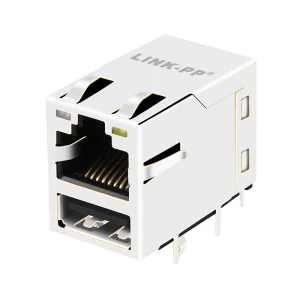
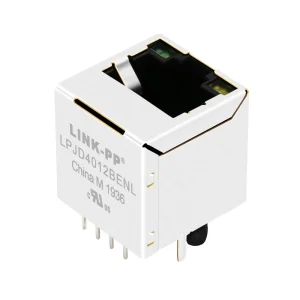
Power over Ethernet has progressed from providing mere milliwatts to delivering up to 90W/100W under Type 4 configurations. Industrial RJ45 connectors must mitigate localized heating. Modern integrated magnetics (Magjacks) control temperature rise via thicker trace widths and optimized contact resistance (<20mΩ), ensuring critical safety margins.
High-speed lines (up to 10G Base-T) running parallel with high-current power cables are susceptible to NEXT and FEXT. Integrated shielding and 360-degree ground tabs attenuate electromagnetic interference (EMI). Incorporating precise wire-winding techniques inside the RJ45 housing ensures return loss conforms strictly to IEEE requirements.
Corrosive environments, extreme vibrations, and mechanical fatigue degrade electrical connections. Premium components rely on minimum 50 micro-inches of gold plating over phosphor bronze contacts. High-temperature thermoplastic housings (like LCP) withstand high-temperature lead-free reflow soldering profiles without warping.
A primary failure point in industrial PoE installations is contact erosion due to spark arc-over when disconnecting under load (hot-plugging). Connectors compliant with IEC 60512-99-001/002 guarantee electrical performance remains intact even after hundreds of mating cycles under full current load (up to 1A per pair). Hardware engineers must scrutinize these physical characteristics to prevent premature field failures.
| Standard Type | IEEE Standard | Max Power at Port | Current per Pair | Supported Cabling | Recommended Contact Plating |
|---|---|---|---|---|---|
| PoE (Type 1) | IEEE 802.3af | 15.4 W | 350 mA | Cat 3 / Cat 5 | 15μ" Gold Min |
| PoE+ (Type 2) | IEEE 802.3at | 30.0 W | 600 mA | Cat 5e / Cat 6 | 30μ" Gold Min |
| PoE++ (Type 3) | IEEE 802.3bt | 60.0 W | 600 mA per pair | Cat 6 / Cat 6A | 50μ" Gold Min |
| PoE++ (Type 4) | IEEE 802.3bt | 90W - 100W | 960 mA per pair | Cat 6A / Cat 8 | 50μ" Gold Standard |
How next-generation copper interconnect solutions adapt to high-bandwidth edge environments, AI processing clusters, and ultra-high-density setups.
As networks expand toward edge computing nodes and AI-driven telemetry, physical connections face multiple performance demands. Future-proofing systems requires moving beyond Cat6 gigabit layouts to 10G, 25G, and 40G Base-T networks, which need refined connector designs. China's top tier of component manufacturers are driving innovations in these areas:
Future RJ45 connectors are integrating micro-sensors directly within the housing to monitor temperature, voltage fluctuations, and physical security. This diagnostics layer allows operators to identify degradation or high-power thermal events at individual port levels before network failure occurs, minimizing costly downtime.
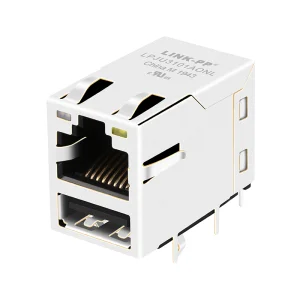
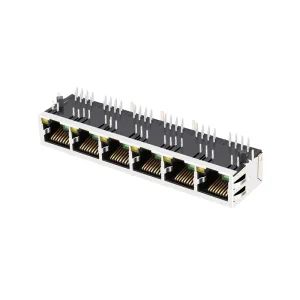
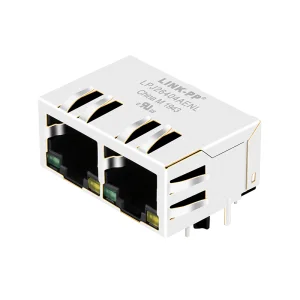
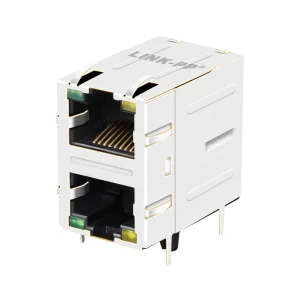
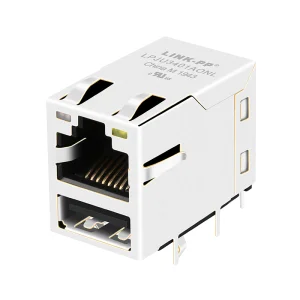
For network switch OEM design engineers, space optimization is key. Stacked multi-port RJ45 connectors with integrated magnetics (such as 2x4, 2x6, and 2x8 configurations) are undergoing rigorous mechanical refinements. Advancements in magnetic material design enable smaller core sizes, yielding a 30% reduction in package volume without compromising electrical isolation.
Exploring how components operate in high-demand, ruggedized enterprise, and industrial ecosystems.
Outdoor IP security cameras, digital signage, and traffic monitoring systems are exposed to moisture, wide temperature swings, and electrostatic discharge (ESD). Using IP67-rated RJ45 jacks with integrated TVS diodes and high-power PoE++ capabilities ensures continuous uptime in challenging outdoor environments.
In automated factory floors, electrical noise from motors and high-voltage switches degrades signals. Rugged industrial RJ45 modules featuring enhanced shielding and heavy-duty grounding tabs prevent EMI packet loss, maintaining precision on EtherCAT, PROFINET, and Modbus TCP architectures.
High-density blade servers and switches generate significant heat. Interconnect designs must remain stable under sustained ambient operating temperatures up to 85°C. Selecting connectors with lower insertion loss and high thermal resistance limits signal loss and minimizes energy cooling costs.
An inside look at how Zyqora Optical Technologies bridges advanced R&D, automated high-throughput production, and strict global quality standards.
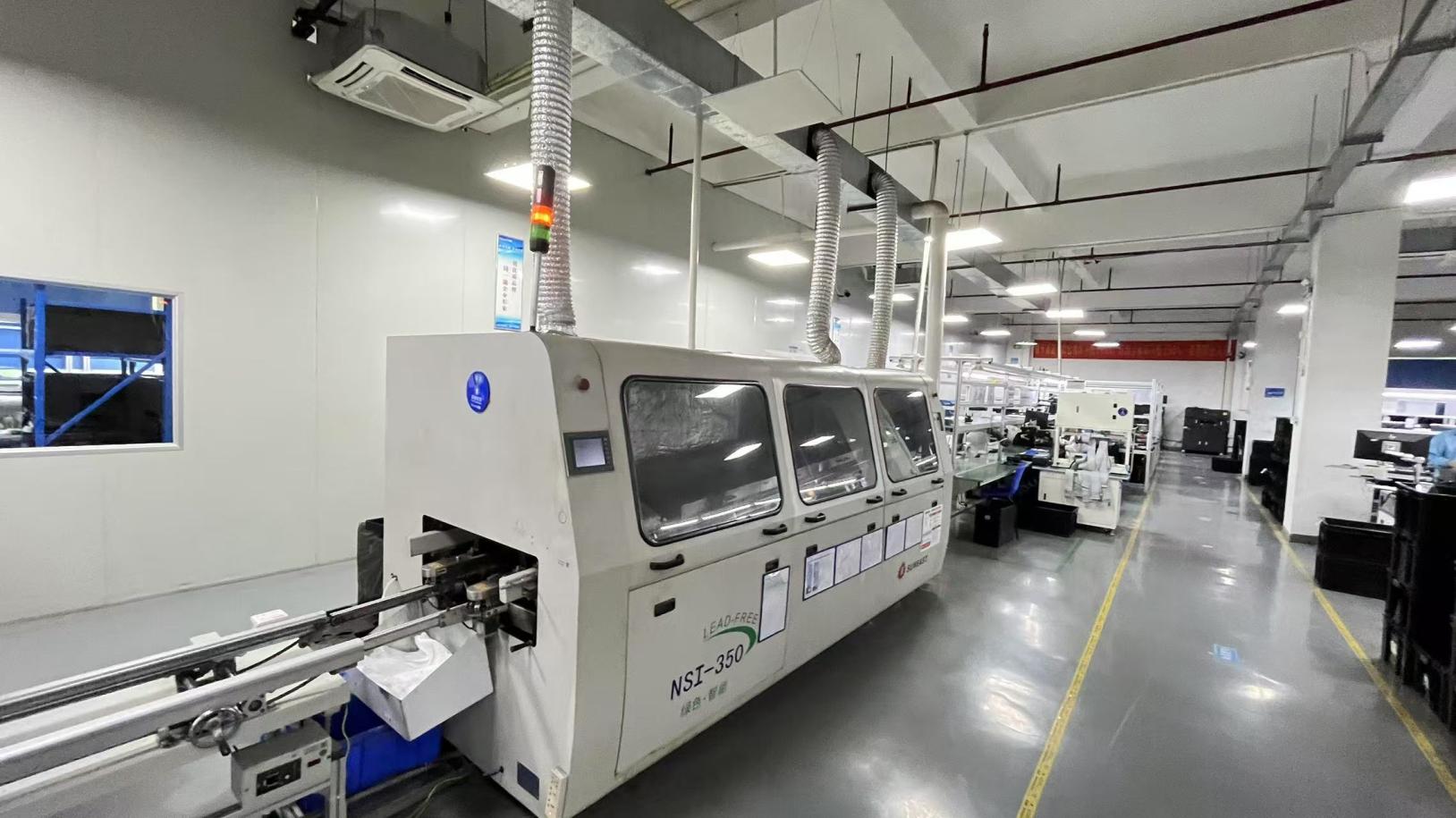
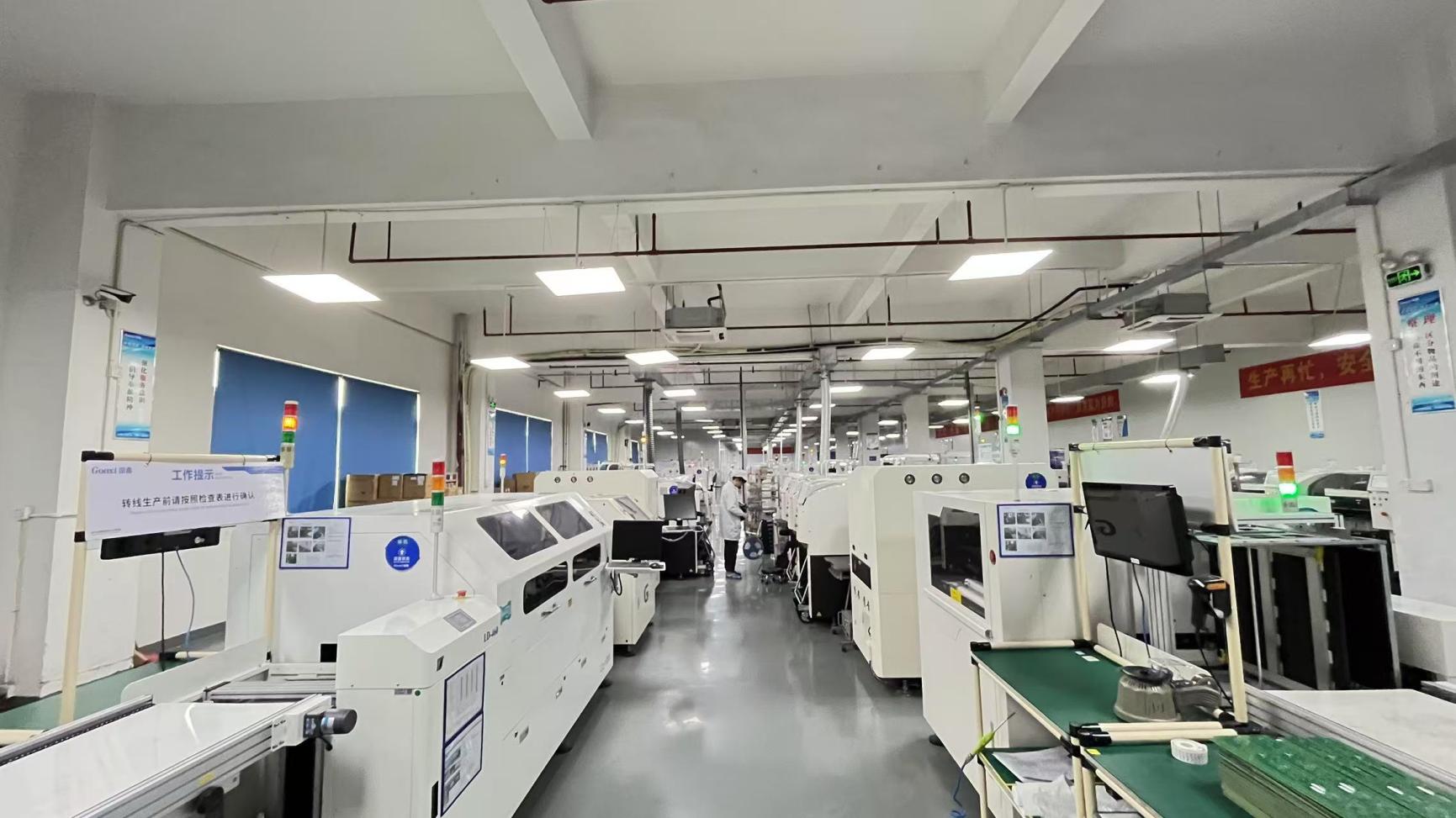
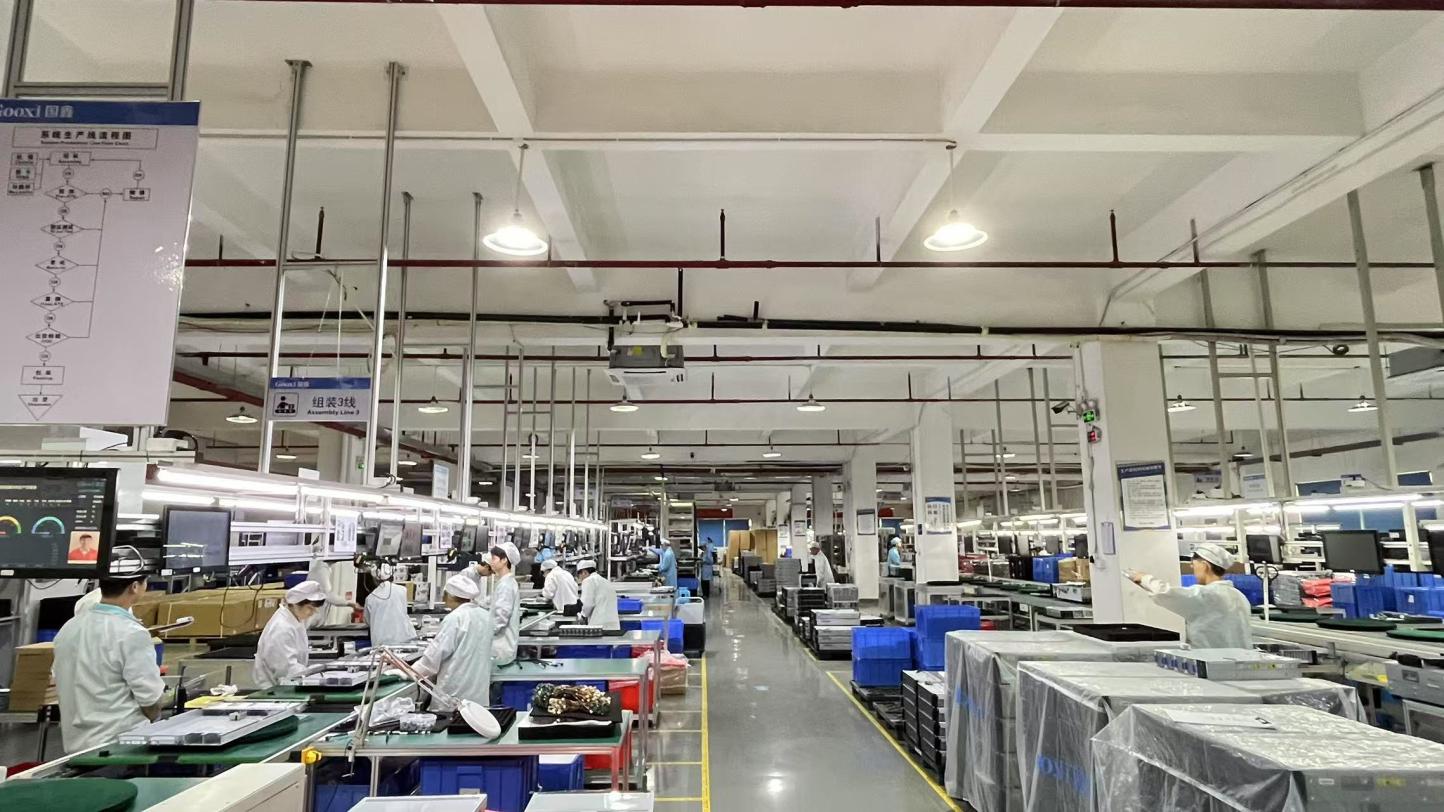
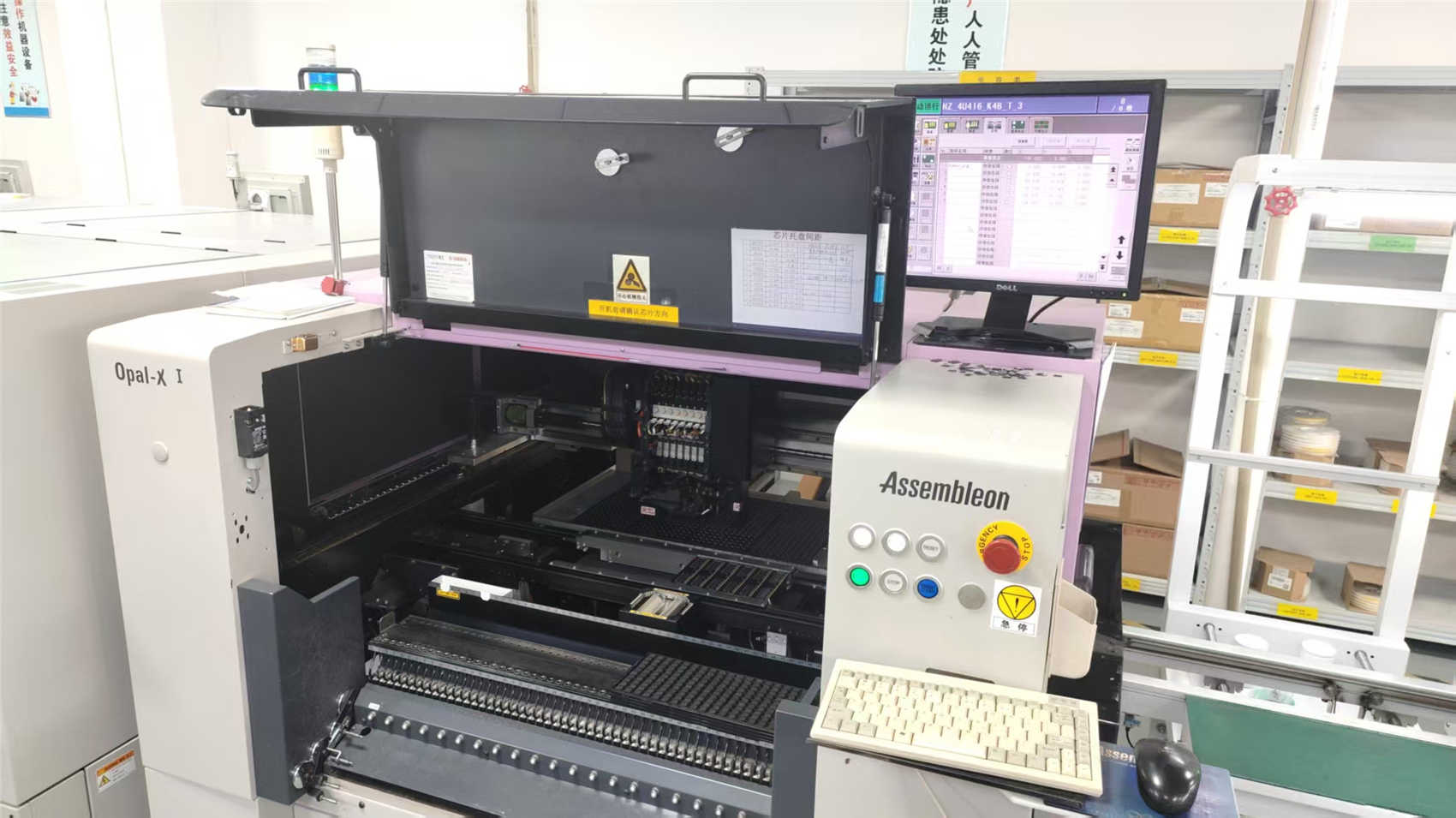
The manufacturing of modern integrated RJ45 connectors and optical components has transitioned from simple assembly to high-precision engineering. Under the Factory 4.0 paradigm, component suppliers utilize advanced automation to minimize variability. Automated winding processes for the toroidal magnetic cores inside Magjacks ensure consistent inductance performance (minimum 350µH under 8mA DC bias), avoiding manual errors.
Additionally, visual inspection is handled by automated optical inspection (AOI) systems that verify solder joint integrity, pin coplanarity within 0.1mm, and contact plating thickness. This rigorous quality control ensures that when products arrive at global distribution centers, compliance and performance remain consistent.
Founded in 2016, Zyqora Optical Technologies Co., Ltd. is a professional manufacturer and supplier of high-performance optical transceivers and fiber connectivity solutions for global data center, telecom, enterprise network, and cloud computing applications.
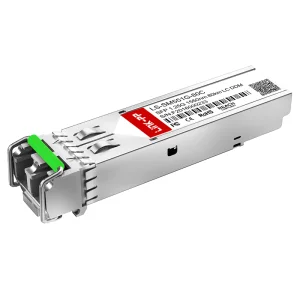
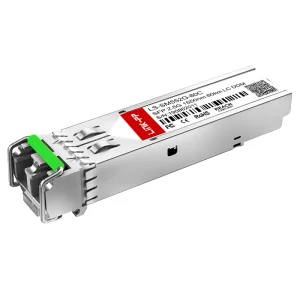
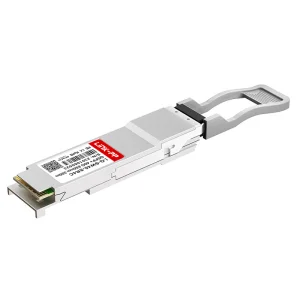
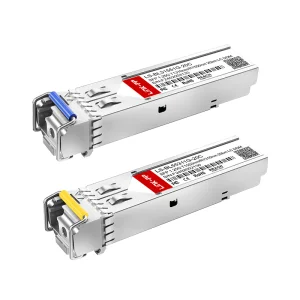
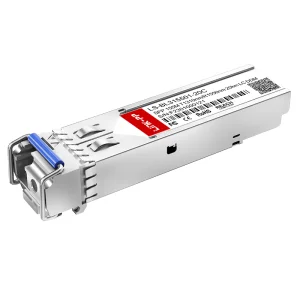
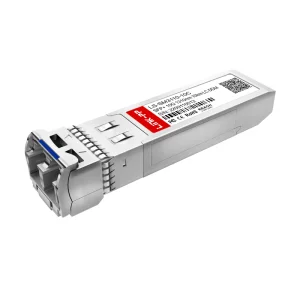
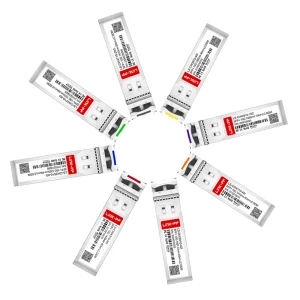
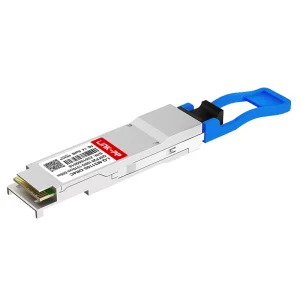
With a modern production facility covering 386 square meters, Zyqora specializes in the design, development, manufacturing, and testing of optical communication products, including SFP, SFP+, SFP28, QSFP28, QSFP-DD, OSFP, AOC, and DAC solutions. Our products are engineered to deliver reliable performance, scalability, and seamless compatibility with mainstream networking platforms.
Over the years, Zyqora has established a strong international presence, achieving annual export revenue exceeding USD 18 million. Backed by 8 years of export experience and 10 years of industry expertise, we serve customers across North America, Europe, Southeast Asia, the Middle East, and Latin America.
Quality is at the core of everything we do. Our manufacturing process is supported by comprehensive quality assurance procedures, including incoming material inspection, optical performance testing, aging tests, compatibility verification, and final product inspection. A dedicated team of 42 quality control professionals ensures that every product meets international standards and customer expectations.
As a company with both manufacturing and international trading capabilities, Zyqora has built a reliable supply network with more than 860 supply chain partners, enabling efficient sourcing, stable production, and flexible delivery schedules.
Our primary customers include telecom operators, data center providers, system integrators, network equipment distributors, and enterprise IT solution providers worldwide. To support evolving market demands, we maintain a strong research and development team focused on innovation and product optimization.
Zyqora offers comprehensive OEM and ODM services, including customized labeling, firmware coding, packaging design, and product specification development. Last year alone, the company successfully launched 168 new products to meet the growing requirements of next-generation network infrastructures.
Our R&D department consists of 65 experienced engineers specializing in optical communication technologies, high-speed transmission systems, and network interoperability solutions. Through continuous innovation and strict quality management, Zyqora remains committed to providing cost-effective, reliable, and future-ready optical networking products for customers around the world.
Zyqora – Connecting Networks with Speed, Reliability, and Innovation.
Ensuring hardware design alignment, localized technical consulting, and legal compliance across primary regional economic zones.
We provide global Field Application Engineers (FAE) to assist design teams in resolving board layout issues, footprint challenges, and signal integrity anomalies. This localized presence helps bridge the gap between design engineering and high-volume factory production.
All component designs are compliant with global trade standards, including UL flammability listings (94V-0), CE markings, FCC Part 15 subpart B, and environmental mandates like RoHS/REACH, securing trouble-free customs clearance and end-customer acceptance.
Our RJ45 connectors feature integrated TVS diode arrays protecting critical physical layer chips against electrostatic transients up to ±15kV (air) / ±8kV (contact), preventing field failures during installation and maintenance operations.
Answering critical queries raised by layout specialists, RF designers, and optical networking procurement leads.
Complementary high-speed transceivers and modular jacks designed to integrate with your existing equipment architectures.