Zyqora
Zyqora
Zyqora
Explore our core line of high-performance RJ45 connectors, integrated magnetics, and advanced optical transceiver cages engineered for reliability.
In modern industrial automation, telecommunications, and big data management, the network physical layer acts as the foundational bedrock of all operations. With the rapid progression of 5G infrastructure, smart factories, and edge computing nodes, there is an unprecedented challenge to reconcile high-capacity optical backhauls with rugged, noise-immune copper interfaces. CE certified RJ45 network hubs and modular jacks sit precisely at this critical convergence zone.
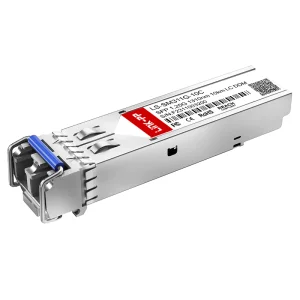
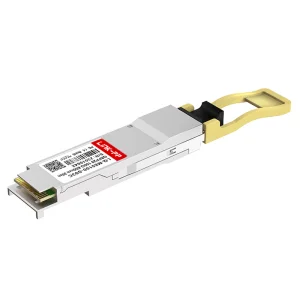
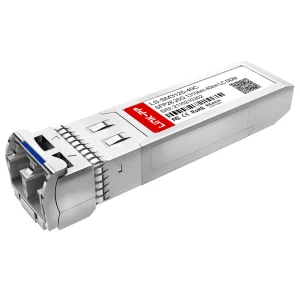
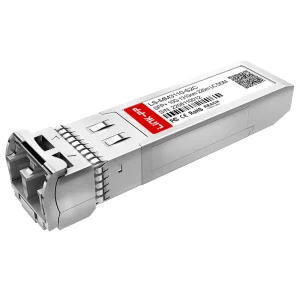
While fiber optics remain the gold standard for long-haul, ultra-high-speed data transmission (often deployed using our high-compatibility SFP, SFP28, and QSFP28 transceivers), the local connection interfaces inside manufacturing facilities, local office distribution switches, and end-device terminals heavily rely on copper RJ45 architecture. Under harsh industrial conditions, these copper interfaces are exposed to major electromagnetic interference (EMI), voltage spikes, and extreme mechanical stresses.
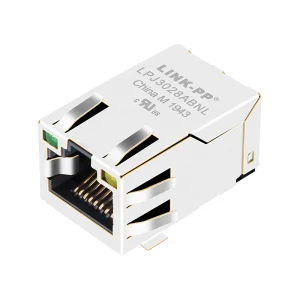
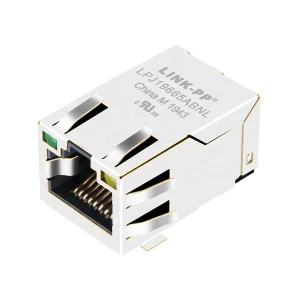
To overcome these challenges, Zyqora provides an end-to-end, integrated connectivity solution. By pairing our robust EMI-shielded RJ45 female connectors (featuring custom gold plating up to 30u") with next-generation optical transceivers, we enable seamless copper-to-fiber media conversions. Our engineering teams have developed specialized internal magnetics (integrated jacks/transformers) that isolate signal noise, mitigate return loss, and preserve wave integrity, ensuring zero data packet loss across complex, multi-layered industrial network topologies.
Deploying advanced metallic enclosures and integrated grounding tabs to neutralize the electromagnetic noise generated by high-voltage heavy machinery in industrial settings.
Engineered to handle higher current loads with minimal thermal rise, supporting Power over Ethernet up to IEEE 802.3bt standards without compromising data lines.
Utilizing high-performance engineering plastics and thermoset materials that maintain mechanical structural integrity in temperatures ranging from -40°C to +85°C.
The global demand for high-capacity Ethernet network hubs and transceiver interfaces has experienced significant shifts. European markets, in particular, impose some of the world's most stringent regulatory frameworks regarding safety, electromagnetic compatibility, and hazardous materials. Our status as a premier CE-certified RJ45 network hub factory ensures that all outgoing hardware conforms to EN 55032 and EN 55035 standards, guaranteeing safe electrical limits and robust electrostatic discharge (ESD) immunity.
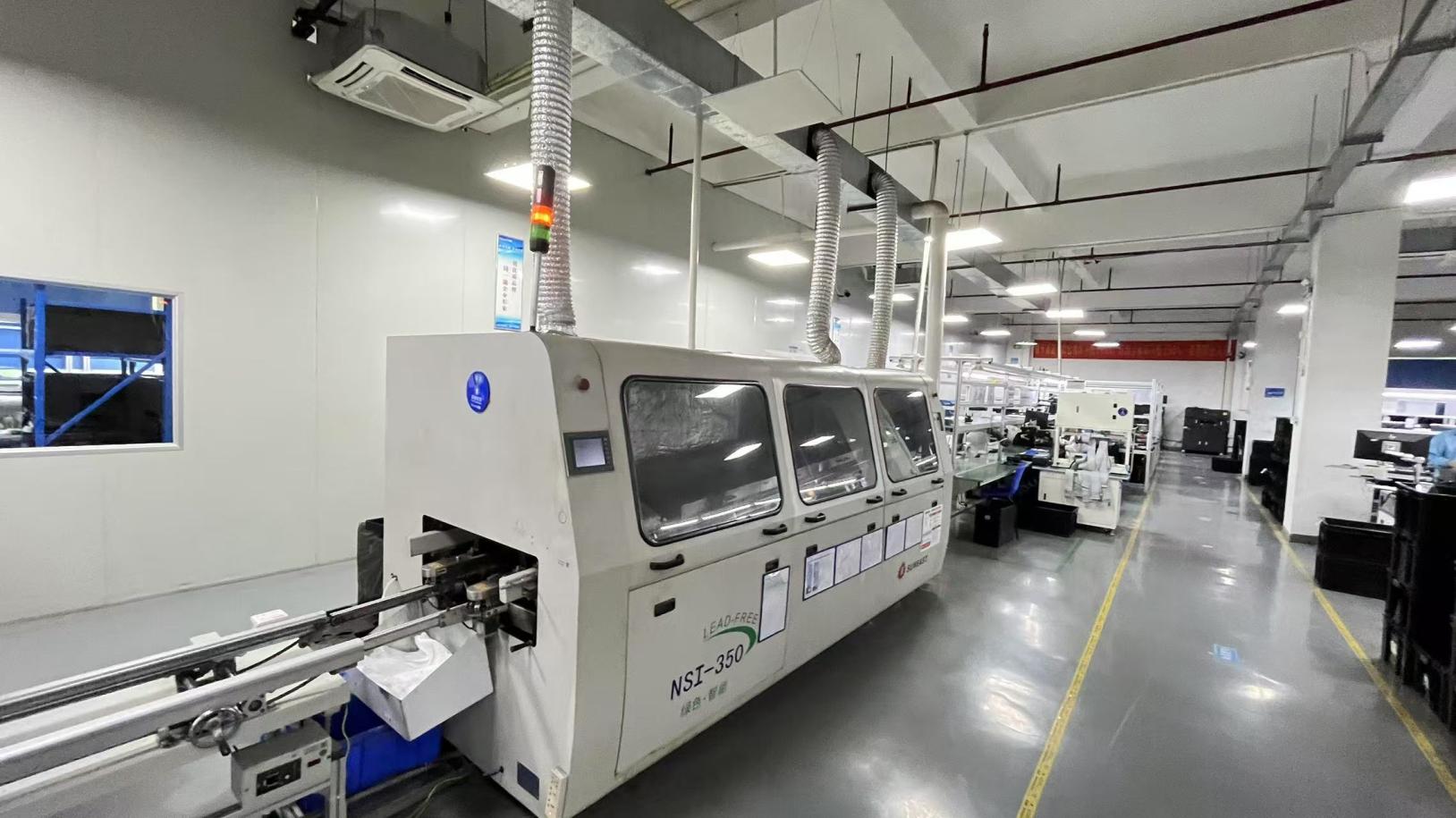
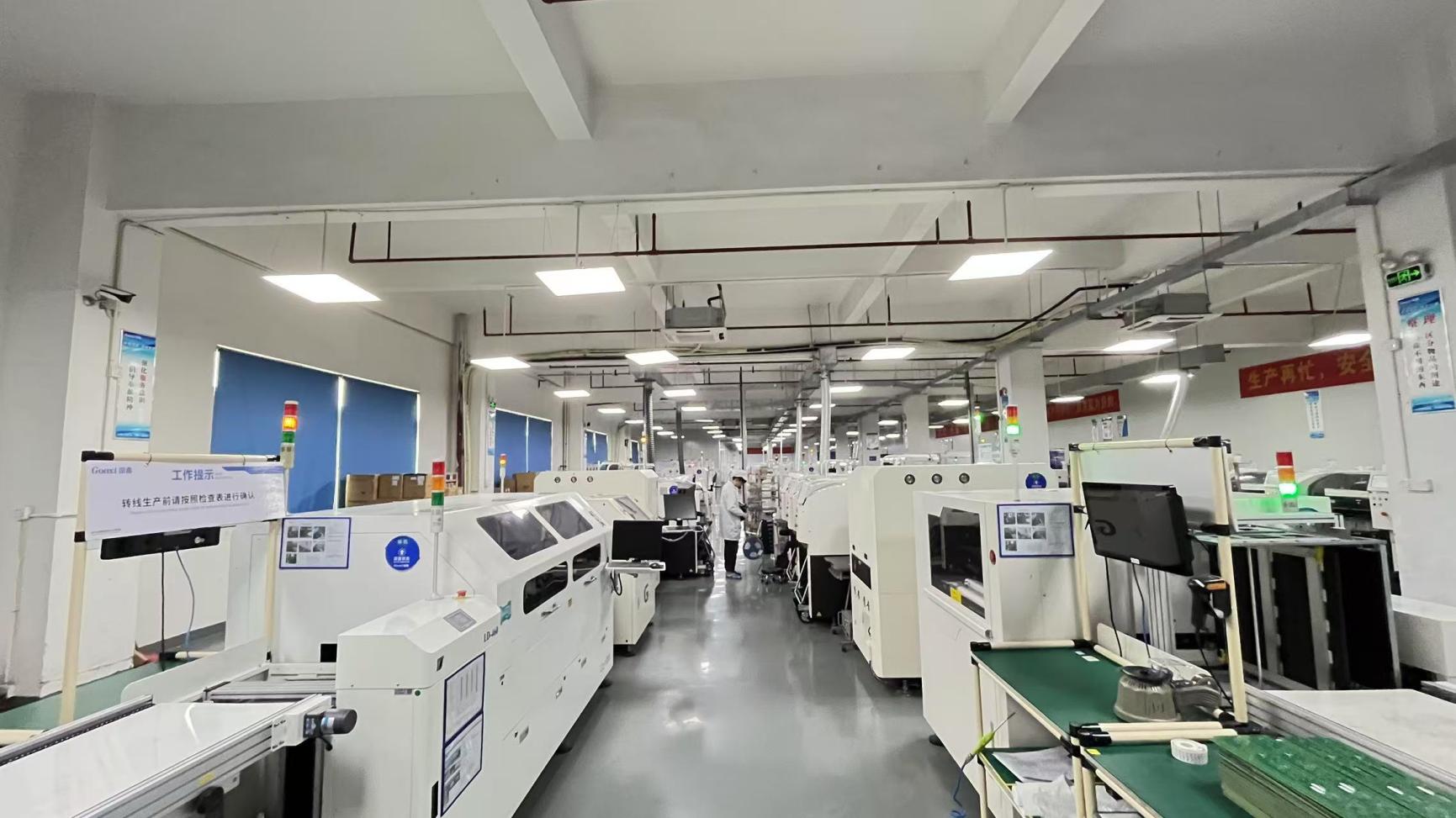
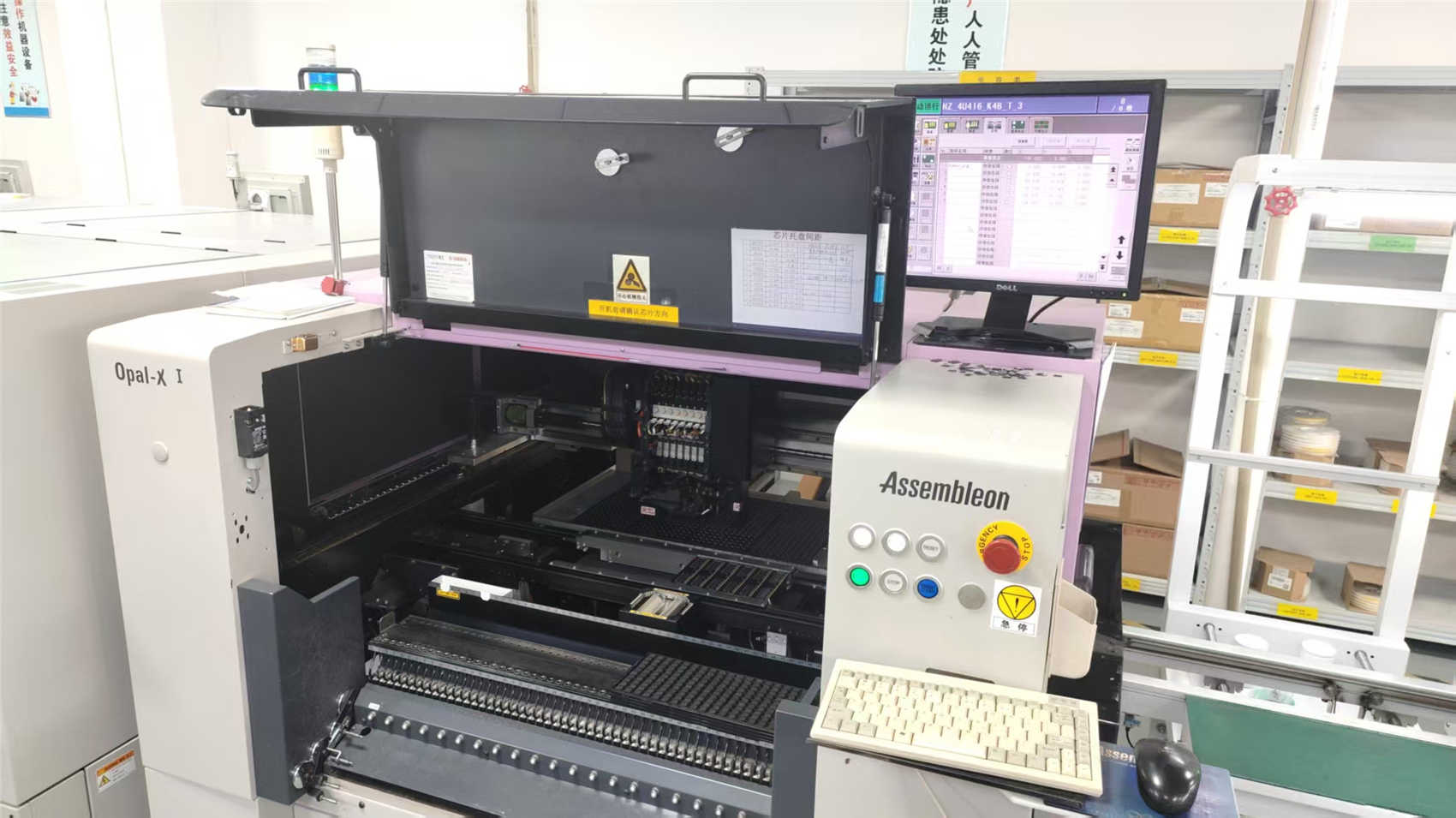
Furthermore, our global export network is built on localized support architectures. We understand that compliance is not just about a certificate; it is about guaranteeing long-term system reliability. Zyqora's localized logistics and custom engineering services provide system integrators in North America, Europe, and Latin America with specific documentation, physical testing logs, and rapid-response technical consulting. By operating a modern production facility alongside 42 dedicated quality assurance professionals, we ensure that every batch of RJ45 modular jacks and SFP cages undergo strict multi-stage testing including incoming material audits, performance tests, and high-temperature aging chambers.
Verified electromagnetic compatibility (EMC) testing ensuring that high-speed communication signals do not leak, radiate, or collapse under local grid fluctuations.
Total elimination of hazardous materials in our raw plastic resins, copper alloys, and solder terminals, ensuring environmental compliance at every step.
Continuous monitoring from incoming copper inspection through SMT precision soldering, up to optical eye-diagram inspections for high-speed transceivers.
Our network components are deployed in diverse settings worldwide, meeting the specific electrical and structural demands of localized industrial and corporate environments.
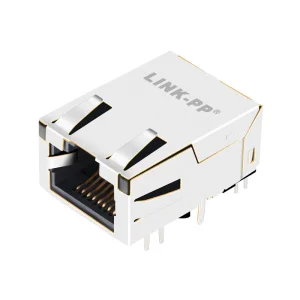
In highly automated German and Japanese assembly plants, RJ45 hubs connect robotic arms to local control layers. Our low-profile RJ-45 connectors (such as the L840 and L837 series) provide the compact spacing and high-vibration tolerances necessary for machinery cabinets, resisting mechanical wear over millions of operational cycles.
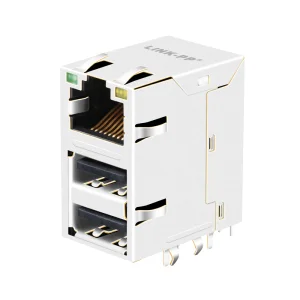
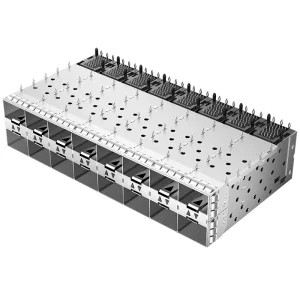
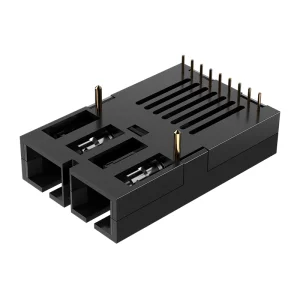
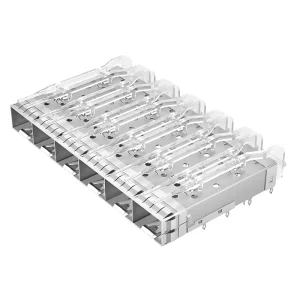
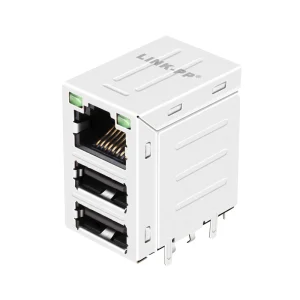
As remote processing nodes become common near metropolitan centers, physical space in outdoor utility cabinets is limited. Our integrated USB-RJ45 stacked connectors and multi-port SFP cages allow network engineers to double port density while ensuring superior heat dissipation within enclosed, fanless structures.
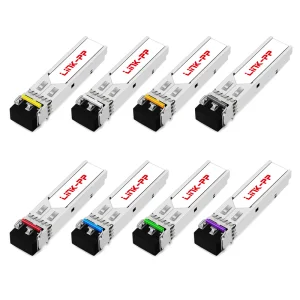
For data routing backplanes, Zyqora provides high-speed optical modules (25G CWDM and 100G QSFP28) that interface with legacy copper patch panels via shielded RJ45 modules. This dual-medium integration allows modular, cost-efficient data center scaling without full-scale overhaul of existing copper networks.
Take a closer look at our specialized manufacturing facility and QA operations, engineered to meet international safety and connectivity standards.

Founded in 2016, Zyqora Optical Technologies Co., Ltd. is a professional manufacturer and supplier of high-performance optical transceivers and fiber connectivity solutions for global data center, telecom, enterprise network, and cloud computing applications.
With a modern production facility covering 386 square meters, Zyqora specializes in the design, development, manufacturing, and testing of optical communication products, including SFP, SFP+, SFP28, QSFP28, QSFP-DD, OSFP, AOC, and DAC solutions. Our products are engineered to deliver reliable performance, scalability, and seamless compatibility with mainstream networking platforms.
Over the years, Zyqora has established a strong international presence, achieving annual export revenue exceeding USD 18 million. Backed by 8 years of export experience and 10 years of industry expertise, we serve customers across North America, Europe, Southeast Asia, the Middle East, and Latin America.
Quality is at the core of everything we do. Our manufacturing process is supported by comprehensive quality assurance procedures, including incoming material inspection, optical performance testing, aging tests, compatibility verification, and final product inspection. A dedicated team of 42 quality control professionals ensures that every product meets international standards and customer expectations.
As a company with both manufacturing and international trading capabilities, Zyqora has built a reliable supply network with more than 860 supply chain partners, enabling efficient sourcing, stable production, and flexible delivery schedules. Our primary customers include telecom operators, data center providers, system integrators, network equipment distributors, and enterprise IT solution providers worldwide.
Zyqora offers comprehensive OEM and ODM services, including customized labeling, firmware coding, packaging design, and product specification development. Last year alone, the company successfully launched 168 new products to meet the growing requirements of next-generation network infrastructures. Our R&D department consists of 65 experienced engineers specializing in optical communication technologies, high-speed transmission systems, and network interoperability solutions. Through continuous innovation and strict quality management, Zyqora remains committed to providing cost-effective, reliable, and future-ready optical networking products for customers around the world.
As we head toward 800G and 1.6T network capacities, the boundary between optical fiber backbones and local copper routing is shrinking. Zyqora's product R&D roadmap focuses on two core engineering shifts:
1. Single Pair Ethernet (SPE) & Cat8 Adaptation: For local enterprise hubs, standard RJ45 connections are scaling up to support Cat8 bandwidth (up to 40Gbps over short distances). Our engineering team is currently prototyping high-density RJ45 connectors with enhanced internal shielding and advanced magnetics designed to handle signals up to 2GHz. Additionally, Single Pair Ethernet (SPE) is being integrated into our industrial hubs to deliver power and data to IoT sensors over longer runs with half the physical footprint.
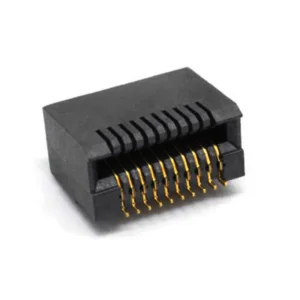
2. Co-Packaged Optics (CPO) & Transceiver Miniaturization: To lower latency and power consumption in data centers, we are researching CPO technologies, bringing optical engines closer to the central switch silicon. This design allows copper interfaces (such as our SMT RJ45 female connectors) and optical interfaces (such as our ganged SFP+ cages) to share a unified substrate, reducing thermal load and increasing signal integrity across high-speed connections.
Addressing critical engineering questions on signal integrity, standards compliance, and physical layer integration.
Explore our high-speed optical transceivers, SFP+ cages, and rugged modular jacks designed for robust corporate networks and data centers.