Zyqora
Zyqora
Zyqora
Direct-from-factory network connectors, transceiver modules, and accessories engineered to guarantee standard-compliant impedance, attenuation, and physical protection.
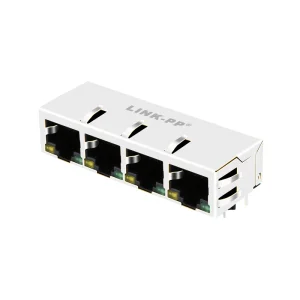
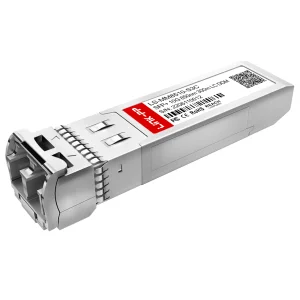
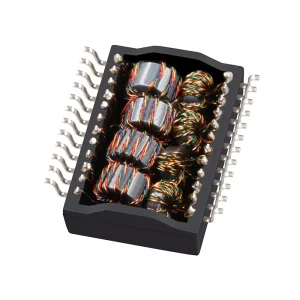
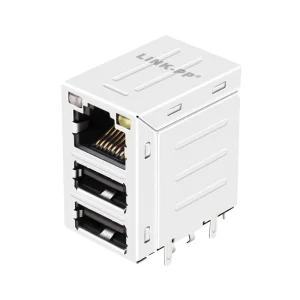
In the modern telecom and enterprise networking landscape, physical infrastructure dictates transmission reliability. The European Conformity (CE) mark is not simply a sticker; it is a legally binding declaration that the Cat5e cable complies with the rigorous requirements of safety, health, and environmental protection directives within the European Economic Area (EEA).
For a Cat5e factory to declare compliance, products must undergo stringent testing regimes mapped to harmonized standards. These include the Low Voltage Directive (LVD) 2014/35/EU, which verifies electrical insulation safety, and the Electromagnetic Compatibility (EMC) Directive 2014/30/EU, which ensures the cabling does not emit excessive electromagnetic noise or fail under external RF field exposures.
Furthermore, under the Construction Products Regulation (CPR) EU 305/2011, cabling intended for permanent installation within buildings must undergo fire behavior classification (ranging from Aca to Fca). Quality factories systematically design jackets to meet Low Smoke Zero Halogen (LSZH) criteria, limiting toxic gas emissions during thermal degradation.
Verification of LSZH (IEC 60754-1/2, IEC 61034-2) and flame propagation (IEC 60332-1-2) behavior determines legal installation eligibility across municipal projects.
Assuring standard impedance at 100MHz (100±15 Ω), return loss, insertion loss, and suppression of near-end crosstalk (NEXT) for gigabit speeds.
A deep look into the structural physics and electrical transmission metrics that separate standard factory outputs from certified, high-grade structured cabling.
| Specification Parameter | UTP (Unshielded Twisted Pair) Standards | FTP/SFTP (Shielded Twisted Pair) Standards | Testing Instrument & Verification Method |
|---|---|---|---|
| Conductor Material | 99.99% Oxygen-Free Solid Copper (24 AWG) | 99.99% Oxygen-Free Solid Copper (24 AWG) | Micro-ohmmeter electrical resistance testing |
| Insulation | High-Density Polyethylene (HDPE) Ø 0.90 mm | Foam Skin PE / HDPE Ø 1.02 mm | Mechanical elongation & tensile strength verification |
| Shielding Layer | N/A (Crosstalk minimized by pitch geometry) | AL-Foil + Tinned Copper Braiding (Coverage ≥ 60%) | Transfer Impedance & Screen Attenuation measurement |
| Jacket Compound | Flame-Retardant PVC or LSZH (EN 50290-2-27) | LSZH, UV-Resistant PE (Outdoor Applications) | IEC 60332-1-2 vertical flame spread and acid gas tests |
| Characteristic Impedance | 100 ± 15 Ω @ 1 - 100 MHz | 100 ± 15 Ω @ 1 - 100 MHz | Fluke DSX-8000 CableAnalyzer swept-frequency analysis |
| Propagation Delay Skew | ≤ 45 ns / 100m | ≤ 40 ns / 100m | Differential phase delay measurements |
Each pair is twisted with a distinct, mathematically optimized pitch ratio to cancel out electromagnetic interference and minimize Near-End Crosstalk (NEXT).
By strictly enforcing ≥99.99% oxygen-free copper (OFC), our cables guarantee minimal loop resistance (≤9.38 Ω/100m), reducing heat generation during high-power PoE transmission.
We supply individual test reports verifying attenuation-to-crosstalk ratio (ACR-F), return loss, and NEXT to ensure zero physical network installation failure rate.
A strategic breakdown of the global supply chain factors that allow Chinese facilities to provide unparalleled value, throughput, and certification compliance.
China is home to the most complete electronics manufacturing cluster. Direct access to high-purity copper smelting plants, compound chemical industries for advanced LSZH polymer pellets, and high-speed drawing machines eliminates long transit times and high logistics markups. This ensures component prices remain stable even during raw material market swings.
With high-speed automated extrusion lines running 24/7, Chinese factories deliver massive order quantities in short turnaround times. Proximity to deep-water ports like Shenzhen, Ningbo, and Shanghai simplifies international freight, allowing containers to land in European and North American logistics hubs with minimal friction.
Chinese manufacturers operate with highly versatile tooling capabilities. Whether specifying custom outer diameter jackets, customized printing legends, color coding, or specialized packaging variations (such as pull-out boxes or heavy-duty wooden reels), factories adapt easily to client specification books.
Although fiber-optic backbones (supported by Zyqora's advanced optical transceivers) drive modern cloud infrastructures, copper medium twisted-pair cabling remains the primary choice for the final 100-meter distribution network. CE certified Cat5e cabling is uniquely positioned to handle massive data rates and cost-effective distribution.
When engineering high-density PoE infrastructures, verify these key metrics to prevent cable damage and signal attenuation:
| Factor | Limit Specification |
|---|---|
| Operating Temperature Range | -40°C to +75°C |
| Max Bundle Size (100W PoE) | 24 Cables Max (bundled) |
| Conductor Resistance Match | ≤ 5% unbalance within pairs |
Vetting industrial factories requires a thorough validation checklist. Below is our systematic matrix to guide your technical sourcing team during factory audits.
Always request the CE certificates directly, and verify that the issuing house is an accredited Notified Body. Authentic certificates list corresponding LVD and EMC testing reports, and display verified product categories and manufacturing facility addresses.
Ensure you avoid CCA (Copper Clad Aluminum) substitutes in applications requiring PoE or high physical tension. Confirm that only pure Oxygen-Free Copper (OFC) wire is used. CCA cables exhibit 55% higher electrical resistance than pure copper, which can lead to fire risks and signal loss.
Verify that factories run continuous testing on their extrusion lines. Demand Fluke verification testing logs showing Return Loss and NEXT headroom values. These tests should be performed on randomized samples from every single batch prior to shipment.
Combining world-class optical transmission technology and copper network solutions to support next-generation enterprise networks.
Founded in 2016, Zyqora Optical Technologies Co., Ltd. is a professional manufacturer and supplier of high-performance optical transceivers and fiber connectivity solutions for global data center, telecom, enterprise network, and cloud computing applications.
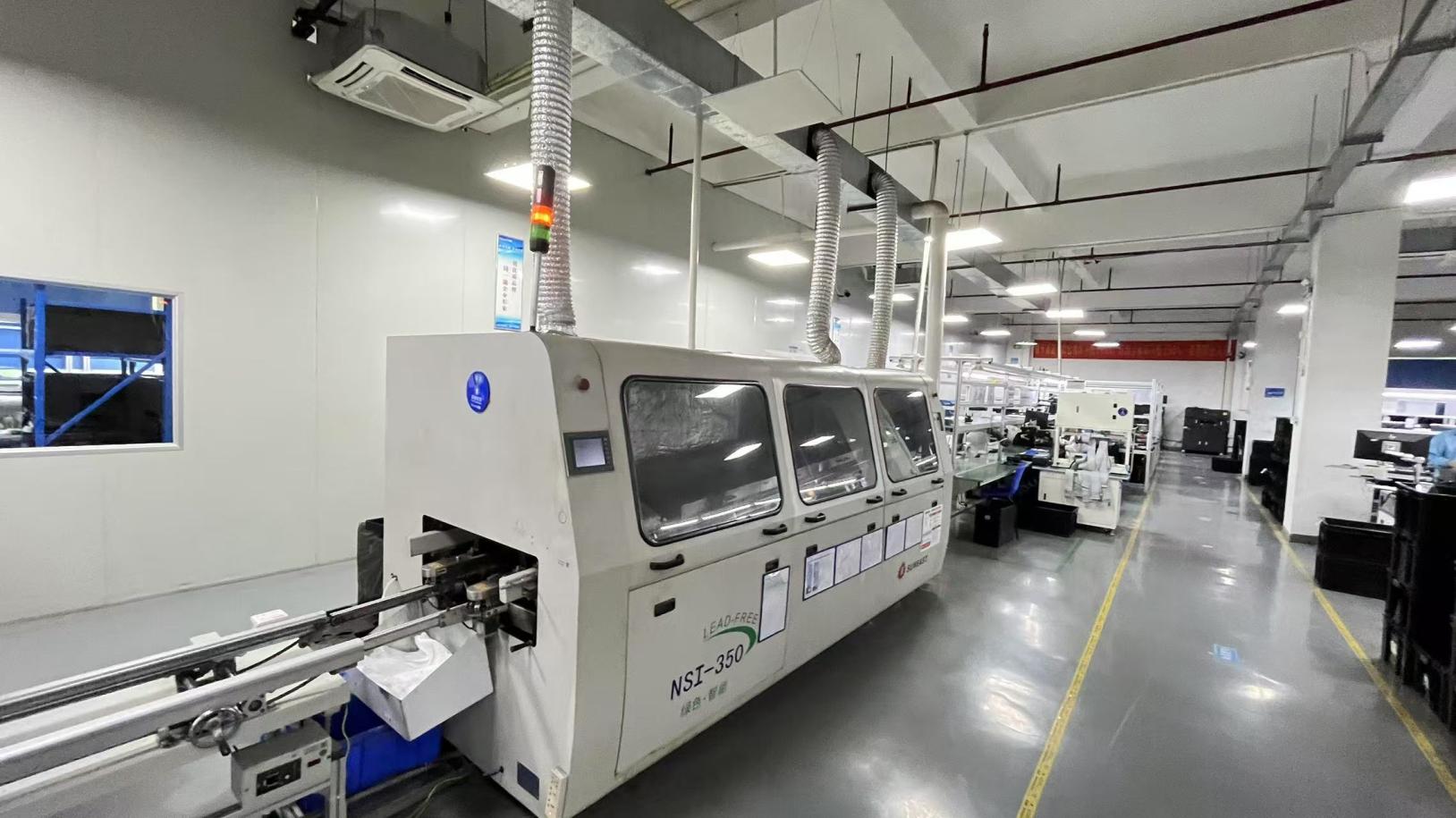
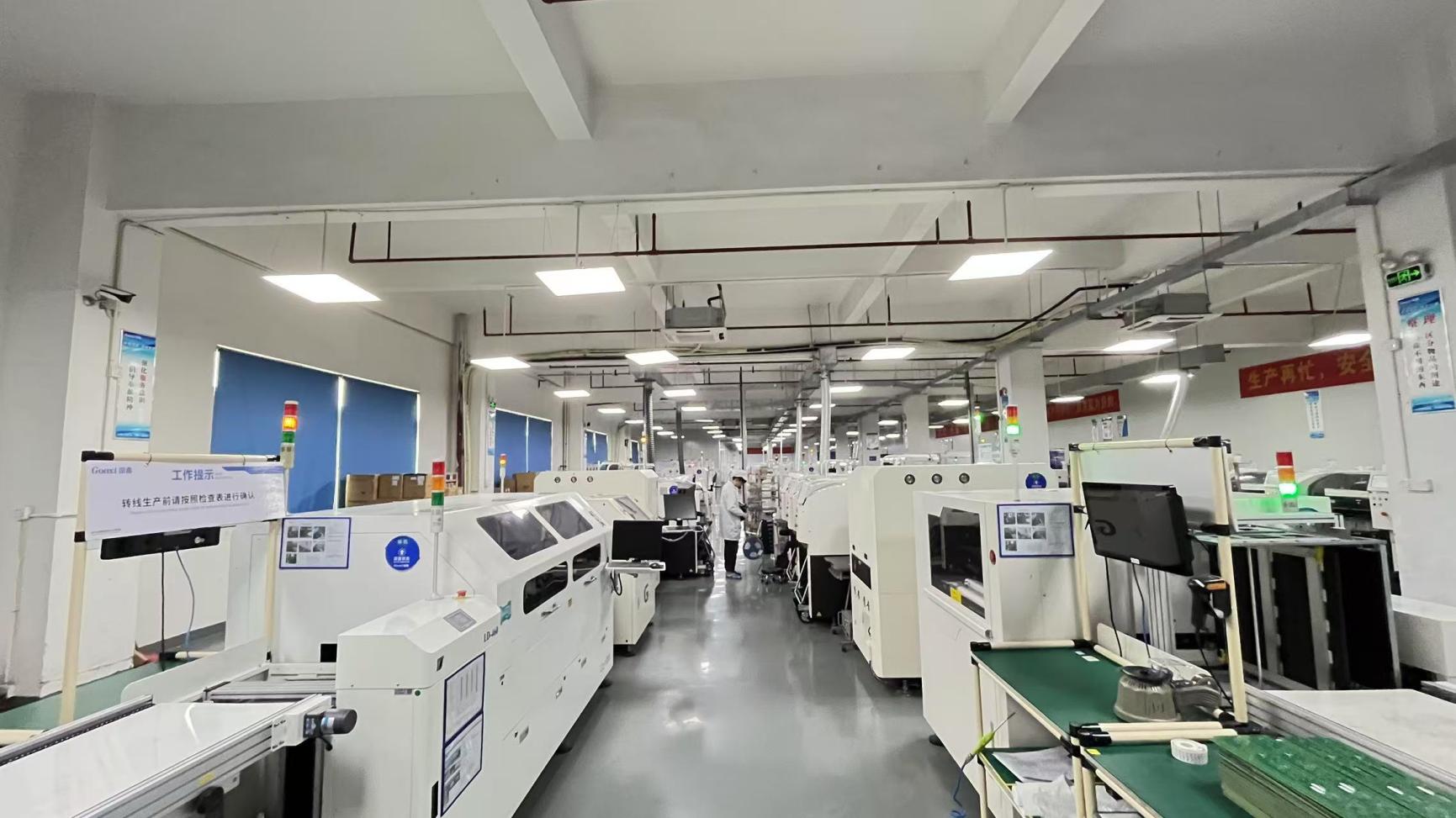
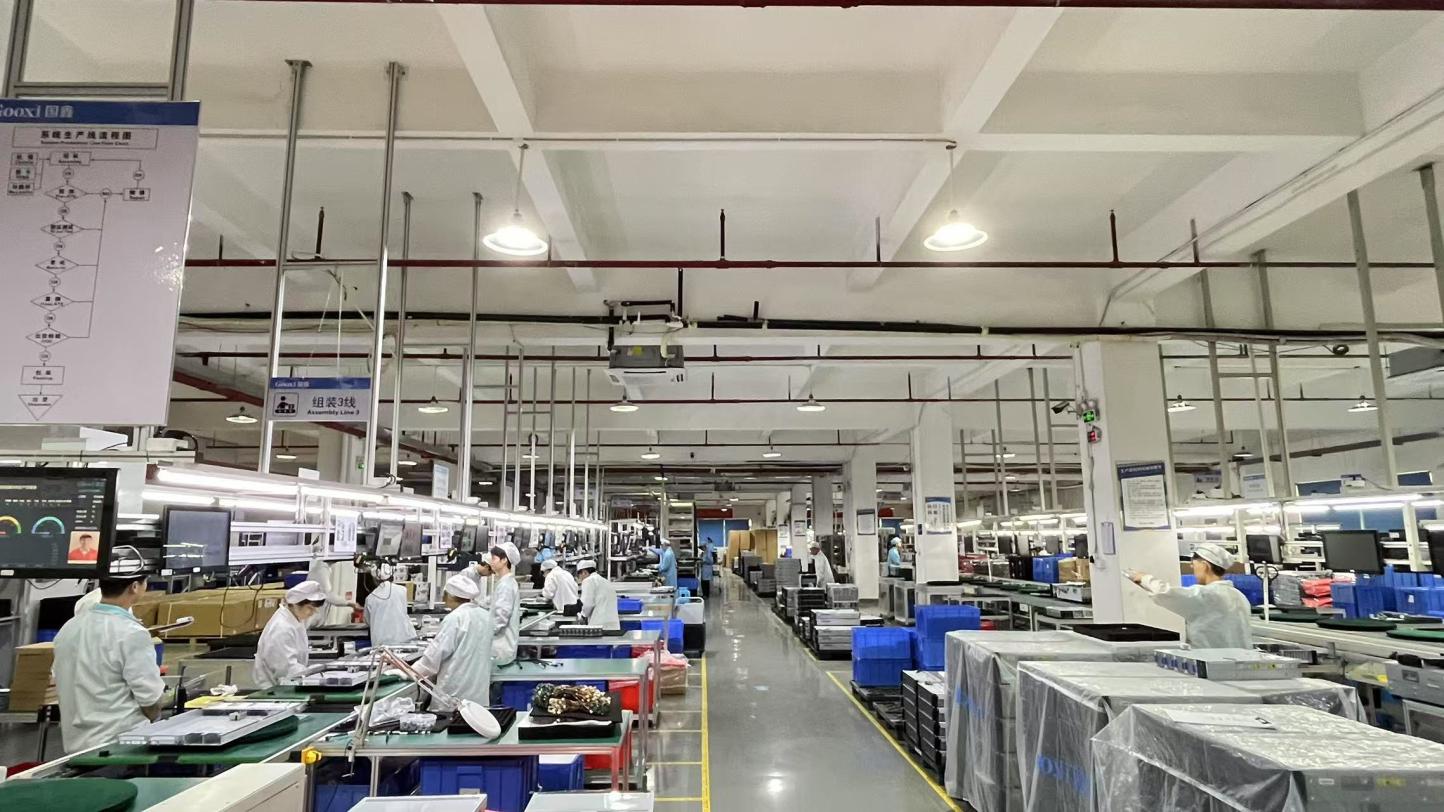
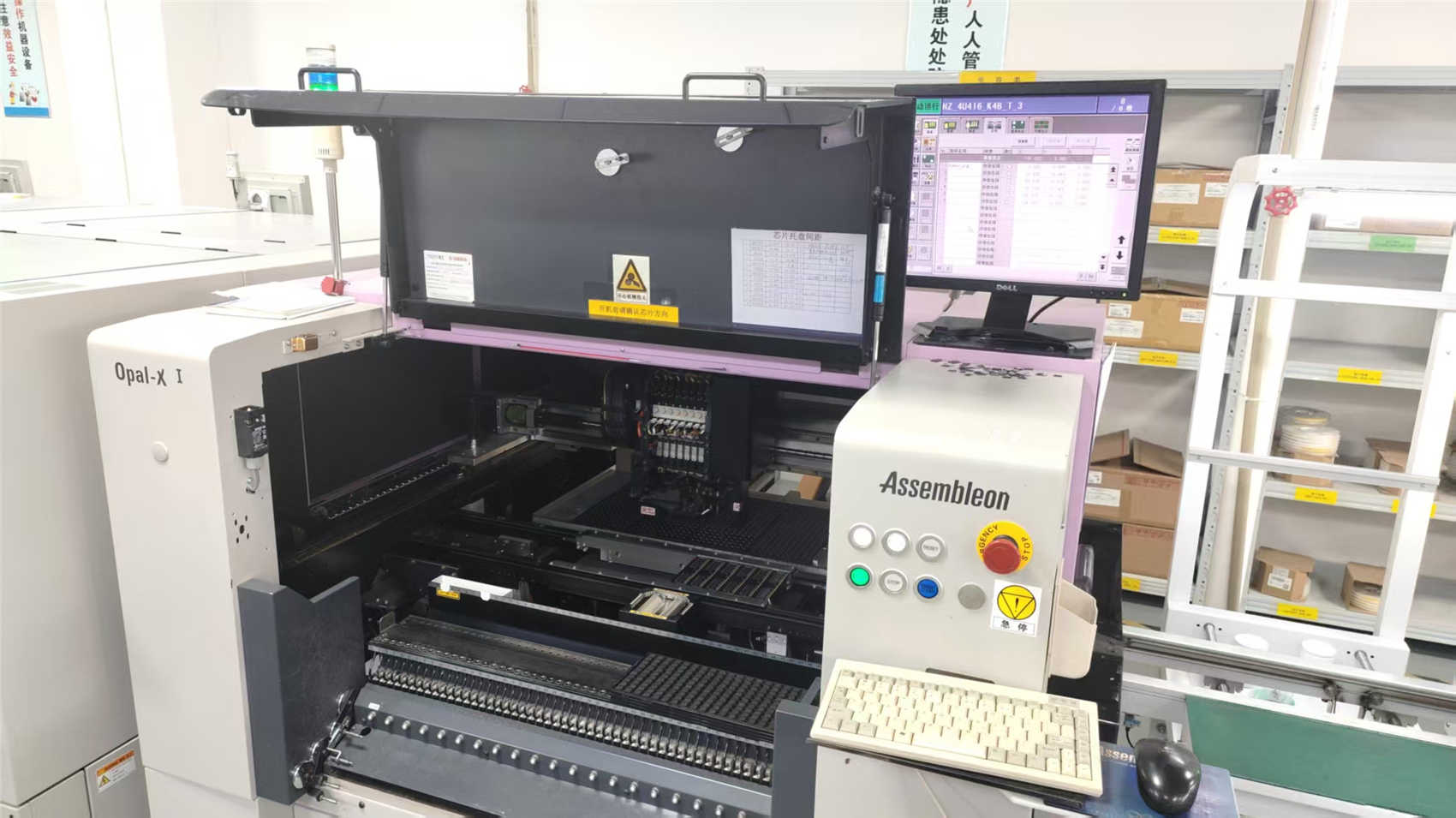
With a modern production facility covering 386 square meters, Zyqora specializes in the design, development, manufacturing, and testing of optical communication products, including SFP, SFP+, SFP28, QSFP28, QSFP-DD, OSFP, AOC, and DAC solutions. Our products are engineered to deliver reliable performance, scalability, and seamless compatibility with mainstream networking platforms.
Over the years, Zyqora has established a strong international presence, achieving annual export revenue exceeding USD 18 million. Backed by 8 years of export experience and 10 years of industry expertise, we serve customers across North America, Europe, Southeast Asia, the Middle East, and Latin America.
Quality is at the core of everything we do. Our manufacturing process is supported by comprehensive quality assurance procedures, including incoming material inspection, optical performance testing, aging tests, compatibility verification, and final product inspection. A dedicated team of 42 quality control professionals ensures that every product meets international standards and customer expectations.
As a company with both manufacturing and international trading capabilities, Zyqora has built a reliable supply network with more than 860 supply chain partners, enabling efficient sourcing, stable production, and flexible delivery schedules.
Our primary customers include telecom operators, data center providers, system integrators, network equipment distributors, and enterprise IT solution providers worldwide. To support evolving market demands, we maintain a strong research and development team focused on innovation and product optimization.
Zyqora offers comprehensive OEM and ODM services, including customized labeling, firmware coding, packaging design, and product specification development. Last year alone, the company successfully launched 168 new products to meet the growing requirements of next-generation network infrastructures.
Our R&D department consists of 65 experienced engineers specializing in optical communication technologies, high-speed transmission systems, and network interoperability solutions. Through continuous innovation and strict quality management, Zyqora remains committed to providing cost-effective, reliable, and future-ready optical networking products for customers around the world.
Zyqora – Connecting Networks with Speed, Reliability, and Innovation.
How engineering designs combine the bandwidth density of optical systems with the local flexibility of Cat5e ethernet cabling.
Modern telecom infrastructures do not rely on a single cabling medium. To achieve optimal performance and cost-efficiency, network designers deploy hybrid models. In these architectures, high-performance fiber-optic transceivers handle long-distance and vertical riser links, while copper cables provide local distribution.
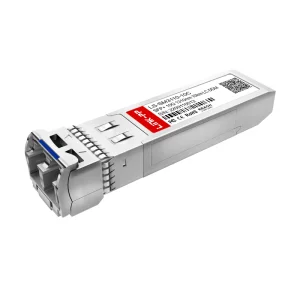
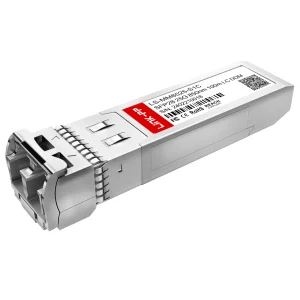
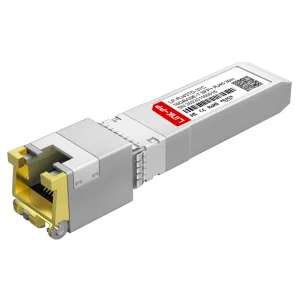
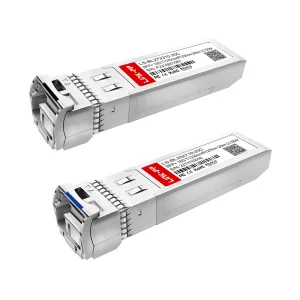
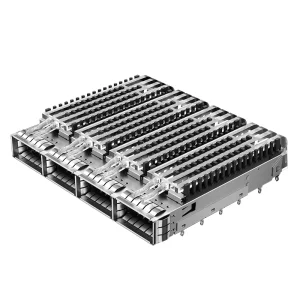
For example, 10G SFP+ modules or 25G SFP28 transceivers are used to connect backbone switches in central server rooms. From these switches, RJ45 distribution hubs feed copper Cat5e cables to local devices like office PCs, CCTV cameras, and PoE access points.
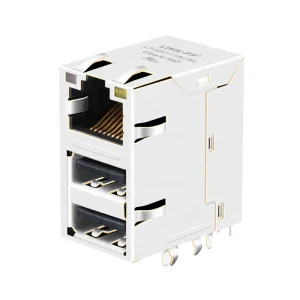
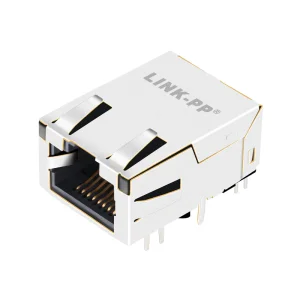
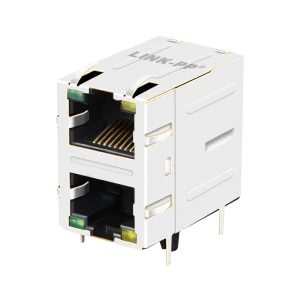
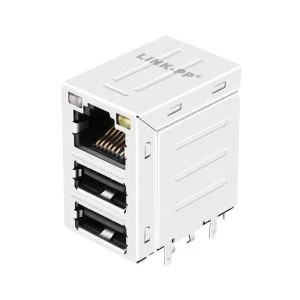
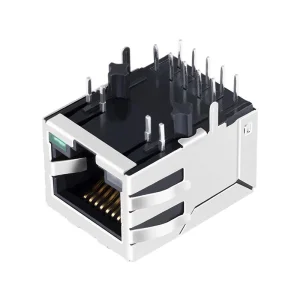
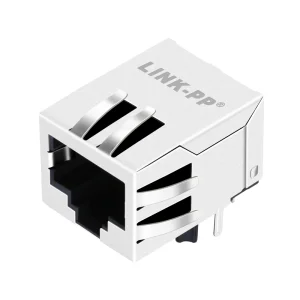
This hybrid approach balances performance and deployment cost. High-speed backplane signals are converted to copper ethernet using modern media converters and RJ45 modular jacks, keeping installation costs down while delivering robust bandwidth across the entire network.
Get answers to common technical, testing, and regulatory compliance questions regarding CE certified Category 5e cabling solutions.
CE marking for communication cables requires compliance with the Low Voltage Directive (LVD) 2014/35/EU (which evaluates safety for equipment operating between 50-1000V AC), the Electromagnetic Compatibility (EMC) Directive 2014/30/EU, the RoHS Directive 2011/65/EU (confirming restriction of hazardous substances), and the Construction Products Regulation (CPR) EU 305/2011.
CCA cables consist of an aluminum core coated with a thin layer of copper. They are significantly cheaper but have much higher DC resistance than pure copper cables. This higher resistance leads to signal degradation over long distances and can cause overheating when used for Power over Ethernet (PoE) applications, making CCA unsuitable for modern PoE standards.
UTP (Unshielded Twisted Pair) relies on precision-twisted pairs to reduce interference, making it cost-effective and easy to install. FTP (Foiled Twisted Pair) adds an overall aluminum foil shield to protect against external EMI. SFTP (Shielded Foiled Twisted Pair) features both an aluminum foil wrap and a tinned copper braid shield, offering the highest level of protection against electromagnetic interference in noisy industrial environments.
The Fluke CableAnalyzer verifies wire map (ensuring correct pinout termination), propagation delay, delay skew, loop resistance, insertion loss (attenuation), Near-End Crosstalk (NEXT), Power Sum NEXT (PS-NEXT), Return Loss, and ACR-F (Attenuation-to-Crosstalk Ratio Far-End).
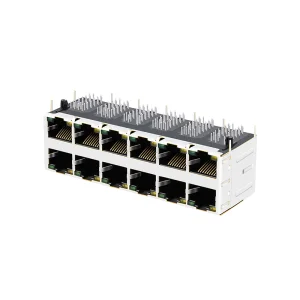
Complete your hybrid copper-fiber deployments with our certified SFP modules, shielded connectors, and multi-port RJ45 modular jacks.