 Zyqora
Zyqora
Zyqora
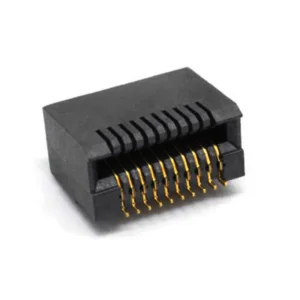
Engineered to meet Tokyo's demanding network environments, our primary hardware solutions deliver raw 5Gbps speeds, low insertion losses, and customized gold plating thicknesses to prevent oxidation under high humidity.
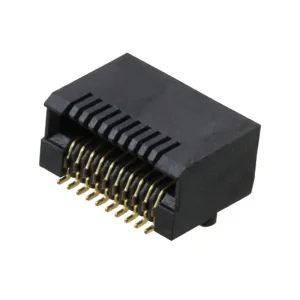
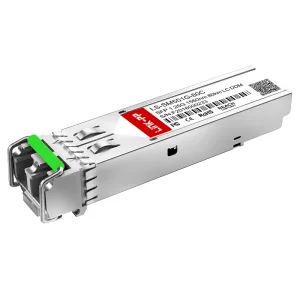
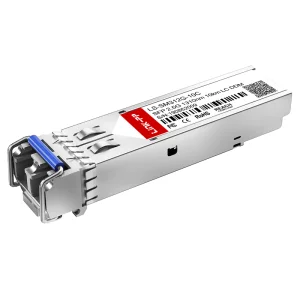
Tokyo represents one of the world's most dense clusters of high-performance computing, financial exchanges, and telecommunications backbones. The districts of Otemachi, Nihonbashi, and Toyosu act as the nerve centers for Japanese enterprise networks, while high-frequency trading (HFT) platforms in the vicinity of the Tokyo Stock Exchange (Kabutocho) demand sub-millisecond execution speeds. In these ultra-low latency environments, physical interconnects, including SFP cages and multi-port SFP interfaces, play an irreplaceable role.
A single microsecond of signal deviation caused by high contact resistance or electromagnetic interference (EMI) can result in significant financial losses. Consequently, Tokyo's telecommunications infrastructure has transitioned to advanced SFP architectures characterized by high copper alloy purity, 30u" gold plating thickness, and robust EMI grounding fingers. Our factory configurations directly support these standards, mitigating signal attenuation and preventing corrosion in Japan's coastal climate.
Optimized internal contact path geometry minimizes return loss and skew rates for high-frequency signal paths.
Designed with integrated metal fingers and spring tabs that suppress electromagnetic radiation up to 40 GHz.
100% automated optical inspection (AOI) and insertion force profiling prior to export shipment.
Data centers in Tokyo operate under continuous environmental dynamics. Seismic vibration dampeners protect server racks, but local structural vibration can still induce micro-motion wear on physical connector contacts, a phenomenon known as fretting corrosion. By manufacturing SFP SMT interfaces with high-specification copper-tin alloys and hard-gold contact finishes (30u" thickness), Zyqora ensures high mechanical stability over thousands of insertion cycles.
When choosing between SMT and Press-Fit designs for high-speed network interfaces, engineers must evaluate the mechanical load profile of the host PCB:
| Engineering Parameter | SMT (Surface Mount Technology) | Press-Fit (Through-Hole Compliant Pin) |
|---|---|---|
| Seismic Vibration Tolerance | Moderate. High dependence on solder joint ductility. | Excellent. Elastic deformation of pins maintains contact pressure. |
| Reworkability / Repair | Difficult. Requires precision reflow or hot-air rework station. | Straightforward. Cold-press removal and replacement. |
| Data Rates Supported | High. SMT provides shorter signal runs and lower parasitic capacitance. | Ultra-high. Modern press-fit configurations support up to 112 Gbps PAM4. |
| Sealing and EMI Shielding | Dependent on auxiliary EMI gasket and spring fingers. | Superior. Through-hole shielding pins block internal cross-talk. |
Established in 2016, Zyqora Optical Technologies Co., Ltd. is a specialized manufacturer and global developer of high-performance optical transceivers and high-speed fiber connectivity components. We cater to telecommunication networks, data center infrastructures, enterprise operations, and cloud providers worldwide.
Our modern fabrication facility features advanced assembly lines, cleanrooms, and testing setups. We focus on the design, production, and verification of SFP, SFP+, SFP28, QSFP28, QSFP-DD, OSFP, AOC, and DAC systems, ensuring compatibility with mainstream hardware manufacturers.
Backed by over 8 years of international logistics experience, Zyqora supports global operations, generating an annual export value of more than USD 18 million. We serve networks across North America, Europe, Asia-Pacific, and Latin America.
Our quality management procedures cover every production stage—from incoming raw material inspection (IQC), optical transmission validation, dynamic temperature environmental aging tests, to final out-of-box compatibility validation.
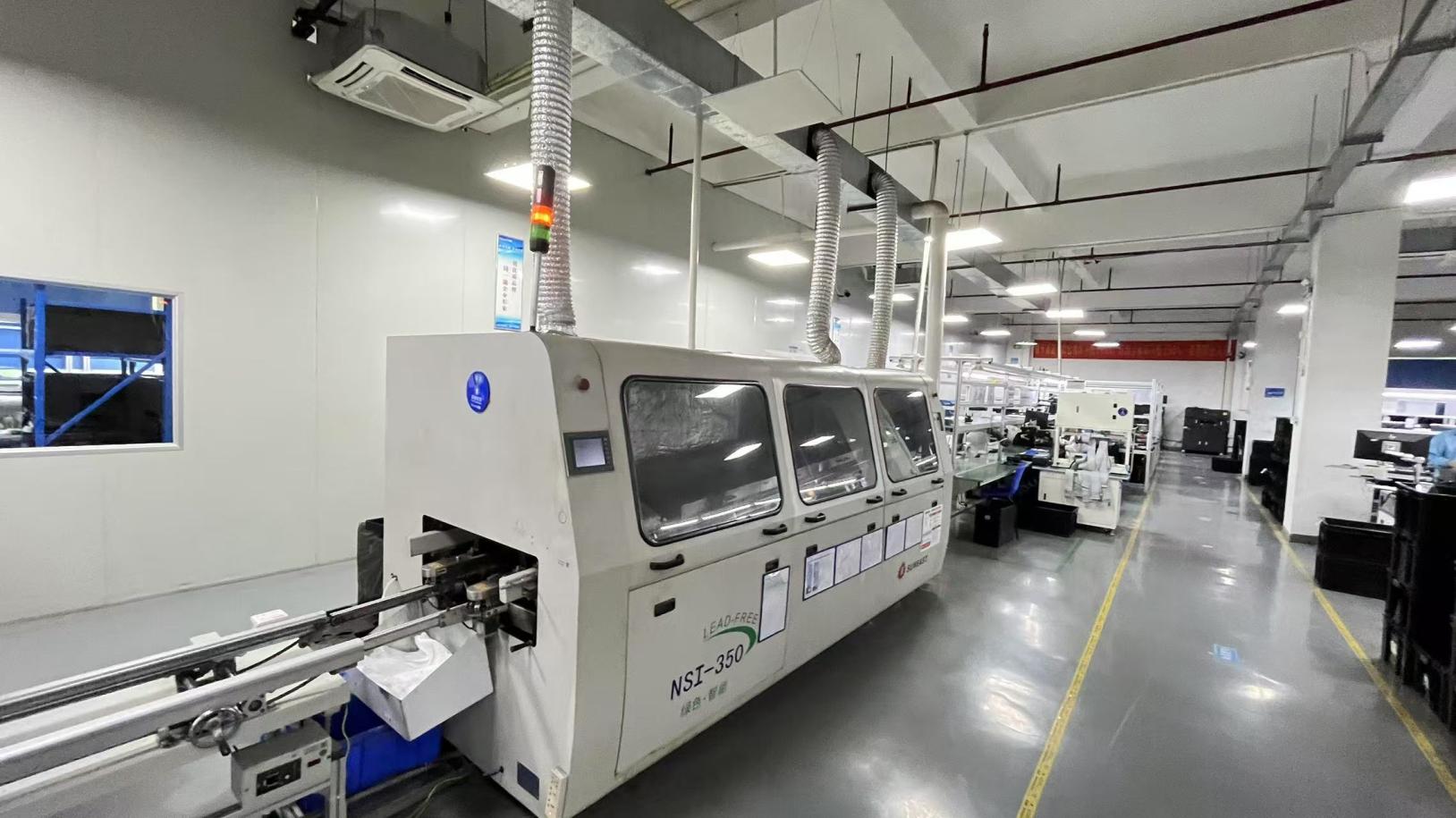
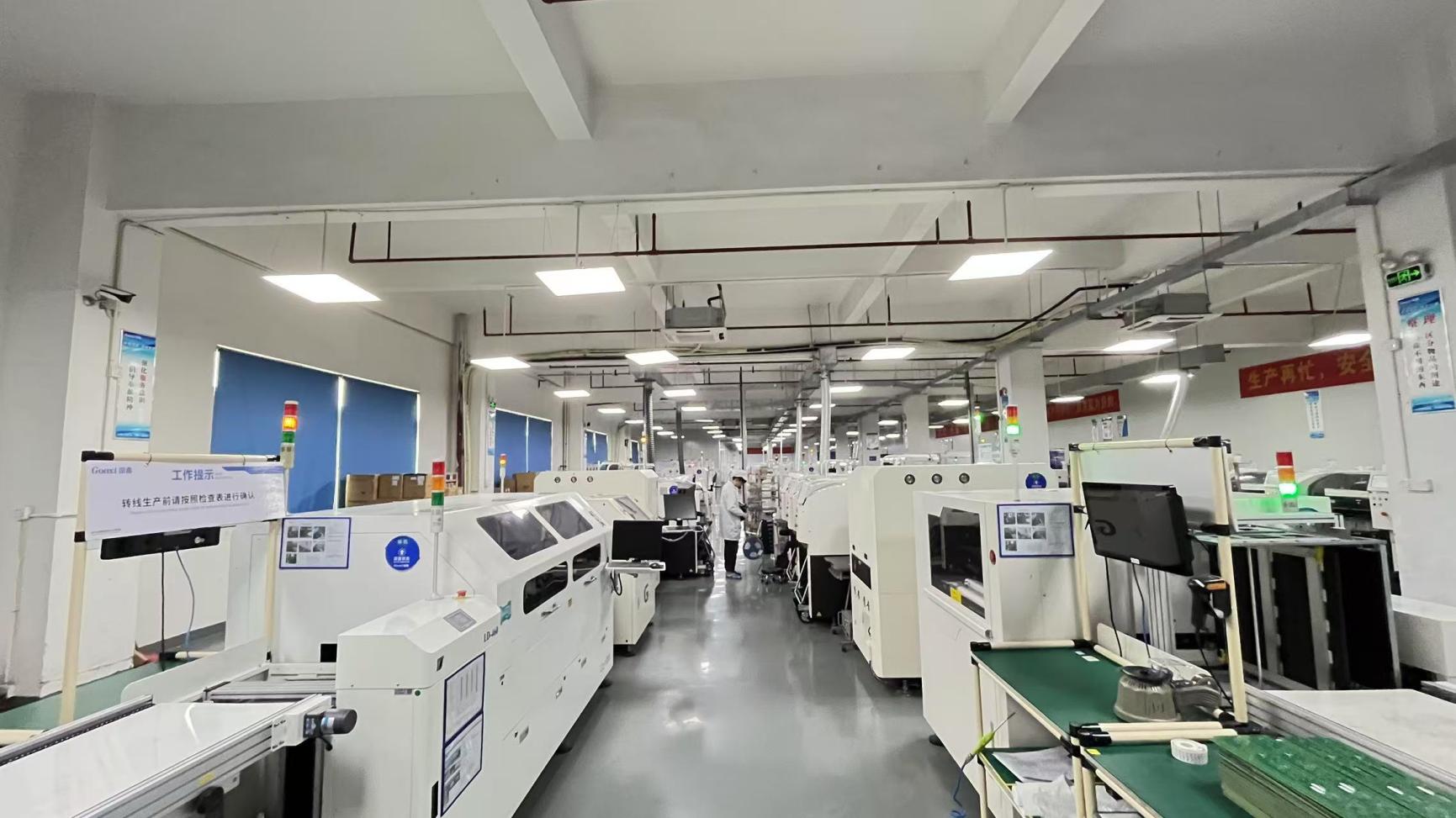
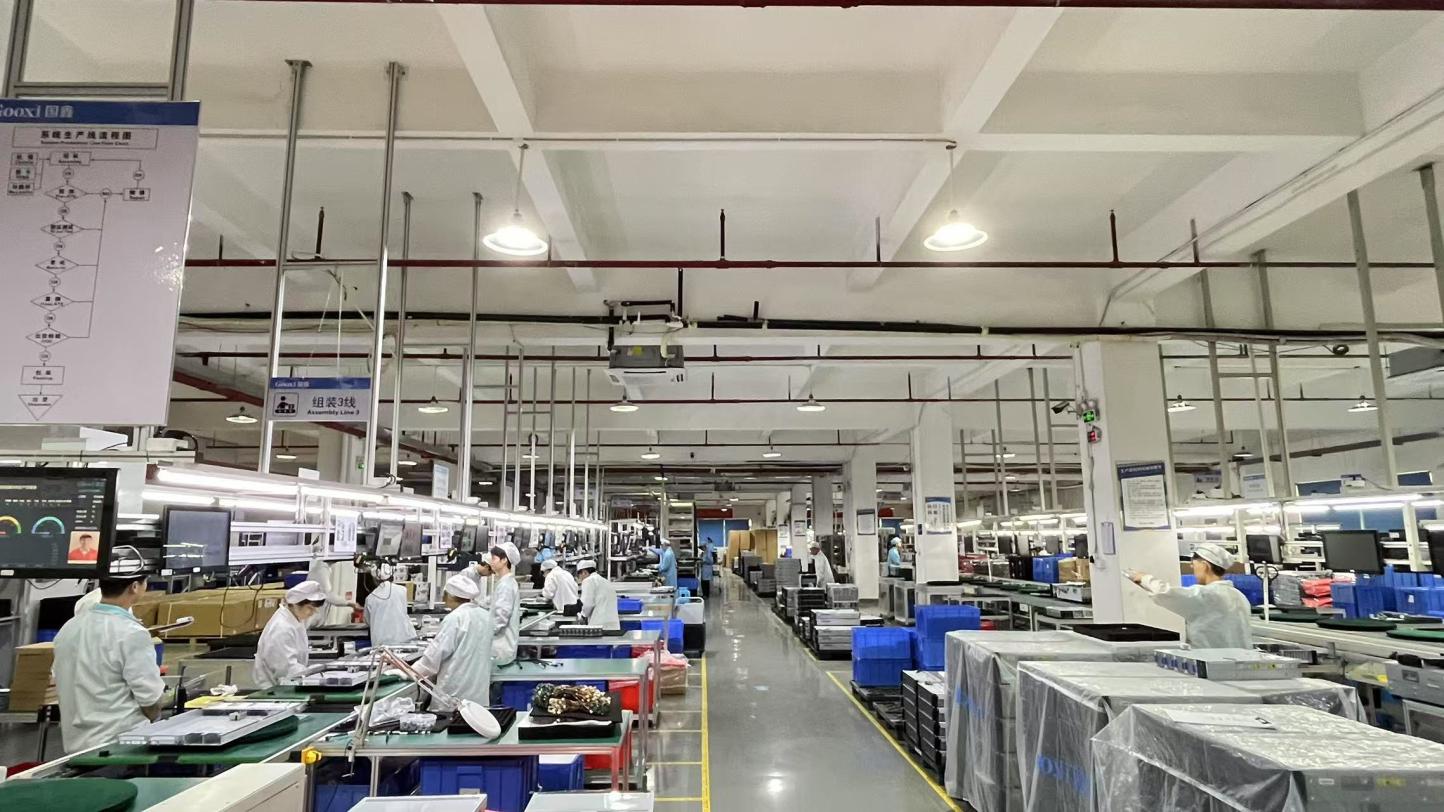
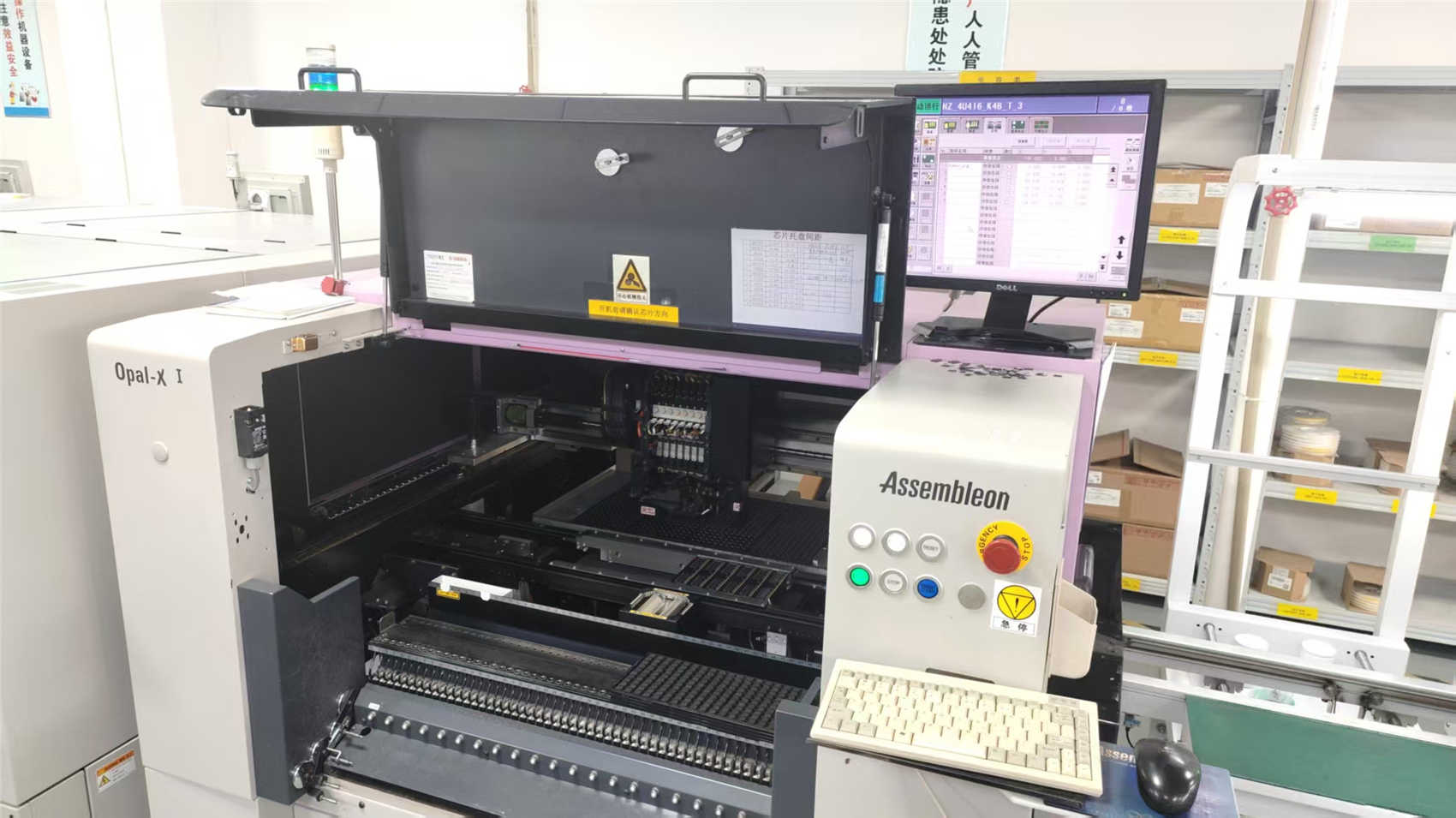
Through our direct factory channels, Zyqora provides high-speed optical transceivers and interconnect systems from China directly to Tokyo's primary distribution nodes. Key advantages of our model include:
We design and manufacture components to satisfy international regulatory guidelines. For Tokyo infrastructure projects, our SFP connectors and transceiver modules conform to:
RoHS / REACH: Strict control over lead, mercury, hexavalent chromium, and polybrominated biphenyl concentrations to comply with Japanese Green Procurement standards.
TELEC & VCCI: Electrical isolation barriers and shielding designs that satisfy Class B radiated emission criteria, avoiding interference with nearby server systems.
Explore our selection of SFP, SFP+, QSFP28 cages, and RJ45 ethernet modules optimized for clean digital signal transmission.
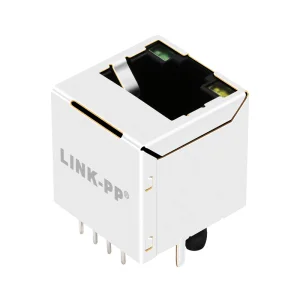
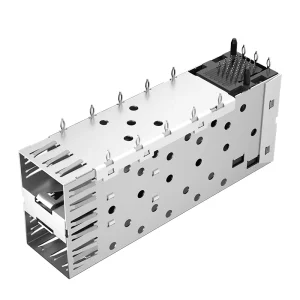
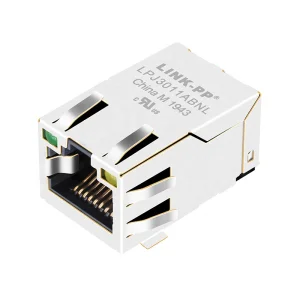
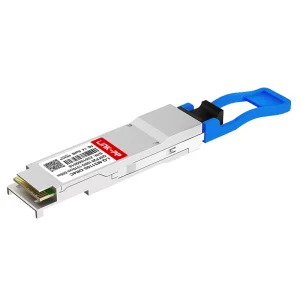
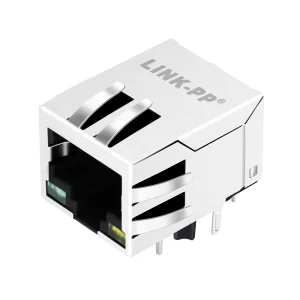
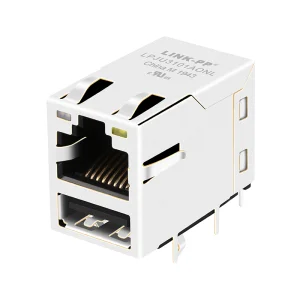
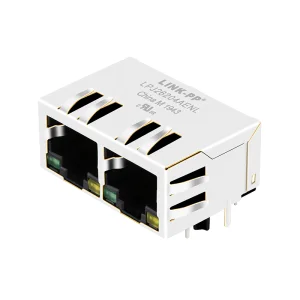
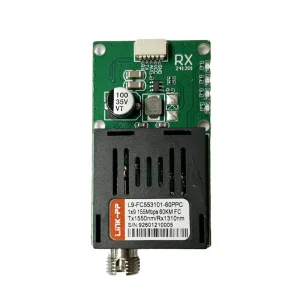
As transmission speeds move beyond 100G towards 400G, 800G, and 1.6T systems, standard SFP geometries face heat dissipation and signal degradation challenges. Modern transceiver designs use PAM4 modulation schemes, which are more sensitive to impedance mismatch.
Zyqora's engineering team is developing next-generation solutions, including Co-Packaged Optics (CPO) and Silicon Photonics. By mounting optical engines directly on the host ASIC substrate, interconnect path lengths are significantly shortened, reducing loss and power requirements.
Introducing upgraded contact alloys to maintain stable impedance parameters under 28G/56G baud rates.
Directly attaching active optical modules to high-density SFP cages to improve airflow in dense server rooms.
Integrating optical transceivers near the CPU/ASIC level to minimize path attenuation and latency.
Common questions regarding SFP specifications, customization capabilities, and delivery logistics to Tokyo and greater Japan.