Zyqora
Zyqora
Zyqora
High-reliability EMI-shielded SFP cages and integrated connectors designed for zero-latency deployment in Norway's hyperscale computing matrices.
Norway is rapidly transforming into a global hub for green computing, hyperscale data centers, and advanced telecommunication matrices. Utilizing 100% renewable hydroelectric power and natural cold fjord water cooling, facilities like the Lefdal Mine Datacenter and Green Mountain set world-class standards for carbon-neutral operations. However, operating within deep underground caverns and coastal fjords subjects networking hardware to unique atmospheric stressors, including high humidity levels and localized thermal shifts.
For network architects in Oslo, Stavanger, and Bergen, hardware structural reliability is non-negotiable. The optical interfaces—specifically SFP cages—must withstand mechanical oxidation, maintain strict structural integrity during high-speed hot-plugging cycles, and offer uncompromising EMI shielding performance. Any degradation in shielding effectiveness or mechanical alignment can compromise signal integrity in high-frequency circuits (10Gbps, 25Gbps, and up to 100Gbps systems), leading to packet loss and high-latency cycles in critical marine, research, and telecom infrastructures.
Unpacking the structural engineering breakthroughs required to sustain next-generation data throughput speeds across Norway and the global market.
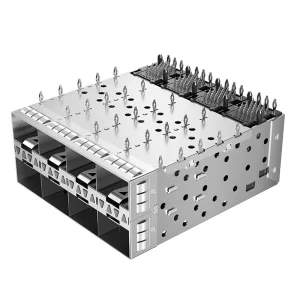
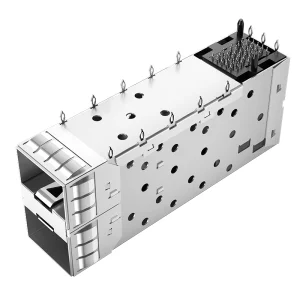
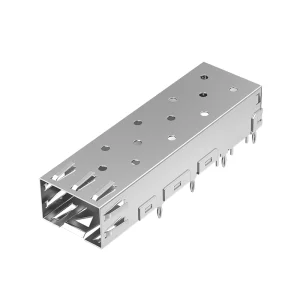
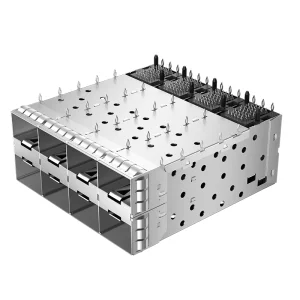
As transmission frequencies increase from SFP+ (10G) to SFP28 (25G) and QSFP (100G+), traditional EMI gaskets fail. Modern cages use beryllium-copper (BeCu) spring fingers, ensuring 360-degree grounding and mitigating high-frequency radiation leakage by up to -45dB in high-density multi-port designs.
Norway's heavy industrial applications favor press-fit (compliant pin) technology. Press-fit connections avoid thermal stress on the PCB during assembly, offering superior mechanical retention and structural reliability compared to Surface Mount Technology (SMT) under harsh maritime vibrational loads.
With optical modules drawing up to 3.5W or more, custom integrated heat sinks (pin-fin or riding heat sinks) are built directly onto the SFP cage assemblies. These designs optimize natural airflow patterns inside telecom enclosures, reducing junction temperatures by up to 12°C.
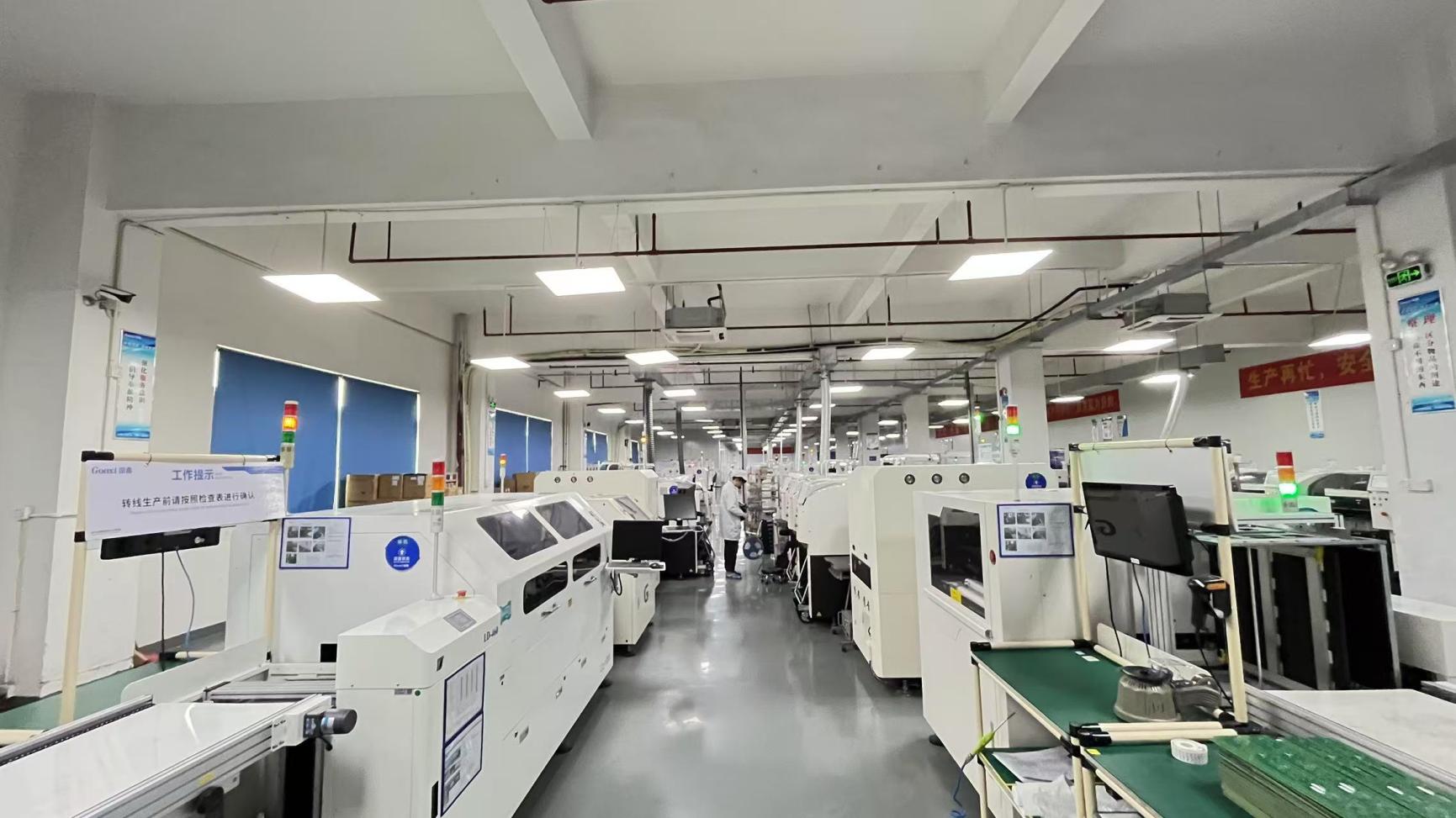
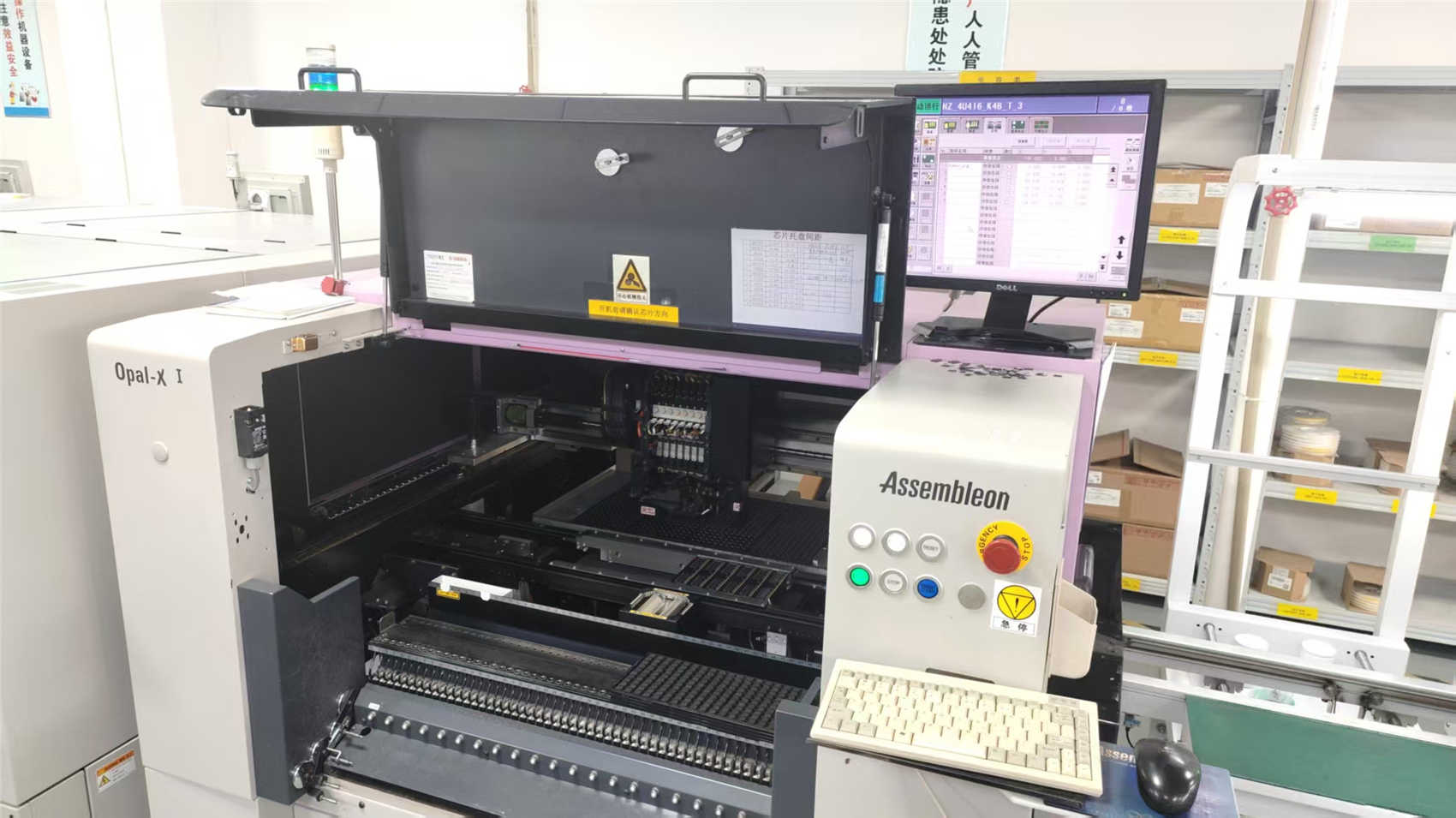
Global procurement specialists are navigating a volatile geopolitical and macro-economic landscape. Supply chain resilience, rapid prototyping, and consistent high-yield production are essential. As a major high-technology manufacturer, our state-of-the-art facilities leverage Industry 4.0 manufacturing methods to deliver extreme dimensional accuracy (+/- 0.02mm) on SFP cages and integrated connectors.
By employing automated optical inspection (AOI), high-speed stamping presses, and automated insert molding, we achieve high yield rates and cost-efficiency. This scale allows Norway's system integrators and telecommunications hardware startups to access high-quality equivalents of TE Connectivity, Amphenol, and Molex form-factors at competitive prices. Zyqora's lean production methods eliminate supply chain bottlenecks, ensuring consistent deliveries to Northern Europe.
Our manufacturing and assembly processes are aligned with major international directives, ensuring trouble-free importation and regulatory compliance within Norway and the EEA:
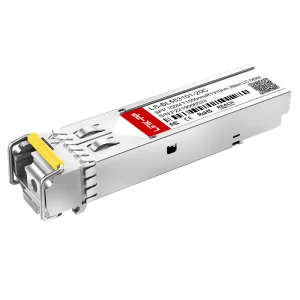
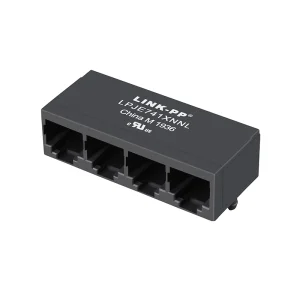
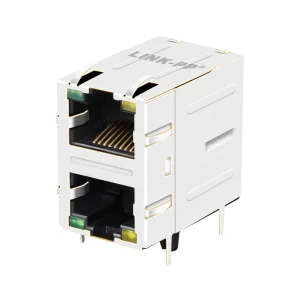
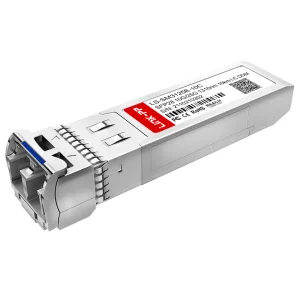
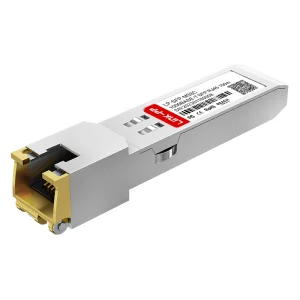
Highly durable optical modules and specialized RJ45 connectors tailored for marine and remote Norwegian subsea networks.
Understanding local deployment environments is essential for selecting the correct SFP cage and interconnect hardware. The Norwegian industrial landscape features several demanding applications:
Offshore wind turbines located in the North Sea rely on fiber-optic telemetry rings to monitor power output and mechanical structural integrity. SFP cages used in these remote towers must withstand continuous vibration, moisture, and temperature fluctuations, ensuring uninterrupted data relays to Statnett's grid control centers.
Norway's aquaculture industry utilizes extensive networks of underwater sensors, camera arrays, and feeding systems. The shore-based aggregation hubs utilize industrial-grade SFP and RJ45 modules to process telemetry feeds under wet and salty conditions, where component reliability prevents system downtime.
Repurposed mines and underground storage facilities offer natural cooling but present challenges with structural moisture control and dust management. IP-rated networking enclosures containing SFP cages require highly effective EMI shielding, preventing EMI buildup in tight, metal-walled installations.
Founded in 2016, Zyqora Optical Technologies Co., Ltd. is a professional manufacturer and supplier of high-performance optical transceivers and fiber connectivity solutions for global data center, telecom, enterprise network, and cloud computing applications.
With a modern production facility covering 386 square meters, Zyqora specializes in the design, development, manufacturing, and testing of optical communication products, including SFP, SFP+, SFP28, QSFP28, QSFP-DD, OSFP, AOC, and DAC solutions. Our products are engineered to deliver reliable performance, scalability, and seamless compatibility with mainstream networking platforms.
Over the years, Zyqora has established a strong international presence, achieving annual export revenue exceeding USD 18 million. Backed by 8 years of export experience and 10 years of industry expertise, we serve customers across North America, Europe, Southeast Asia, the Middle East, and Latin America. We actively work with telecom operators, data center providers, system integrators, network equipment distributors, and enterprise IT solution providers worldwide.
Zyqora offers comprehensive OEM and ODM services, including customized labeling, firmware coding, packaging design, and product specification development. Last year alone, the company successfully launched 168 new products to meet the requirements of next-generation network infrastructures.


Technical clarifications on mechanical design, EMI standards, and logistics for SFP interconnect solutions in Europe.
Original catalog items, fully certified for telecom, enterprise, and cloud server interfaces.