Zyqora Zyqora

RJ45 Copper SFP Factories & Suppliers for Bangladesh

Providing enterprise-grade, high-performance copper transceiver solutions engineered for Bangladesh's rapidly growing digital telecom, industrial automation, and ISP network infrastructures.

10+ Years
Industry Expertise
$18M+
Annual Export Revenue
860+
Supply Chain Partners
168+
New Products Launched Yearly

Industrial & Enterprise Networking Landscape in Bangladesh

Powering Bangladesh's Digital Evolution through Advanced Hardware Solutions

Bangladesh is undergoing a rapid digital revolution. Propelled by the government's ambitious Smart Bangladesh Vision 2041 and the nationwide expansion of optical backbone infrastructure by NTTN (Nationwide Telecommunication Transmission Network) operators like Fiber@Home and Summit Communications, local network architectures are scaling up at unprecedented speeds. To support this growth, Internet Service Providers (ISPs), telecom operators (such as Grameenphone, Robi Axiata, and Banglalink), and manufacturing plants require robust, cost-effective, and highly compatible hardware interfaces.
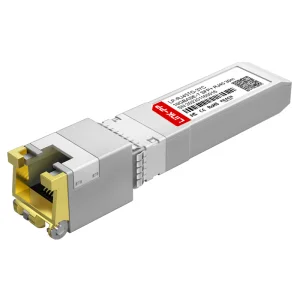
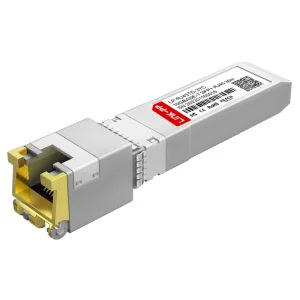
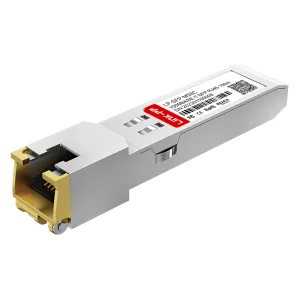
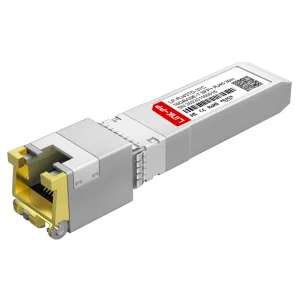
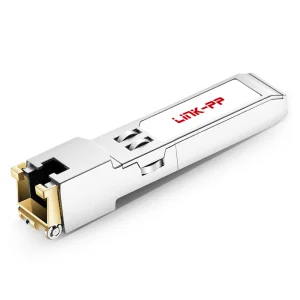
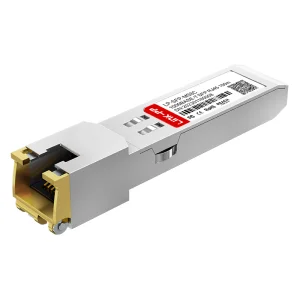
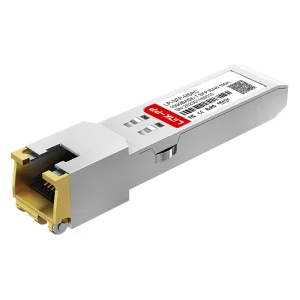
RJ45 Copper SFP (Small Form-factor Pluggable) transceivers play a vital role in this progression. These devices act as a bridge, allowing network switches, routers, and firewalls equipped with SFP ports to connect directly to standard Category 6A/7 copper patch cords. In localized hubs—such as the high-density corporate offices in Dhaka's Motijheel, Gulshan, and Banani areas, or the sprawling manufacturing units in the Dhaka and Chittagong Export Processing Zones (EPZs)—copper connections are preferred over fiber optic lines for shorter distances. They eliminate the complexities and expenses associated with fiber splicing, patch cables, and delicate optic transceivers, delivering a robust, cost-effective physical layer solution.

Why SFP Copper Modules are Crucial for Local Integrators:

Infrastructure Compatibility

Directly interfaces fiber-centric SFP ports with legacy RJ45 copper cabling, protecting existing investments in Cat5e, Cat6, and Cat6A networks.

Cost Efficiency

Drastically reduces short-range link deployments costs (under 100 meters) compared to optical fiber patch cords and optical transceivers.

Operational Simplicity

Hot-pluggable design allows system engineers in Dhaka data centers to perform real-time upgrades without network downtime.

Typical Copper SFP Applications in Bangladesh

From the bustling economic zones to regional ISP hubs, copper SFPs serve key applications:

  • ISP Access Networks: Connecting core routing equipment to high-speed copper distribution panels in metropolitan and district-level POPs.
  • RMG Industrial Automation: Deploying industrial 10G and 1G Copper SFP transceivers inside textile and garment factories to connect automation equipment to central switches under high-temperature conditions.
  • Financial & Banking Datacenters: Interconnecting switches and security appliances inside bank headquarters in Dhaka, maintaining secure, high-speed 10G paths with low latency.

Technical Analysis: Optical vs. Copper SFP+ in South Asian Climates

Evaluating performance parameters in high-humidity and high-dust industrial environments.

Deploying network hardware in South Asian regions like Bangladesh presents unique environmental challenges. Factors such as high ambient humidity (exceeding 80% during monsoon seasons) and atmospheric dust in metropolitan hubs like Chittagong and Dhaka can accelerate hardware degradation. Understanding the physical and operational differences between Optical SFPs and RJ45 Copper SFPs is essential for long-term network reliability:

RJ45 Copper SFP Specifications

  • Medium Copper (Cat 6A/7 recommended)
  • Max Reach 30m (10GBASE-T) / 100m (1G)
  • Power Consumption 1.8W - 2.5W (10G) / 1.0W (1G)
  • Connector Type RJ45 (Shielded Metal Shell)
  • EMI Sensitivity Low (when paired with STP cables)
  • Optical Dust Sensitivity None (No glass interfaces)

Optical SFP (Fiber) Specifications

  • Medium Single-mode / Multi-mode Fiber
  • Max Reach 300m (MMF) to 80km (SMF)
  • Power Consumption < 1.0W (Standard)
  • Connector Type LC Duplex / Simplex
  • EMI Sensitivity Immune to Electromagnetic Noise
  • Optical Dust Sensitivity High (Requires clean end-faces)
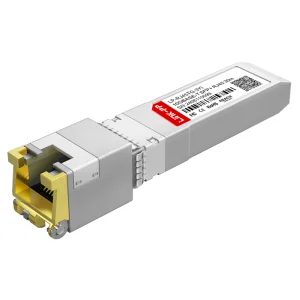
Thermal Management: 10GBASE-T copper transceivers draw more power than optical modules. In Bangladesh, where ambient temperature control in server rooms can fluctuate during grid-power transitions, choosing low-power PHY chips is critical. Zyqora's SFP-10G-T-X employs an optimized high-performance physical layer (PHY) chipset that limits power draw to under 1.8W (over 30m links). This design minimizes heat generation, preventing thermal throttle triggers in densely packed switch racks.
Dust Immunity: Industrial units—such as cement mills, textile weaving plants, and steel mills located in Narayanganj or Chittagong—contain airborne micro-particles. Optical LC connectors require strict cleaning protocols to avoid signal attenuation caused by dust contamination. Copper SFP modules, featuring sealed mechanical RJ45 ports and gold-plated pins, resist dust and offer a reliable link connection that requires minimal maintenance in harsh environments.

Compliance, Regulatory Alignments, & Bangladesh Import Optimization

Streamlined procurement workflows matching BTRC requirements and custom guidelines.

For network engineering managers and procurement officers in Bangladesh, importing active network devices requires compliance with regional telecom standards. The Bangladesh Telecommunication Regulatory Commission (BTRC) mandates import permits, type approvals, or No Objection Certificates (NOC) for telecommunication devices. Zyqora understands these regional requirements and provides comprehensive support to ensure a smooth, worry-free customs clearance process.

Regulatory & Export Logistics Documentation

  • HS Code Classification: Our transceivers are classified under the globally recognized Harmonized System Code 8517.62.00 (transceiver modules for data transmission), helping importers accurate calculate Customs Duty (CD), Regulatory Duty (RD), and VAT.
  • BTRC Support: We supply comprehensive datasheet documentation, CE/FCC certificates, and manufacturer authorization letters, which are required for NOC applications on the BTRC portal.
  • Customized Firmware & Coding: Many legacy switches used by local ISPs require vendor-specific coding (e.g., Cisco, HP Aruba, Mikrotik, Juniper, Ubiquiti). Zyqora programs transceiver EEPROMs at the factory, ensuring instant compatibility upon installation.

Quick Procurement Checklist

  • 1. Compatibility Check Specify host switch model (Cisco, Mikrotik, etc.)
  • 2. Reach Requirement Verify distance (30m, 80m, or 100m)
  • 3. Documentation Request OEM Datasheets and RoHS Certifications
  • 4. Port Speed Confirm port configuration (1G / 2.5G / 10G)
  • 5. Customs Port Dhaka (HSIA) Air Cargo / Chittagong Port Sea freight

About Zyqora Optical Technologies

Connecting Global Networks with Speed, Reliability, and Innovation
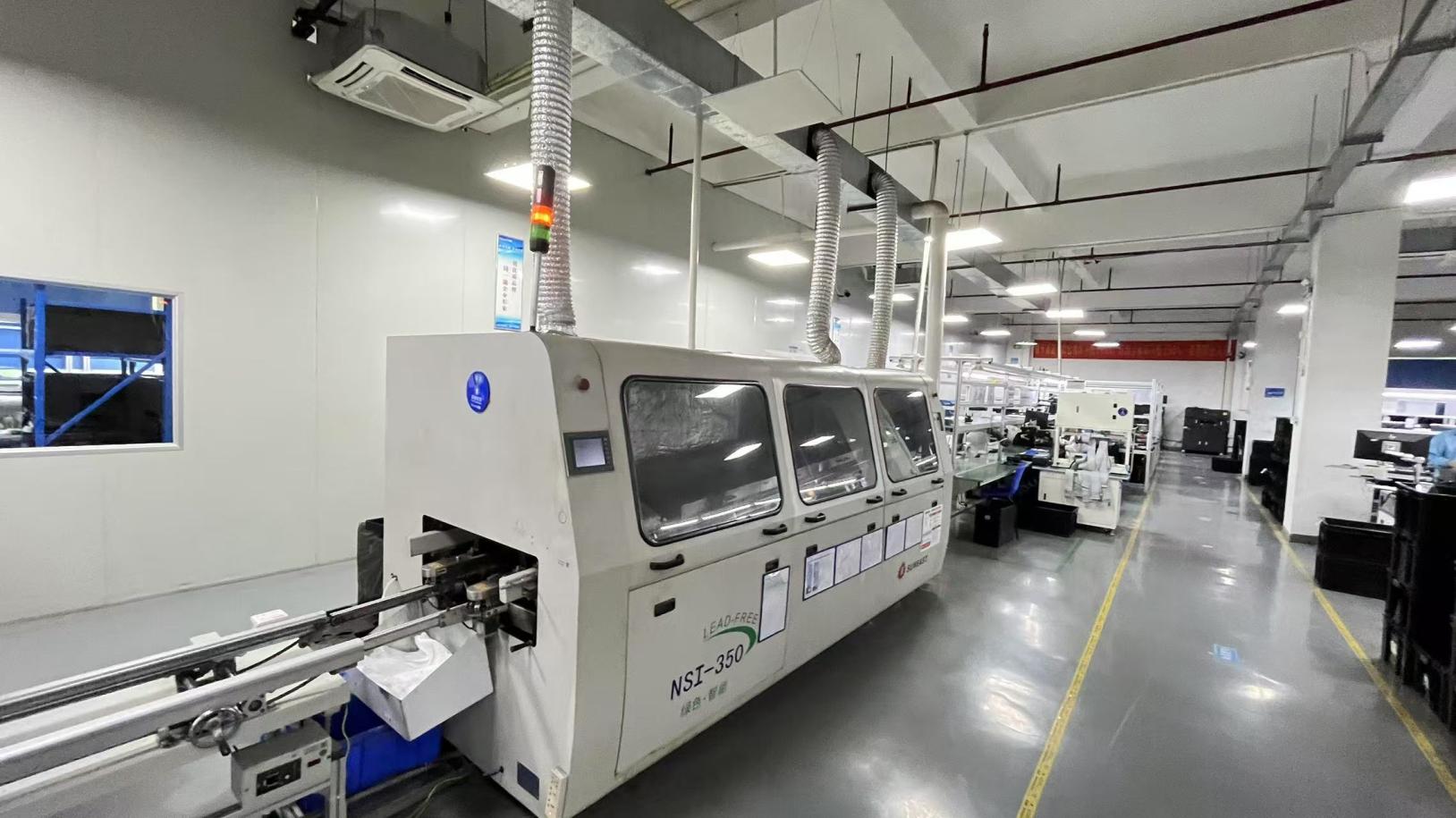
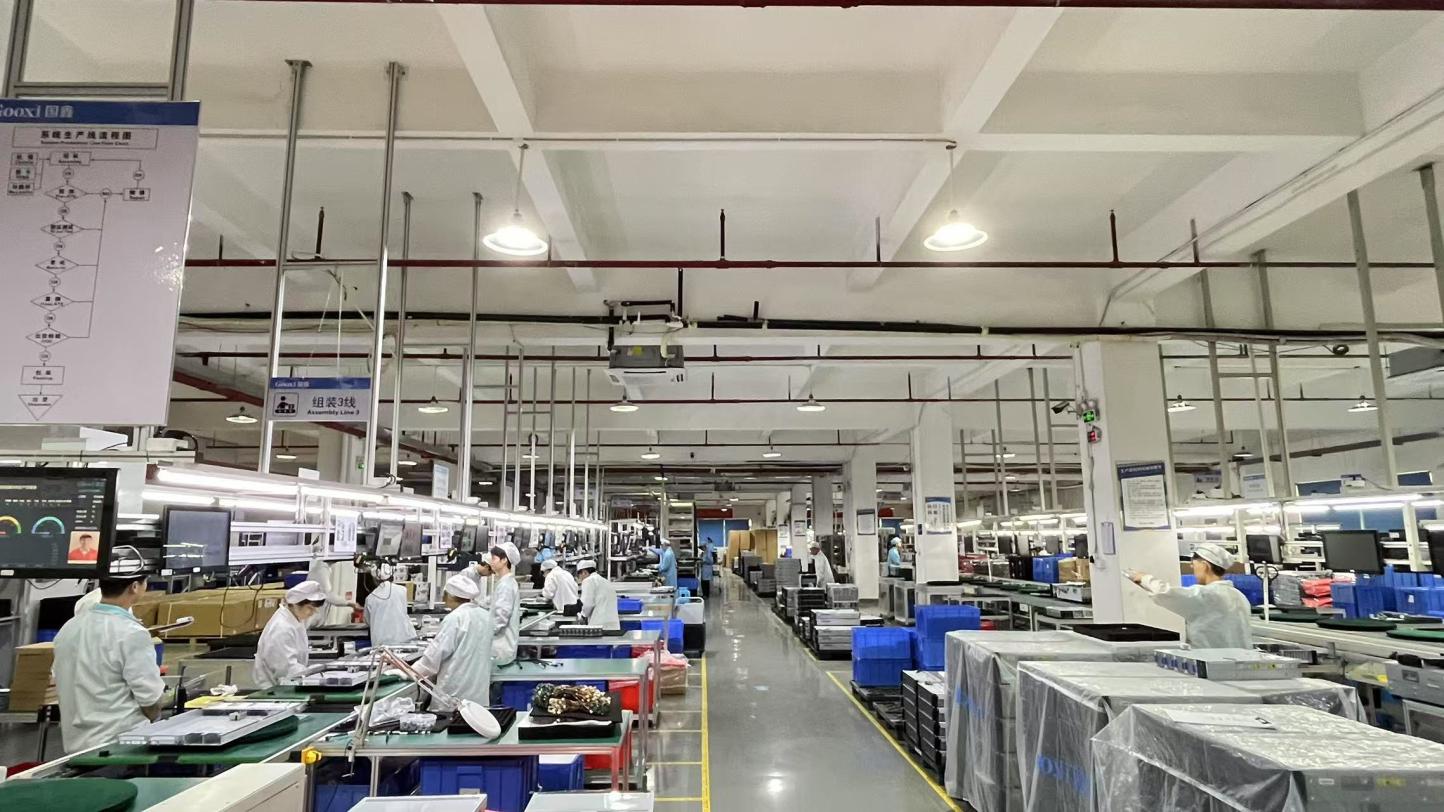
Founded in 2016, Zyqora Optical Technologies Co., Ltd. is a professional manufacturer and supplier of high-performance optical transceivers and fiber connectivity solutions for global data center, telecom, enterprise network, and cloud computing applications.
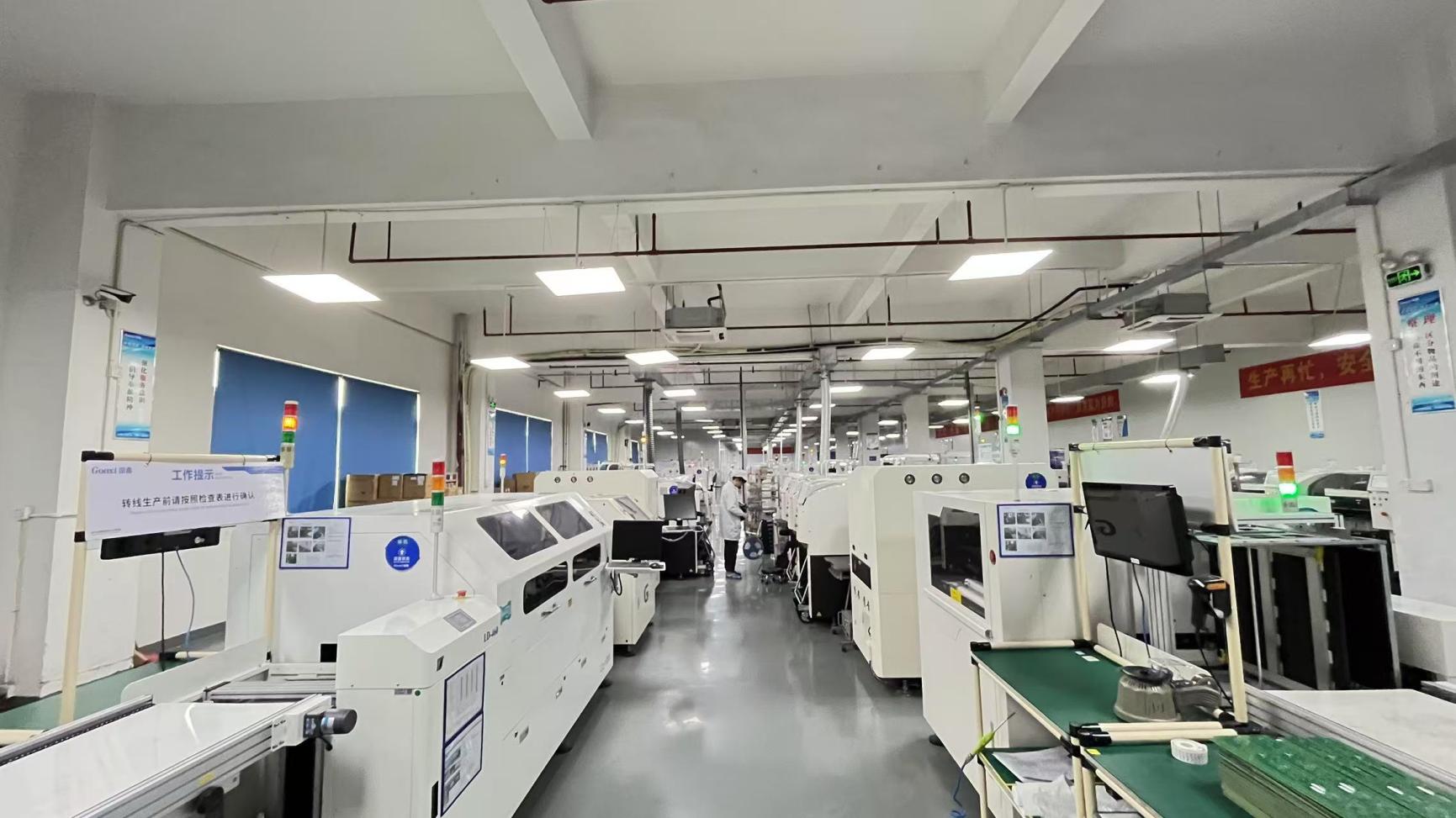
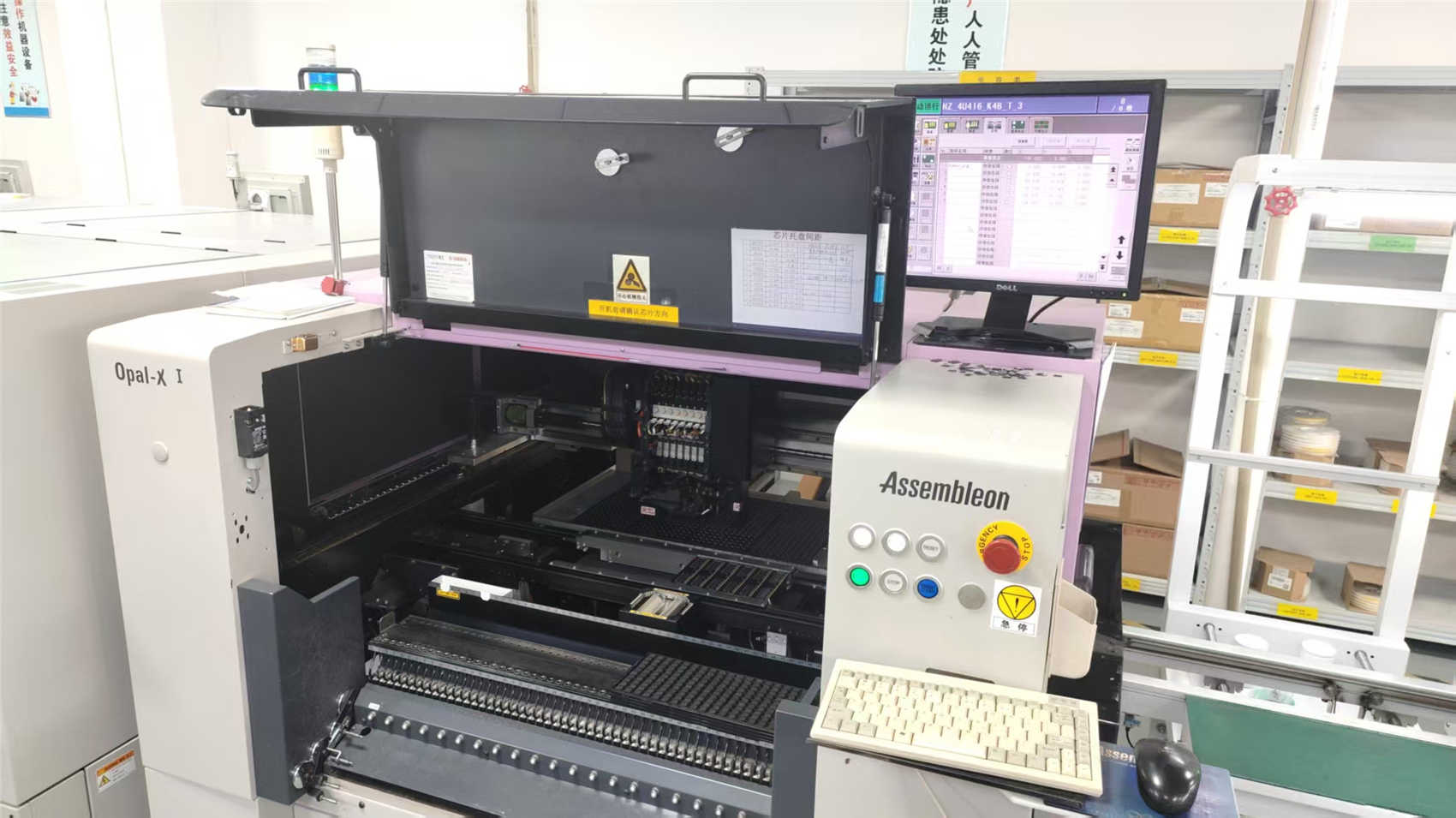
With a modern production facility covering 386 square meters, Zyqora specializes in the design, development, manufacturing, and testing of optical communication products, including SFP, SFP+, SFP28, QSFP28, QSFP-DD, OSFP, AOC, and DAC solutions. Our products are engineered to deliver reliable performance, scalability, and seamless compatibility with mainstream networking platforms.
Over the years, Zyqora has established a strong international presence, achieving annual export revenue exceeding USD 18 million. Backed by 8 years of export experience and 10 years of industry expertise, we serve customers across North America, Europe, Southeast Asia, the Middle East, and Latin America.
Quality is at the core of everything we do. Our manufacturing process is supported by comprehensive quality assurance procedures, including incoming material inspection, optical performance testing, aging tests, compatibility verification, and final product inspection. A dedicated team of 42 quality control professionals ensures that every product meets international standards and customer expectations.
As a company with both manufacturing and international trading capabilities, Zyqora has built a reliable supply network with more than 860 supply chain partners, enabling efficient sourcing, stable production, and flexible delivery schedules.
Our primary customers include telecom operators, data center providers, system integrators, network equipment distributors, and enterprise IT solution providers worldwide. To support evolving market demands, we maintain a strong research and development team focused on innovation and product optimization.
Zyqora offers comprehensive OEM and ODM services, including customized labeling, firmware coding, packaging design, and product specification development. Last year alone, the company successfully launched 168 new products to meet the growing requirements of next-generation network infrastructures.
Our R&D department consists of 65 experienced engineers specializing in optical communication technologies, high-speed transmission systems, and network interoperability solutions. Through continuous innovation and strict quality management, Zyqora remains committed to providing cost-effective, reliable, and future-ready optical networking products for customers around the world.

Complete Enterprise Port & Transceiver Portfolio

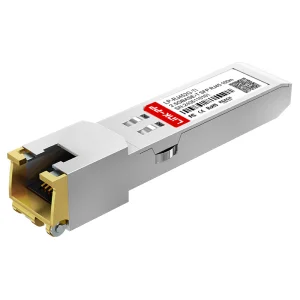
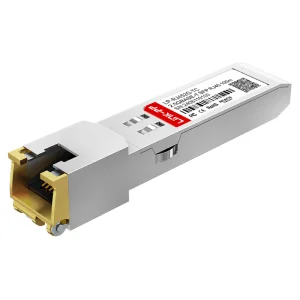
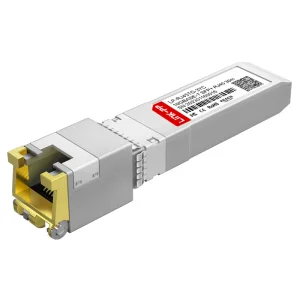
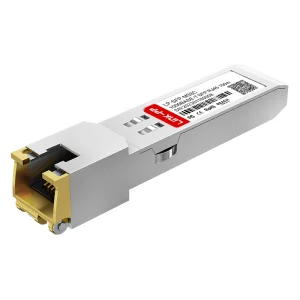
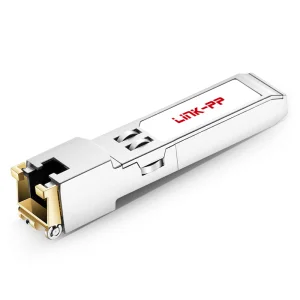
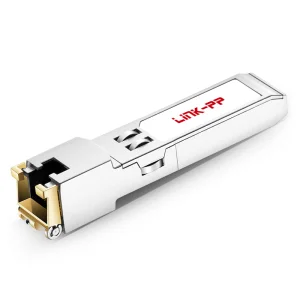
Fully compatible SGMII, 1G, 2.5G, and 10G Copper SFP modules designed for network upgrades in Dhaka, Chittagong, and Sylhet.
Technical Roadmap: Future-Proofing Transceiver Architecture

Where copper and optical integration is heading in next-generation network standards.

As bandwidth demands escalate, the limits of copper SFP technology are continuously being extended. Zyqora's R&D department of 65 engineers is actively developing next-generation transceivers targeting 25GBASE-T and 40GBASE-T copper interfaces over Cat8 cabling. These future technologies will enable data centers to continue leveraging their structured copper wiring while running speeds that were previously only possible with optical fiber or Direct Attach Cables (DACs).
Additionally, the integration of energy-saving standards (IEEE 802.3az Energy Efficient Ethernet) in our newest SFP models helps reduce active power dissipation by up to 30% during low-traffic periods. By partnering with Zyqora, operators in Bangladesh gain direct access to this product pipeline, allowing local companies to future-proof their network architectures while optimizing equipment life cycles.

FAQ: Deploying Copper SFP Transceivers in Bangladesh

Solving the most common technical and logistics questions for regional network administrators.
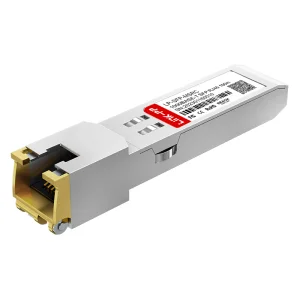
Q1: What is the maximum transmission distance for a 10GBASE-T Copper SFP+ module?
A1: Over standard Category 6A or Cat 7 copper cabling, the typical maximum reach for 10GBASE-T SFP+ modules is 30 meters. However, specialized models in our portfolio support up to 80 meters or 100 meters at reduced power envelopes when paired with high-quality, fully shielded twisted-pair cabling.
Q2: Can Zyqora SFP modules work with Cisco and MikroTik switches used by Bangladesh ISPs?
A2: Yes. Zyqora provides customized firmware coding to ensure 100% interoperability with major network vendors, including Cisco, MikroTik, Juniper, HPE Aruba, Ubiquiti, and Huawei. When placing an order, please specify your switch models so we can program the transceivers accordingly.
Q3: How do Zyqora modules handle the high humidity and dust environments in industrial areas like Narayanganj or Chittagong?
A3: Our copper SFP transceivers feature robust, fully enclosed metal housings with gold-plated contact pins. Unlike optical transceivers, they have no open glass interfaces that are susceptible to dust contamination, making them ideal for high-humidity and dusty industrial sites.
Q4: What documents does Zyqora provide to assist with BTRC import approvals in Bangladesh?
A4: We provide complete technical datasheets, CE/FCC/RoHS compliance certificates, and commercial invoices with the appropriate HS Code (8517.62.00). These documents help your clearance agent easily obtain the required import NOC from the Bangladesh Telecommunication Regulatory Commission (BTRC).
Q5: What is the typical lead time for shipping SFP transceivers to Dhaka or Chittagong?
A5: For standard compatible modules, production and packaging take 3–5 business days. Air freight transit to Hazrat Shahjalal International Airport (DAC) in Dhaka typically takes another 3–7 business days, depending on flight schedules and custom clearance speed.