Zyqora
Zyqora
Zyqora
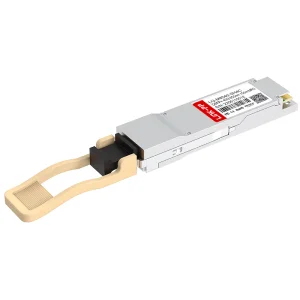
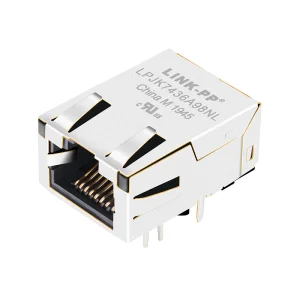
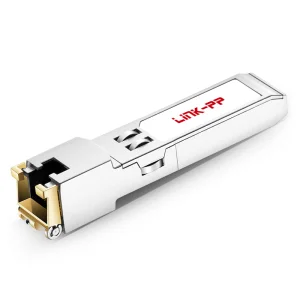
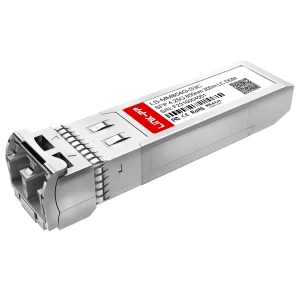
Explore our primary array of SFP modules, custom copper connectors, and modular jacks engineered for maximum signal integrity.
Understanding the Critical Role of SFP Module Connectors in Modern Telecom & Data Center Infrastructure
The explosive demand for high-speed transmission, fueled by cloud computing, artificial intelligence (AI), machine learning (ML), and 5G networks, has driven the evolution of interconnect systems. At the heart of this revolution is the Small Form-Factor Pluggable (SFP) module connector. SFP connectors, along with their high-speed variants like SFP+, SFP28, QSFP28, and QSFP-DD, serve as the physical interface bridging the high-speed optical transceivers to PCB backplanes.
As transmission data rates advance from 10 Gbps and 25 Gbps up to 400 Gbps and 800 Gbps, SFP module connector designs face stringent constraints. They must maintain exceptional signal integrity, mitigate electromagnetic interference (EMI), and manage severe thermal challenges. A minor layout inaccuracy or substandard component quality can cause signal attenuation, link errors, or hardware failure under high-performance scenarios.
Technological roadmaps pointing towards density, speed, and thermal efficiency.
Traditional NRZ signaling is replaced by Pulse Amplitude Modulation 4-Level (PAM4) to double the data transmission rate at the same physical baud rate, demanding higher signal-to-noise ratio performance from connectors.
Higher performance results in increased thermal generation. Modern connector cages incorporate integrated riding heat sinks with customized fin profiles to facilitate direct-air cooling paths.
With frequencies operating in multiple gigahertz bands, EMI leakage is a major concern. Manufacturers integrate EMI metal spring fingers or conductive elastomeric gaskets to ensure electromagnetic compatibility (EMC).
A comparative overview of the leading tier-1 global suppliers and high-reliability specialized manufacturers.
To help procurement officers, hardware designers, and telecom system integrators make informed decisions, we have compiled the industry's definitive guide to the leading manufacturers of SFP connectors, cages, and optical transceivers.
| Manufacturer Name | Headquarters | Key Strengths | Primary Product Focus |
|---|---|---|---|
| TE Connectivity | Switzerland / USA | Broadest SFP portfolio, SFF standards leader, advanced thermal solutions. | SFP+, SFP28, QSFP-DD Connectors & Cages |
| Amphenol ICC | USA | High-speed copper interconnects, custom backplanes, robust EMI shielding. | SFP/SFP+ Cages, Ultraport QSFP+ |
| Molex | USA | Innovative micro-coaxial designs, stacked configurations, optoelectronics. | SFP+ Stacked Connectors, zSFP+ Cages |
| Foxconn Interconnect Technology (FIT) | Taiwan / China | Mass production capacity, consumer & enterprise scale, competitive pricing. | SFP+ / QSFP Connectors, Optical Engines |
| Zyqora Optical Technologies | China | 8+ years export, highly flexible OEM/ODM, integrated transceivers and modular jacks. | SFP, SFP+, QSFP28 Transceivers & Magnetic Jacks |
| Hirose Electric | Japan | High precision manufacturing, miniature contact designs, extreme reliability. | Micro-SFP Connectors, SMT Plugs |
| Yazaki Corporation | Japan | Automotive and industrial Grade SFP solutions, robust environmental resistance. | Industrial Grade SFP Cages & Harnesses |
| Samtec | USA | High-speed cable assemblies, customizable designs, rapid prototyping. | Flyover QSFP/SFP Cable Systems, Edge Connectors |
| Harting Technology Group | Germany | Heavy-duty industrial interfaces, IP65/IP67 rated housings, M12/SFP hybrids. | Industrial SFP Connectors & Hoods |
| Bel Fuse (Stewart Connector) | USA | Excellent magnetic integration, telecom specialty, robust RJ45 & SFP interfaces. | Integrated SFP Connectors, Magjacks |
TE Connectivity is a global industrial technology leader. Their SFP portfolio, ranging from standard SFP to advanced QSFP-DD, is recognized for setting industry benchmarks. Their cages feature patented external thermal designs that help prevent thermal throttling in dense switch ports.
As a division of Amphenol, this branch focuses on data communications and telecommunications. Their high-speed SFP products are engineered for up to 56G PAM4 and 112G PAM4 signaling. Their proprietary dual-beam contact design improves electrical reliability over multiple mating cycles.
Molex provides an extensive catalog of interconnect systems. Their zSFP+ interconnect designs deliver superior insertion loss and signal isolation characteristics, ideal for networking applications requiring high port density and wide signal bandwidth.
FIT leverages Foxconn’s extensive manufacturing scale. They focus on delivering high-volume, reliable standard SFP connectors to OEMs of switches, routers, and host bus adapters (HBAs) worldwide.
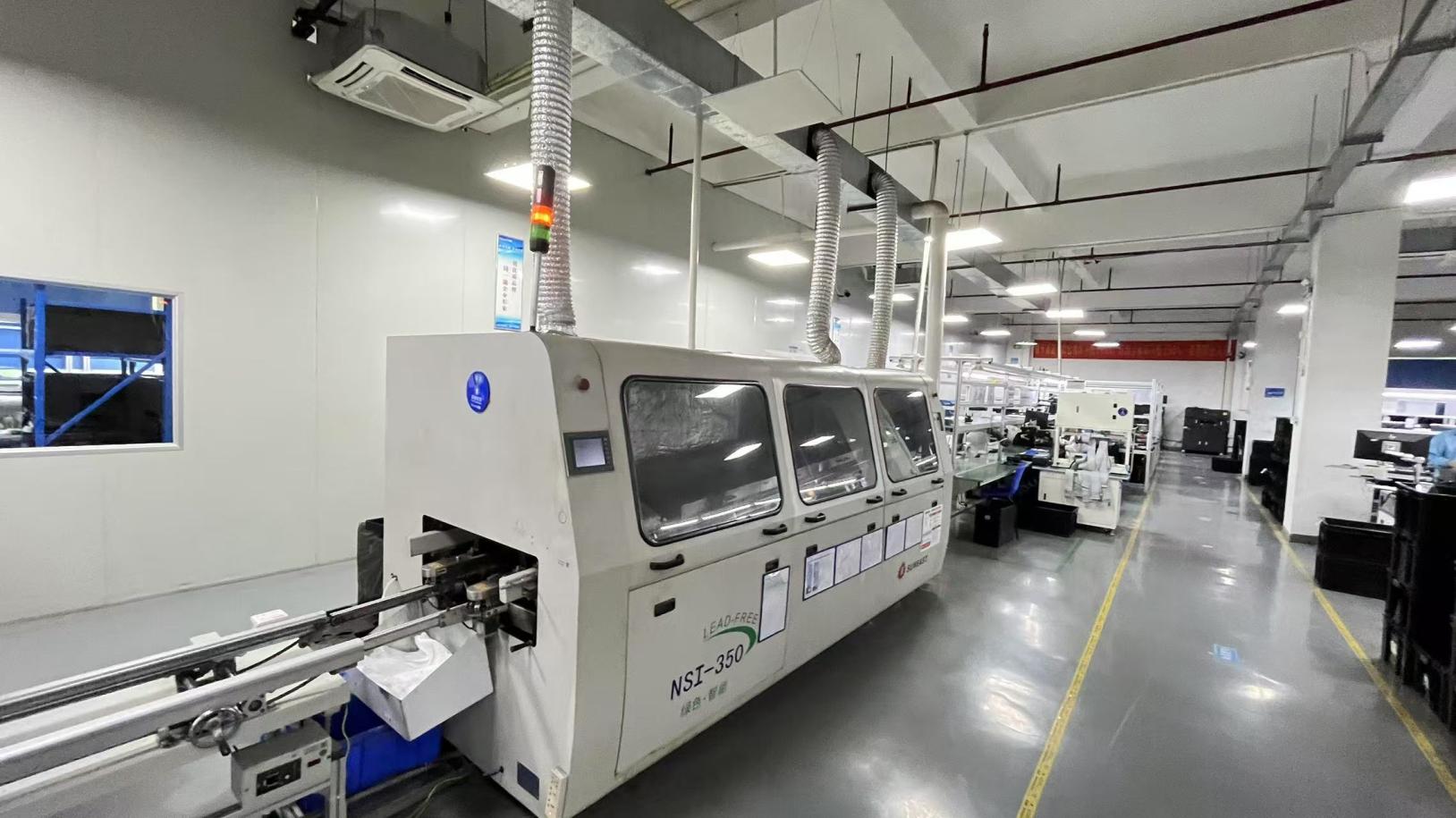
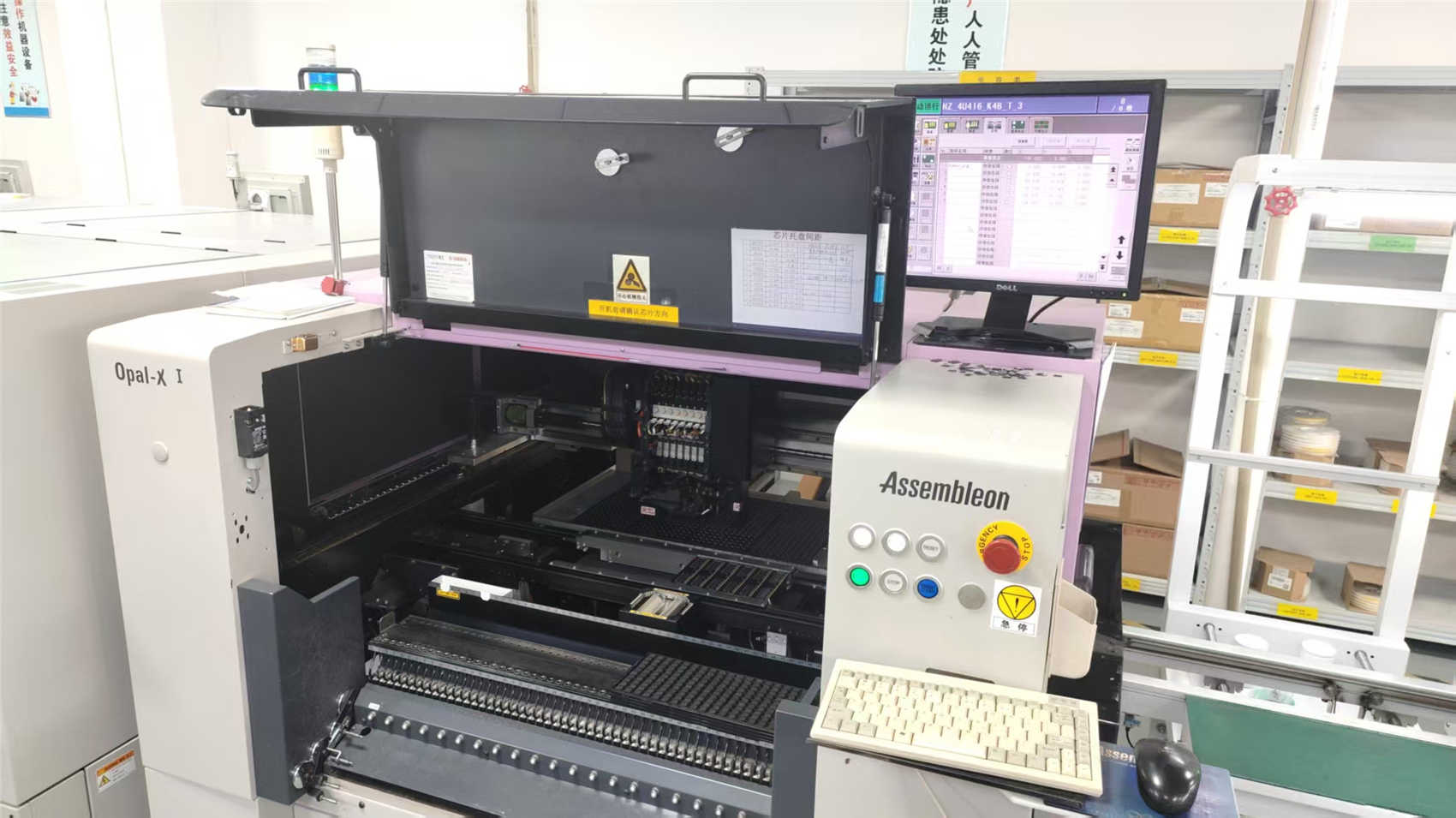
Founded in 2016, Zyqora represents the new wave of agile, technology-driven optical interconnect manufacturers. Zyqora bridges the gap between raw hardware manufacturing and high-end optical transceivers. Operating a modern facility with advanced QC protocols and 65 R&D engineers, Zyqora delivers high-performance optical transceiver modules, magnetic RJ45 jacks, and compatible copper SFP configurations for critical networks.
An analysis of regional demand patterns, supply chain hubs, and application verticals.
The global market for SFP connectors and optical transceivers is divided into key regions, each representing unique technological demands and structural requirements:
Characterized by hyperscale data centers (such as AWS, Azure, Google Cloud) and modern enterprise networks. Demand centers around high-speed, low-latency, and high-density connectors (100G, 400G, and 800G SFP/QSFP configurations) that are compliant with strict EMI and environmental regulations like RoHS and REACH.
Driven by rapid telecommunication expansions, 5G base station deployments, and manufacturing infrastructure. There is a strong focus on cost-efficient, high-reliability products, including Single Mode 1x9 transceivers, standard 10G SFP+ modules, and integrated RJ45/SFP magnetic jacks for telecom cabinets.
How the connector design is adapting to the physical limits of copper and glass.
For decades, pluggable form factors (SFP, QSFP, OSFP) have provided unmatched flexibility for network architects, allowing easy upgrades and maintenance. However, as link speeds move toward 1.6T and 3.2T, physical limits present new engineering challenges:
Connecting Networks with Speed, Reliability, and Innovation.
Founded in 2016, Zyqora Optical Technologies Co., Ltd. is a professional manufacturer and supplier of high-performance optical transceivers and fiber connectivity solutions for global data center, telecom, enterprise network, and cloud computing applications.
With a modern production facility covering 386 square meters, Zyqora specializes in the design, development, manufacturing, and testing of optical communication products, including SFP, SFP+, SFP28, QSFP28, QSFP-DD, OSFP, AOC, and DAC solutions. Our products are engineered to deliver reliable performance, scalability, and seamless compatibility with mainstream networking platforms.
Over the years, Zyqora has established a strong international presence, achieving annual export revenue exceeding USD 18 million. Backed by 8 years of export experience and 10 years of industry expertise, we serve customers across North America, Europe, Southeast Asia, the Middle East, and Latin America.
Quality is at the core of everything we do. Our manufacturing process is supported by comprehensive quality assurance procedures, including incoming material inspection, optical performance testing, aging tests, compatibility verification, and final product inspection. A dedicated team of 42 quality control professionals ensures that every product meets international standards and customer expectations.
As a company with both manufacturing and international trading capabilities, Zyqora has built a reliable supply network with more than 860 supply chain partners, enabling efficient sourcing, stable production, and flexible delivery schedules.
Our primary customers include telecom operators, data center providers, system integrators, network equipment distributors, and enterprise IT solution providers worldwide. To support evolving market demands, we maintain a strong research and development team focused on innovation and product optimization.
Zyqora offers comprehensive OEM and ODM services, including customized labeling, firmware coding, packaging design, and product specification development. Last year alone, the company successfully launched 168 new products to meet the growing requirements of next-generation network infrastructures.
Our R&D department consists of 65 experienced engineers specializing in optical communication technologies, high-speed transmission systems, and network interoperability solutions. Through continuous innovation and strict quality management, Zyqora remains committed to providing cost-effective, reliable, and future-ready optical networking products for customers around the world.


Clear answers to complex technical questions about SFP modules and connector configurations.
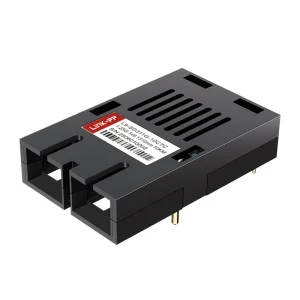
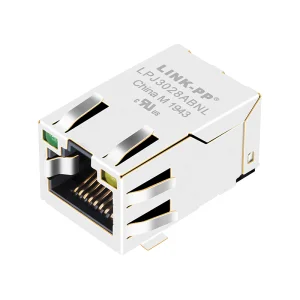
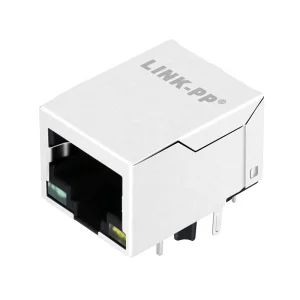
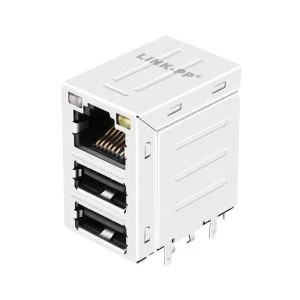
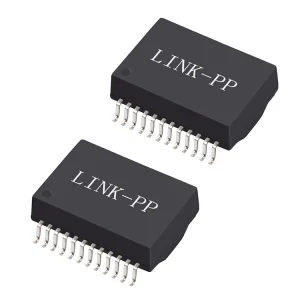
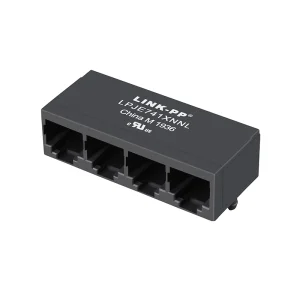
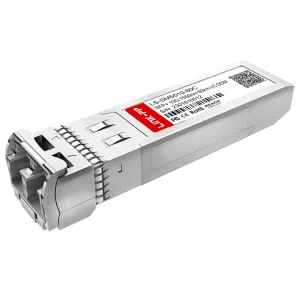
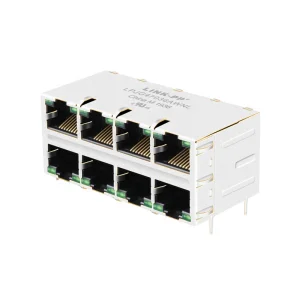
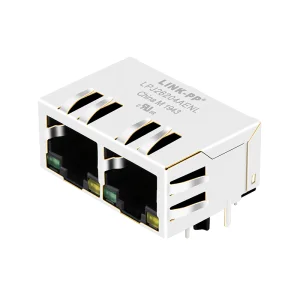
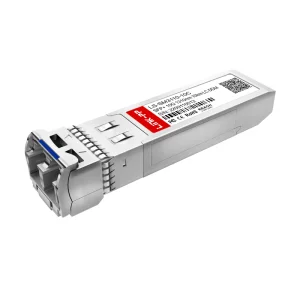
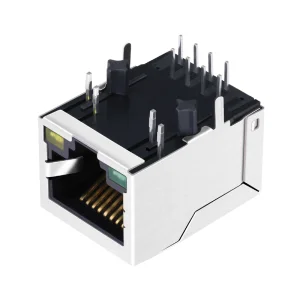
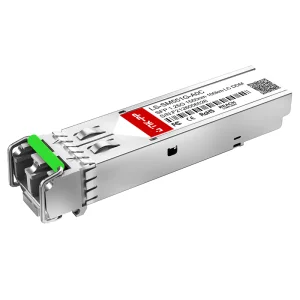
High-performance magnetics, PCB board-mounted interfaces, and long-range optical transceivers.