 Zyqora
Zyqora
Zyqora
Explore our high-performance ethernet connectors, discrete magnetic network transformers, and optical components designed for maximum link stability.
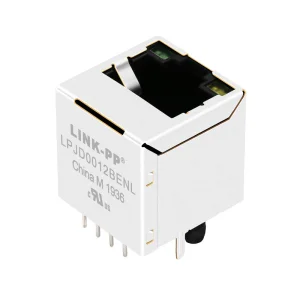
10/100 Base-t Ethernet Magnetic Vertical Top Entry Female RJ45 Jack Connector With Leds
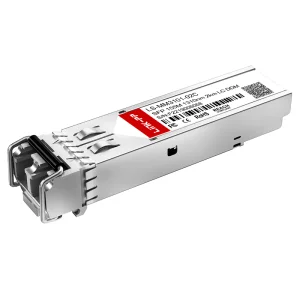
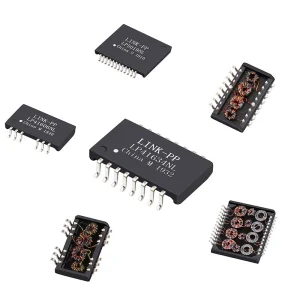
10/100 BASE-T Discrete Magnetic Network Transformer HST-4093SCR / HST-4094SCR / HST-4095SCR
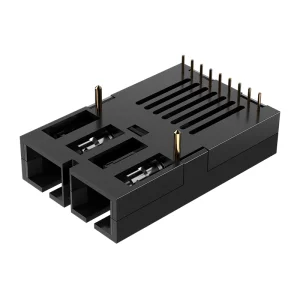
Single Mode 1.25G 1310nm Dual SC 20km SMF 1x9 Optical Transceiver Module
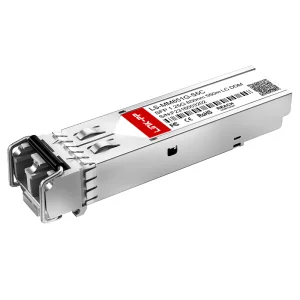
1000BASE-SX SFP Ethernet Module 850nm 550m Duplex LC MMF Fiber Optical Transceiver
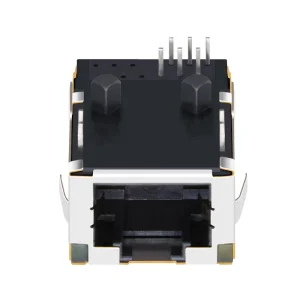
L829-1X1T-91 Tab up 10/100 Base-t Ethernet Magnetic Female Low Profile RJ45 Connector With Leds
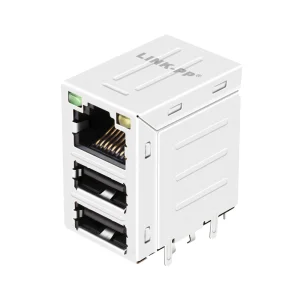
45F-10201DYD2NL 45F-10201DYDXNL Shielded Dual USB RJ-45 Female Connector With LEDs
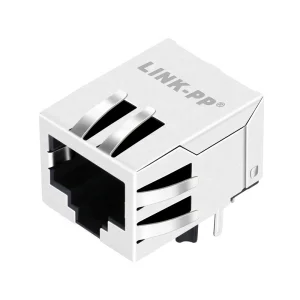
6605454-1 6605445-6 6605424-1 1840448-6 RJ45 Female Connector
Understanding physical layer integrity, electromagnetic mitigation, and high-density packaging in modern networking systems.
The global shift toward high-performance compute arrays, microservice software designs, and Edge computing has placed unprecedented pressure on physical layers. While fiber-optic transceivers handle high-throughput backbone lines, the copper-based RJ45 switch port remains the workhorse of localized deployments, enterprise local area networks (LANs), and industrial automation lines. RJ45 hardware is no longer just a plastic socket; it has evolved into a highly integrated component that mitigates high-frequency noise, protects sensitive PHY chips, and supports high wattages over data cables via Power over Ethernet (PoE).
In modern industrial and enterprise network setups, manufacturing RJ45 switch ports requires deep expertise in signal integrity, material sciences, and magnetic fields. High-speed signals (like 10GBASE-T) running over copper are highly vulnerable to high-frequency interference. This includes insertion loss, return loss, and crosstalk (both Near-End Crosstalk (NEXT) and Far-End Crosstalk (FEXT)). To combat this, elite Chinese suppliers design integrated connector modules, commonly known as MagJacks. These integrate discrete magnetic components directly inside the RJ45 shielding cage, filtering out common-mode noise and protecting against electrostatic discharges (ESD) while reducing the footprint on the switch's main board.
Additionally, the physical demands of high-density network switches require smart mechanical designs. Heat accumulation in stacked 2x8 or 2x12 RJ45 ports can lead to thermal runaway, degrading insulation materials and increasing signal attenuation. High-performance RJ45 switches address this issue through customized heat-sink architectures, press-fit pins that eliminate the need for thermal-cycling-sensitive solder joints, and advanced contact materials like phosphor bronze plated with gold up to 50 micro-inches. These features prevent oxidation in humid or corrosive environments, ensuring stable connections over decades of operation.
Integrated internal magnetics, common-mode chokes, and 360-degree brass shielding cages prevent external electromagnetic interference and protect internal silicon components from power surges.
Engineered to meet IEEE standards ranging from 10/100 BASE-T up to 10GBASE-T, delivering excellent high-frequency characteristics and minimizing return loss across all channels.
Optimized internal path designs and contact geometry manage thermal build-up when delivering up to 90W of DC power over four pairs of Ethernet cables.
Key technical benchmarks, testing regulations, and supply chain standards required by international network equipment buyers.
Purchasing agents and network engineers at global telecom companies, data center operators, and system integrators face several challenges when sourcing wholesale RJ45 switch ports from China. With many factories offering similar-looking products, identifying reliable partners requires looking at specific technical metrics and quality assurance standards. First among these is raw material traceability. High-end RJ45 housings must use engineering plastics that meet UL94-V0 flammability standards, ensuring the plastic self-extinguishes within seconds in the event of an electrical short.
Additionally, electrical ratings must match high-speed data transmission requirements. The table below outlines key parameters that buyers should check during factory audits and verification processes:
| Parametric Spec | Standard Enterprise Limit | Carrier-Grade Target Specification | Testing Protocol Required |
|---|---|---|---|
| Contact Resistance | < 30 mΩ max | < 15 mΩ max | EIA-364-23 (Millivolt Level) |
| Insulation Resistance | > 500 MΩ min | > 1000 MΩ min | EIA-364-21 (500 VDC Rating) |
| Dielectric Strength | 1000 VAC rms | 1500 VAC / 2250 VDC | EIA-364-20 (AC/DC Breakdown) |
| Mechanical Durability | 750 mating cycles | > 1500 mating cycles | EIA-364-09 (Automated Cycling) |
| Gold Plating Thickness | 15 micro-inches min | 30 to 50 micro-inches | X-Ray Fluorescence (XRF) |
Global logistics regulations add another layer of complexity. Suppliers must comply with EU Directives like RoHS (Restriction of Hazardous Substances) and REACH (Registration, Evaluation, Authorisation and Restriction of Chemicals). If components contain heavy metals or forbidden plasticizers, shipments can be blocked at customs, potentially causing assembly line shutdowns. Leading Chinese exporters now offer full testing reports and third-party certifications (such as UL, CE, and FCC) to ensure hassle-free customs clearance and smooth integration into enterprise equipment.
Connecting physical copper ports with high-speed fiber-optic backbones for balanced network performance.
Modern networks are rarely built on a single transmission medium. Enterprise campuses, storage area networks (SANs), and high-frequency trading sites rely on a hybrid model that uses copper interfaces for local devices and fiber-optic uplinks for high-speed connections. A key hardware design challenge is matching the low latency of fiber paths with the physical stability of copper RJ45 ports.
In this ecosystem, hybrid switches act as the bridge between optical components (like SFP, SFP+, and QSFP28 modules) and local copper connections. While fiber handles high-throughput backbone lines, the copper switch port provides power and data directly to terminal nodes like IP cameras, Wi-Fi 6/7 access points, and control units. This hybrid architecture requires precise coordination between the switch's optical and copper interfaces to prevent packet loss and latency spikes at the physical conversion boundaries.
To support this hybrid network layout, our team designs custom components that fit both optical cages and shielded multi-port RJ45 blocks on a single PCB. Features like integrated SFP cages with built-in heat sinks help dissipate heat from adjacent stacked RJ45 connectors, preserving the performance of sensitive optical transceivers and copper magnetics even during high-traffic workloads.
Your strategic partner in optical communications, high-frequency copper connectors, and global logistics execution.
Founded in 2016, Zyqora Optical Technologies Co., Ltd. is a professional manufacturer and supplier of high-performance optical transceivers and fiber connectivity solutions for global data center, telecom, enterprise network, and cloud computing applications.
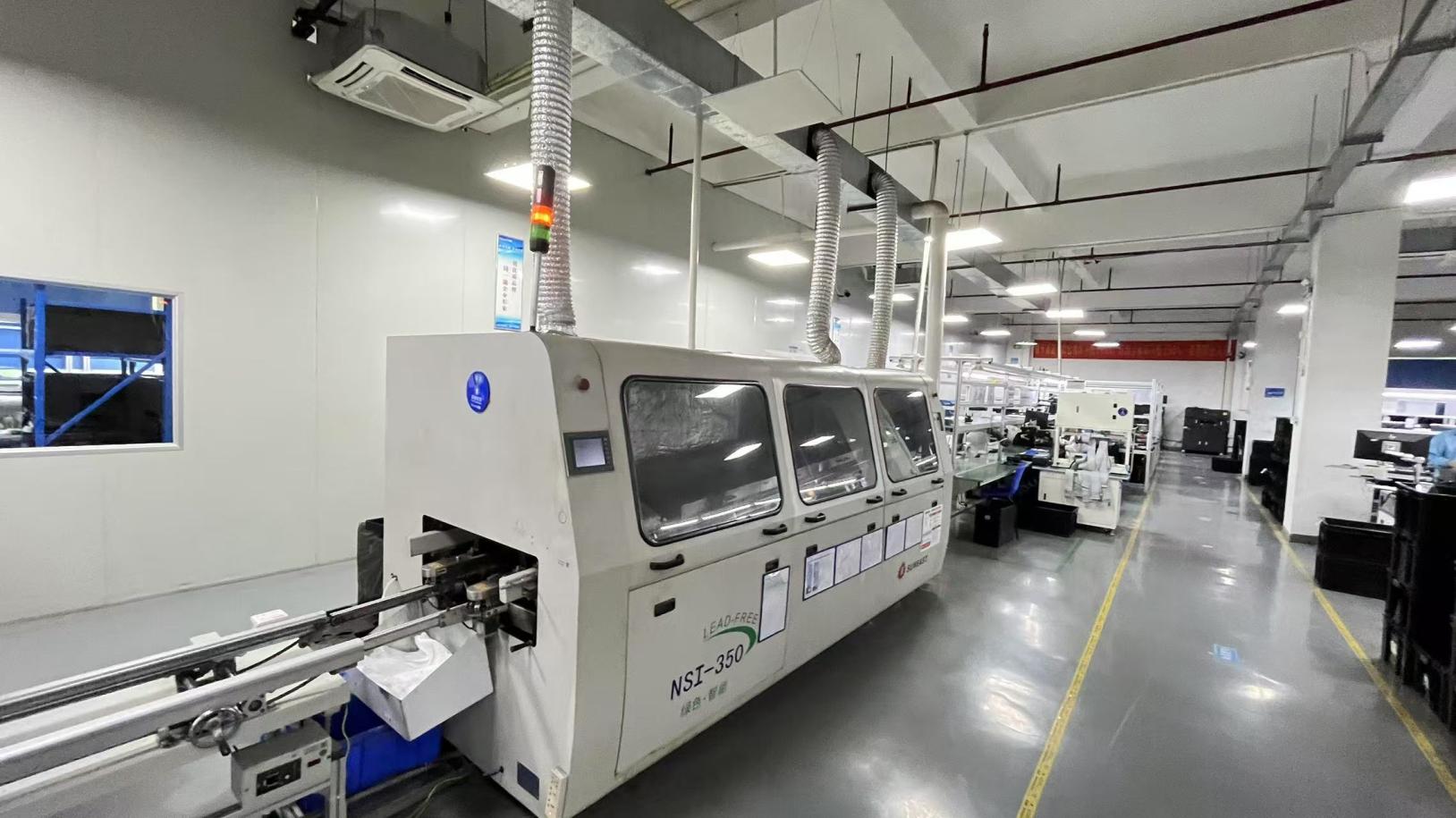
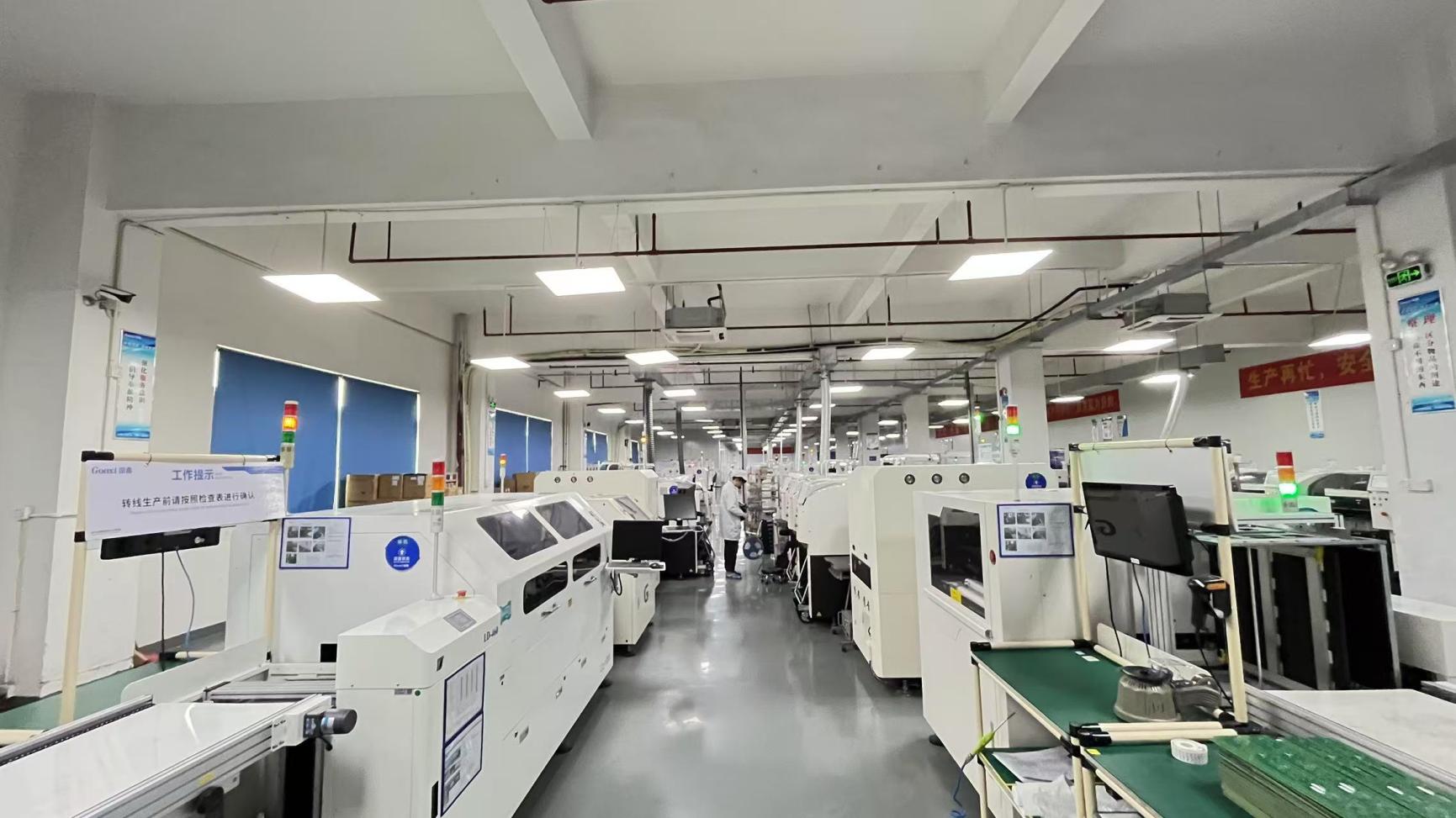
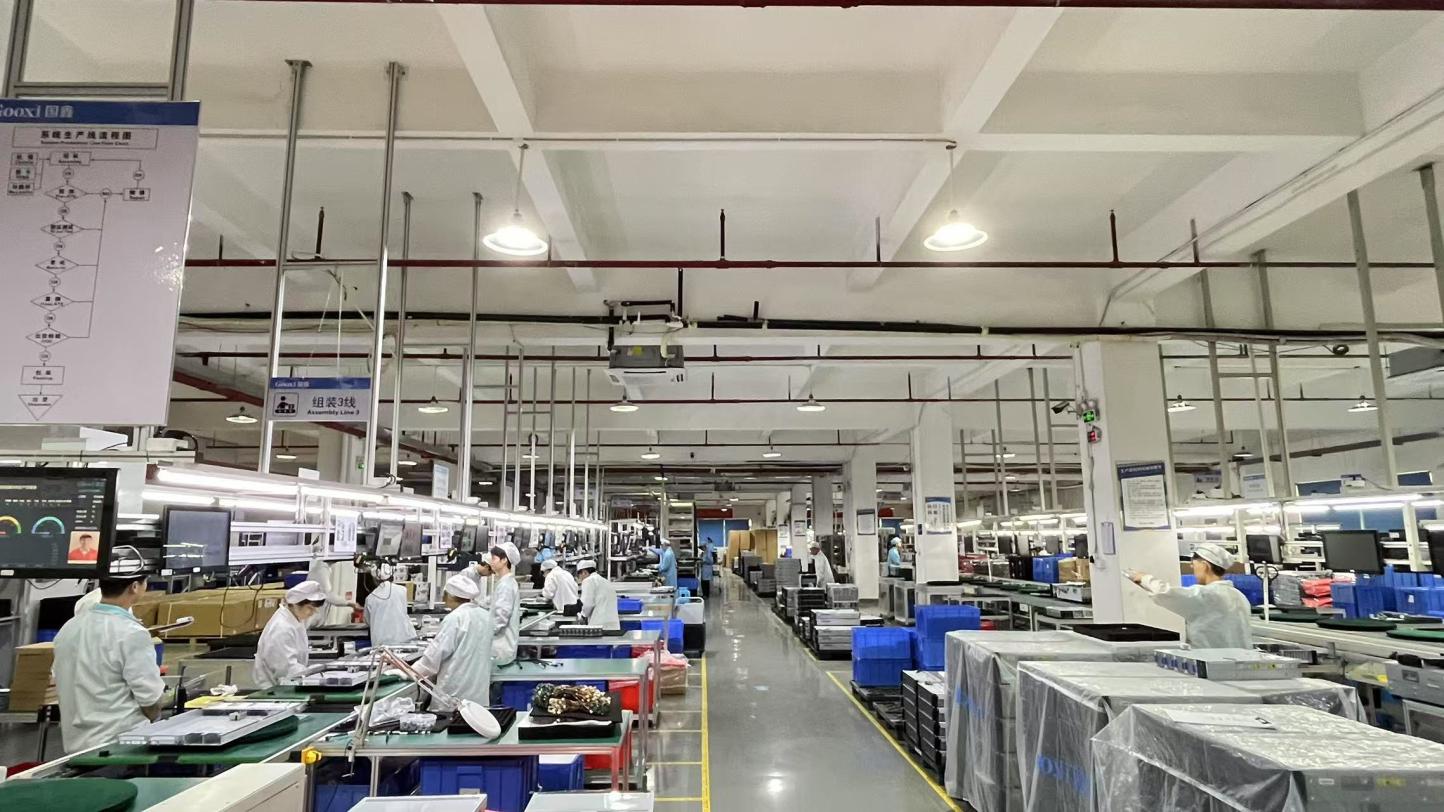
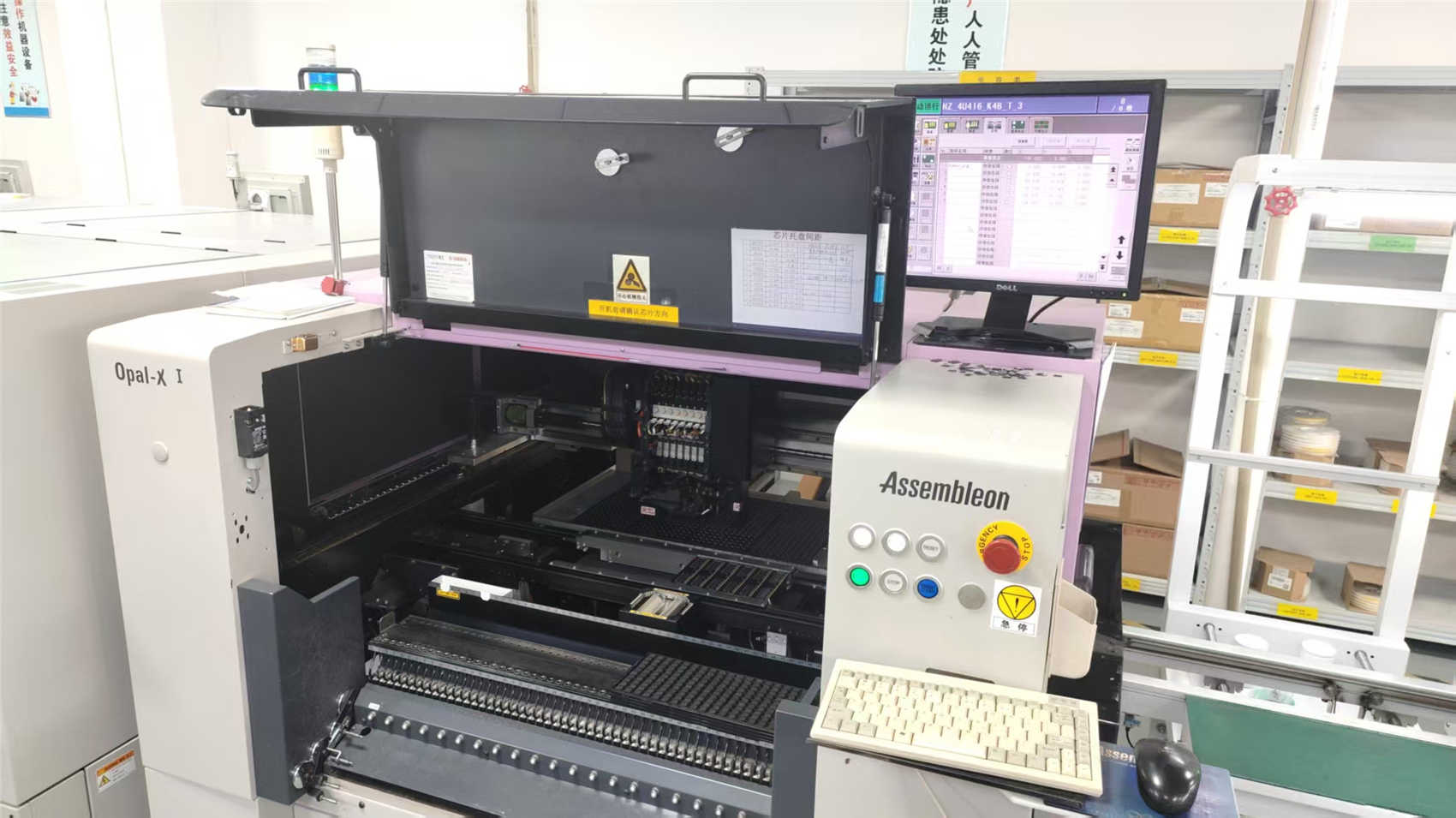
With a modern production facility covering 386 square meters, Zyqora specializes in the design, development, manufacturing, and testing of optical communication products, including SFP, SFP+, SFP28, QSFP28, QSFP-DD, OSFP, AOC, and DAC solutions. Our products are engineered to deliver reliable performance, scalability, and seamless compatibility with mainstream networking platforms.
Over the years, Zyqora has established a strong international presence, achieving annual export revenue exceeding USD 18 million. Backed by 8 years of export experience and 10 years of industry expertise, we serve customers across North America, Europe, Southeast Asia, the Middle East, and Latin America.
Quality is at the core of everything we do. Our manufacturing process is supported by comprehensive quality assurance procedures, including incoming material inspection, optical performance testing, aging tests, compatibility verification, and final product inspection. A dedicated team of 42 quality control professionals ensures that every product meets international standards and customer expectations.
As a company with both manufacturing and international trading capabilities, Zyqora has built a reliable supply network with more than 860 supply chain partners, enabling efficient sourcing, stable production, and flexible delivery schedules. Our primary customers include telecom operators, data center providers, system integrators, network equipment distributors, and enterprise IT solution providers worldwide. To support evolving market demands, we maintain a strong research and development team focused on innovation and product optimization.
Zyqora offers comprehensive OEM and ODM services, including customized labeling, firmware coding, packaging design, and product specification development. Last year alone, the company successfully launched 168 new products to meet the growing requirements of next-generation network infrastructures. Our R&D department consists of 65 experienced engineers specializing in optical communication technologies, high-speed transmission systems, and network interoperability solutions. Through continuous innovation and strict quality management, Zyqora remains committed to providing cost-effective, reliable, and future-ready optical networking products for customers around the world.
How physical connectors are adapting to next-generation smart factories, Wi-Fi 7 backhaul, and eco-friendly manufacturing.
As networks evolve past gigabit speeds, copper connectors are transforming to support higher performance and power demands. The rise of Multi-Gigabit Ethernet (2.5G/5G/10G) in office and enterprise settings is pushing traditional Category 5e systems to their limits. Today's hardware must handle the wider bandwidths required by Wi-Fi 7 access points, which need high-capacity backhaul lines. RJ45 components must support these higher frequencies while preventing signal degradation from electromagnetic interference.
Another major trend is the growth of Smart Buildings and Industrial IoT. These environments depend heavily on PoE to deliver both power and data to remote devices. With the latest IEEE 802.3bt (PoE++) standards delivering up to 90W of power, managing heat dissipation in high-density switches has become a critical challenge. Manufacturers are responding by using advanced copper alloys with lower resistance and redesigning venting pathways inside RJ45 port blocks to prevent heat damage.
Finally, sustainability is shaping the future of hardware manufacturing. Leading suppliers in China are adopting eco-friendly practices, including lead-free wave soldering, halogens-free plastics, and energy-efficient manufacturing lines. By combining strict environmental compliance with high-frequency performance, modern RJ45 switch ports are built to support both green standards and long-term network reliability.
Get answers to common technical, design, and customization questions about RJ45 connectors and modules.
Explore our selection of SFP transceivers, shielded multi-port cages, and high-frequency RJ45 jack assemblies.
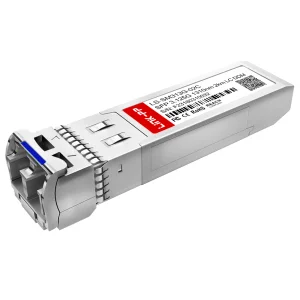
Single Mode 3G SFP 1310nm 2km SMF Duplex LC Optical Transceiver Module
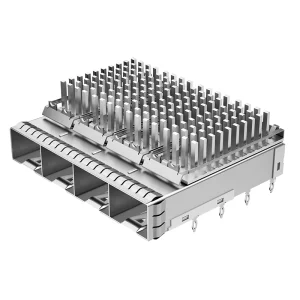
2170191-1 TE Compatible Through Hole EMI Shielded 1x4 Ports Press Fit SFP+ Cage With Heat Sink
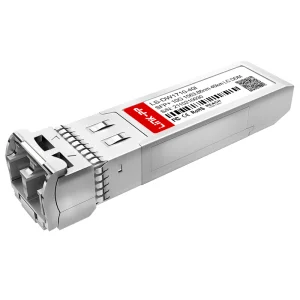
Single Mode SFP+ 10G DWDM CH17-CH61 100GHz 40km DDM LC SMF Optical Transceiver Module
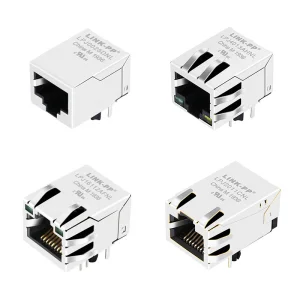
Custom Shield PCB Ethernet SMD SMT 12 Pin Metal 10 Pin Rj11 Rj45 Connector With Poe
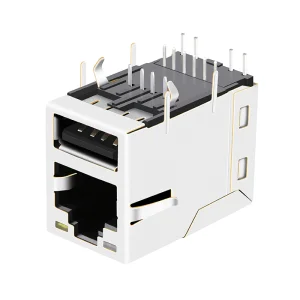
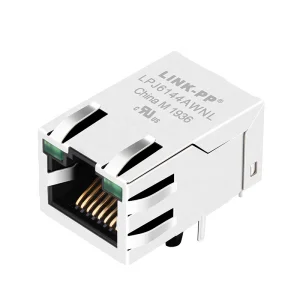
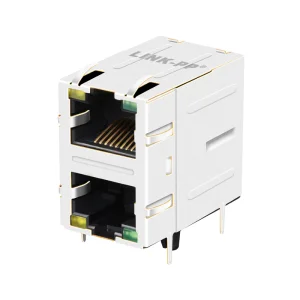
Y/G LEDs 1000 Base-T 2x1 Port RJ45 Stacked Connector RJ 45 Modular Jack LPJG17561BGNL
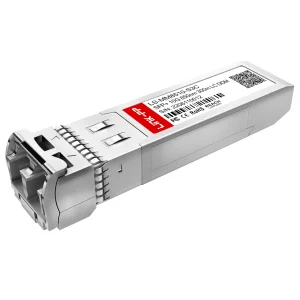
10GBASE-SR SFP+ Transceiver 850nm 300m Duplex LC MMF Fiber Optical Module