Zyqora
Zyqora
Zyqora
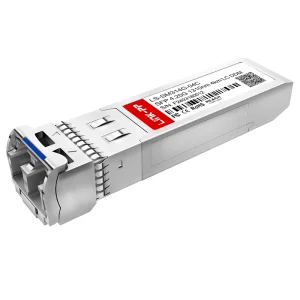
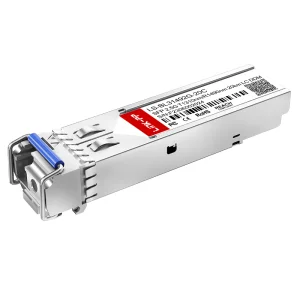
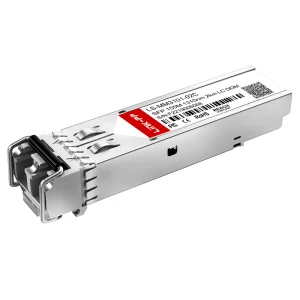
Explore our flagship selection of precision-engineered fiber transceivers, compatible SFP cages, and advanced RJ45 magnetic modules designed for telecom, enterprise networks, and cloud computing data centers.
Analyzing the core architectural requirements for next-generation telecommunication infrastructures, data centers, and industrial IoT communication links.
In the contemporary digital era, the exponential surge in data traffic driven by high-performance computing (HPC), artificial intelligence (AI) workloads, cloud deployments, and 5G networks has mandated a major paradigm shift in physical layer infrastructures. At the heart of these network pipelines are high-speed optical transceivers and robust physical connectors that interface electrical and optical planes. Connectors must maintain exceptionally low insertion loss (IL) and high return loss (RL) thresholds under extreme physical, electromagnetic, and environmental constraints.
As networks migrate from legacy 10G and 40G architectures to 100G, 400G, and eventually 800G/1.6T systems, the design margin for connectors and optical sub-assemblies (OSA) has narrowed significantly. Minor micro-alignments, thermal stability indices, and return loss variations can lead to catastrophic packet drops or bit error rate (BER) inflation. Chinese optoelectronic manufacturers have evolved from basic components assembly into engineering advanced structural optical sub-assemblies, providing crucial structural innovation to meet these specifications.
The physical layer performance is governed by strict parameters outlined in the Telcordia GR-326-CORE specification. Top-tier manufacturers utilize sub-micron concentricity zirconia ceramic ferrules to guarantee precise core-to-core alignment. This level of manufacturing mastery ensures insertion loss remains well below <0.2dB for Singlemode Fiber (SMF) configurations, sustaining long-reach networks (up to 40km) even in high-stress data center ecosystems.
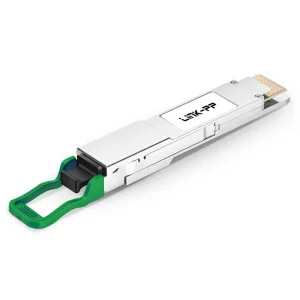
Furthermore, the integration of optical transceiver modules (such as SFP, SFP28, QSFP28, and QSFP-DD) with host hardware requires deep firmware coding expertise. EEPROM programming, digital diagnostics monitoring (DDM/DOM) parameters, and multi-vendor compatibility protocols (e.g., Cisco, Juniper, Aruba, Ubiquiti, Moxa) are crucial engineering capabilities that differentiate leading Chinese manufacturers from simple OEM shops.
Deploying robust fiber and copper connectivity configurations across critical industrial verticals and regional environments.
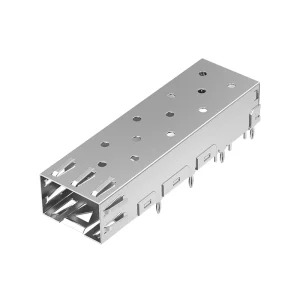
In modern hyper-scale data centers, spatial footprint and power consumption drive engineering choices. The implementation of high-density SFP28, QSFP28, and QSFP-DD 400G transceivers allows networks to manage massive east-west traffic. Combined with low-profile, EMI-shielded press-fit SFP cages, these transceivers prevent cross-talk and thermal throttling in dense server rack deployments.
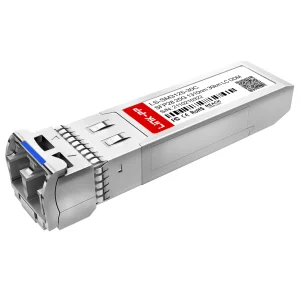
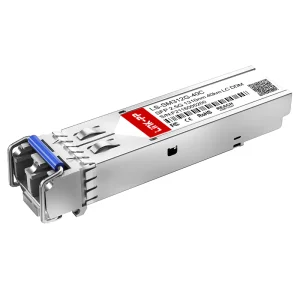
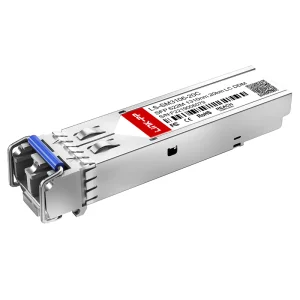
In regional fiber-to-the-home (FTTH) and metro networks, fiber optic connectors must withstand severe environmental shifts. Singlemode SFP transceivers equipped with dual LC interfaces ensure reliable backhaul transmission up to 40km. These components are essential for rural telecom expansion and metropolitan ring architectures, operating reliably across wide industrial temperature ranges (-40°C to +85°C).
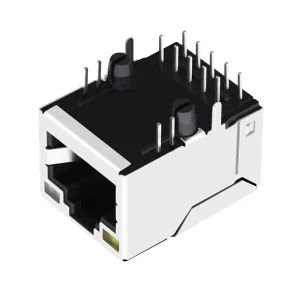
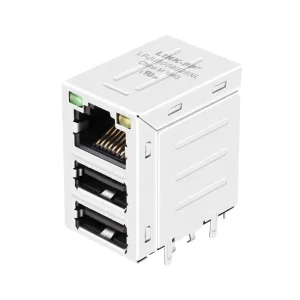
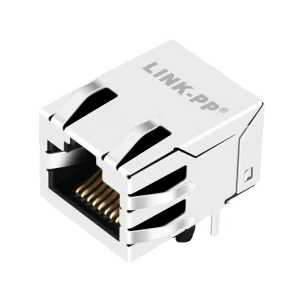
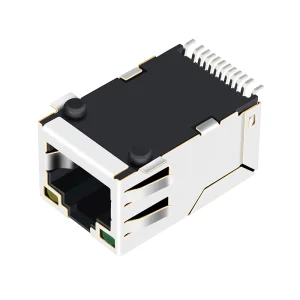
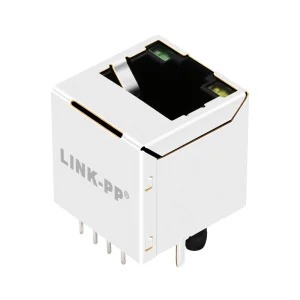
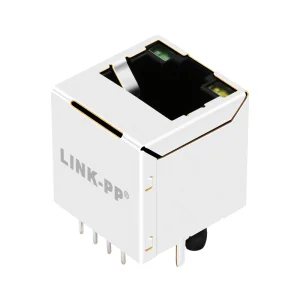
Heavy machinery, smart-grid stations, and automated assembly floors generate substantial electromagnetic interference (EMI). Incorporating vertical RJ45 jacks with integrated magnetics (such as the RT7-195AAM1F and HY951140A modules) provides critical galvanic isolation and noise suppression. These components protect physical communication lines from voltage surges and ground loops.
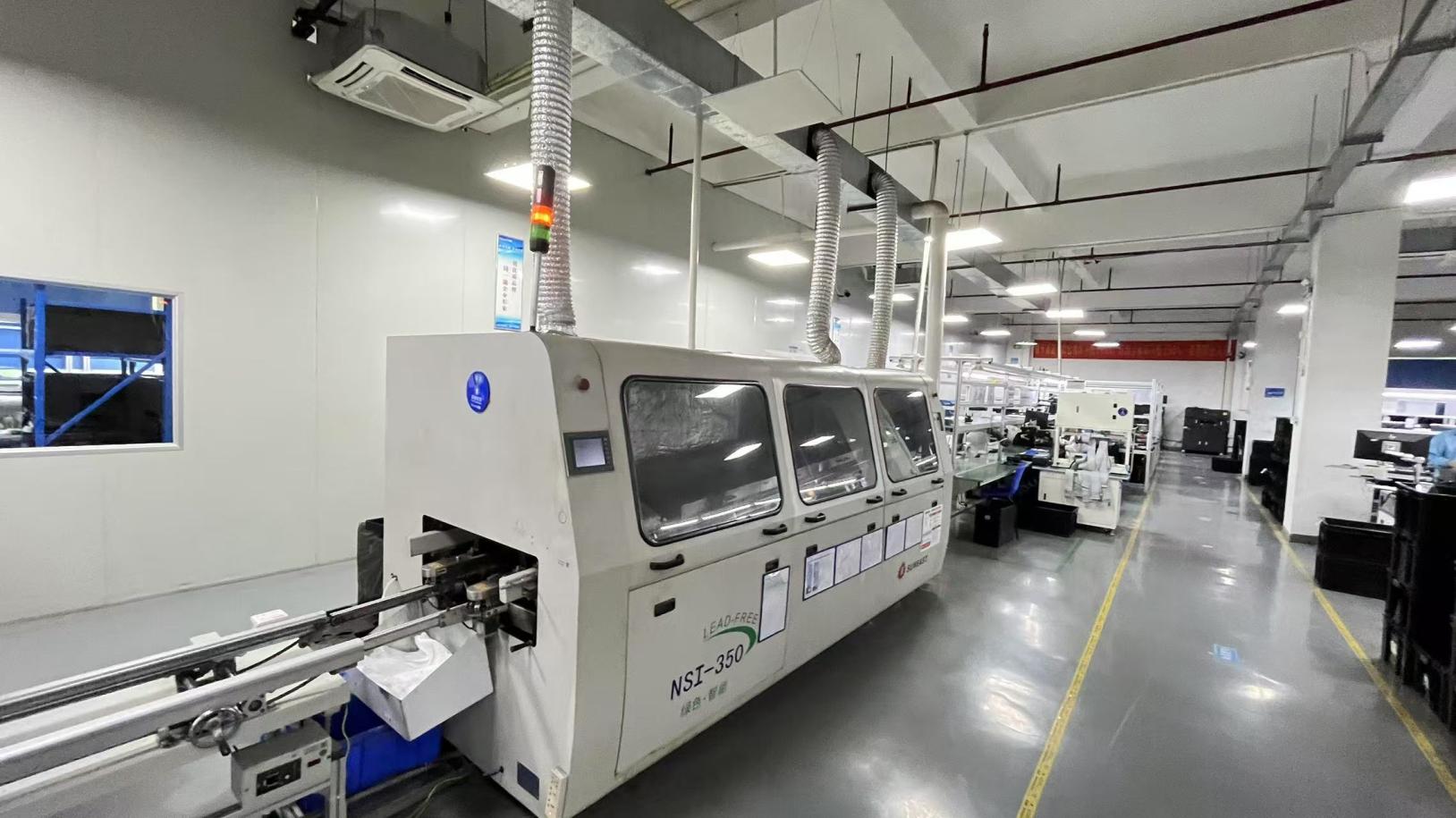
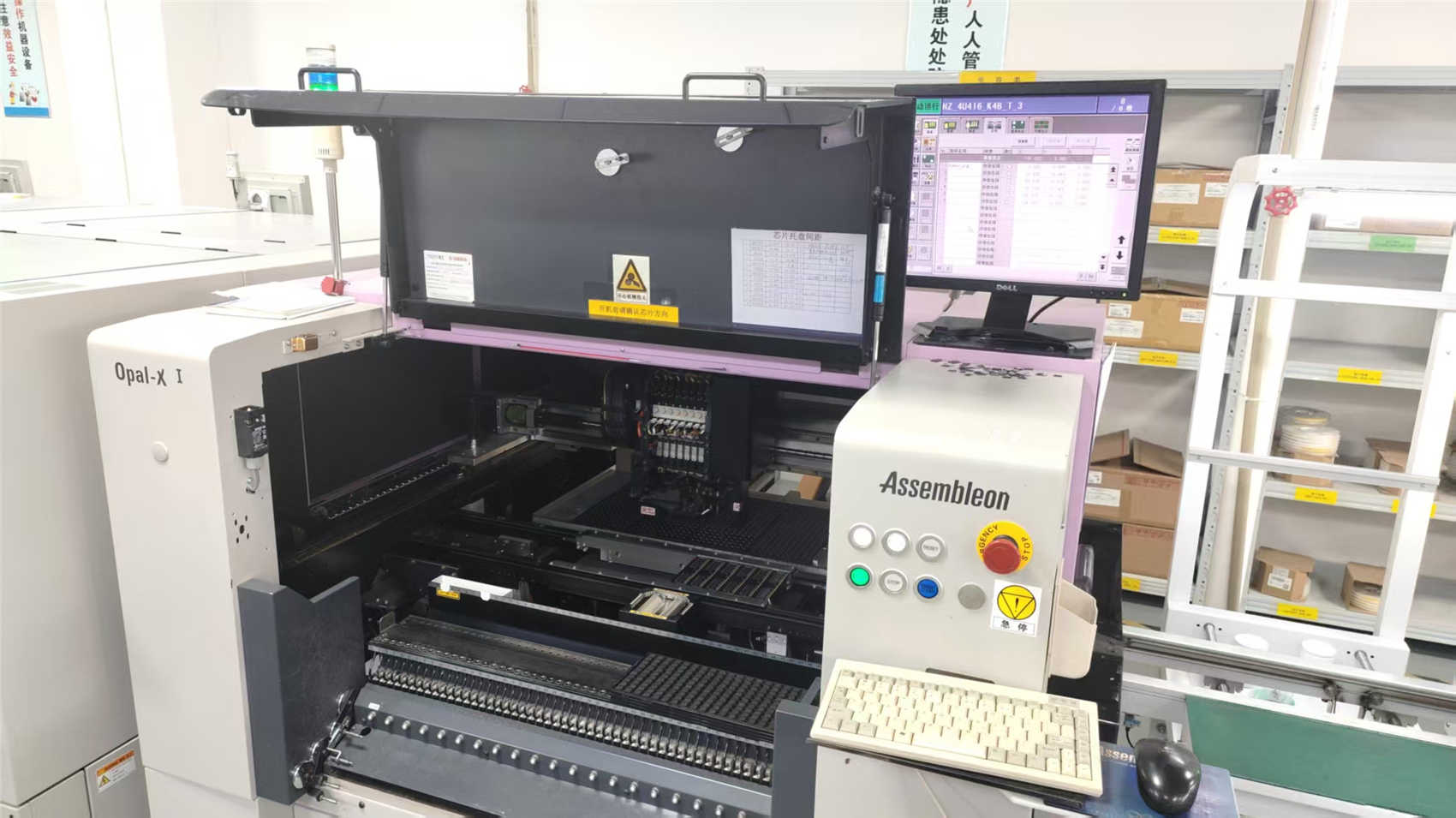
Founded in 2016, Zyqora Optical Technologies Co., Ltd. has established itself as an innovative manufacturer and exporter of high-performance optical transceivers and fiber connectivity configurations. Operating a modern, highly optimized 386-square-meter testing and production facility, Zyqora specializes in SFP, SFP+, SFP28, QSFP28, QSFP-DD, OSFP, AOC, and DAC assemblies designed for global data center, enterprise network, and telecommunication installations.
By coordinating a complex network of over 860 supply chain partners, Zyqora manages raw material sourcing constraints, securing high-precision ceramic ferrules, laser diodes, transimpedance amplifiers, and printed circuit board assemblies (PCBAs) with minimal lead times. This vast supply chain resilience protects our global clients from component shortages, ensuring stable production cycles and flexible delivery schedules even during periods of market volatility.
With an R&D team of 65 engineers specializing in high-speed optical transmission and hardware compatibility, and a quality control division of 42 QC professionals, Zyqora bridges the gap between cost-efficiency and premium engineering. Our testing infrastructure subjects every transceiver to rigorous compatibility checks on over 80 networking platforms, ensuring reliable out-of-the-box performance.
By leveraging China's dense optoelectronic industrial ecosystems (such as clusters in Shenzhen and Wuhan), Zyqora achieves vertical integration. This ensures that raw materials move from precision molding to assembly and compatibility testing within a single localized pipeline, offering unmatched cost-to-performance advantages to international buyers.
Last year alone, Zyqora engineered and deployed 168 new product variations to address the evolving parameters of next-generation network infrastructures, securing an annual export revenue of over USD 18 million across North America, Europe, Southeast Asia, the Middle East, and Latin America.


The optical connectivity sector is undergoing continuous engineering transitions. Below is the technical roadmap highlighting key developments in transceiver design and assembly.
Traditional Non-Return-to-Zero (NRZ) modulation reaches its physical limits at high frequencies. Migrating to 4-level Pulse Amplitude Modulation (PAM4) doubles the transmission rate per wavelength, facilitating the development of stable 200G and 400G transceivers over standard singlemode fibers.
As link speeds transition toward 800G and 1.6T, copper trace limits on motherboard routes introduce signal degradation. Silicon photonics integrates laser diodes onto silicon substrates, leading to Co-Packaged Optics (CPO) where the optical engine is mounted directly adjacent to the switch ASIC, reducing energy draw by 30%.
High-density interfaces such as MPO-16, SN, and MDC connectors are replacing traditional duplex LC terminations in the core. Aligning multiple optical fibers in a single ferrule requires sub-micron injection molding techniques, a major focus area for Zyqora's R&D engineering divisions.
How top manufacturers safeguard international deployments through compliance and custom firmware integration.
To integrate into global infrastructures, products must comply with environmental and safety directives. Zyqora's production lines conform to CE, FCC, RoHS, and REACH guidelines, ensuring toxic-free and electromagnetically compliant operation within data centers and industrial systems worldwide.
Networking brands enforce proprietary handshakes on their SFP slots. Our engineering lab provides customized firmware coding. By programming the EEPROM of SFP modules, we ensure 100% interoperability with platforms like Cisco, Juniper, Aruba, Ubiquiti, Moxa, and HPE, avoiding "Unrecognized Module" warnings.
By offering DDP (Delivered Duty Paid) shipping, flexible OEM/ODM labeling, custom packaging, and technical field support, we guarantee that high-volume orders reach system integrators and distributors on time, minimizing network downtime and maximizing project deployment efficiency.
Expert responses to critical engineering queries regarding optical connectors, transceivers, and copper modular jacks.
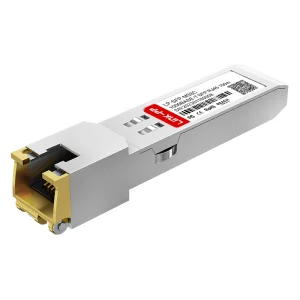
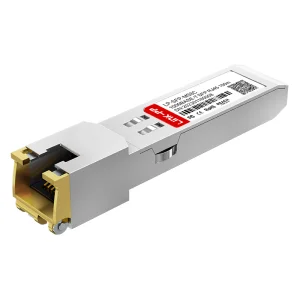
Our second tier of components includes long-reach SMF transceivers, shielded SFP cages, and gigabit modular jacks tailored for demanding networking applications.