Zyqora
Zyqora
Zyqora
Founded in 2016, Zyqora Optical Technologies Co., Ltd. has established itself as an authoritative manufacturer and supplier of high-performance optical transceivers and fiber connectivity products. Designed for rigorous environments within global data centers, telecommunications networks, corporate enterprise systems, and high-density cloud computing architectures, our solutions represent the cutting edge of industrial-grade engineering.
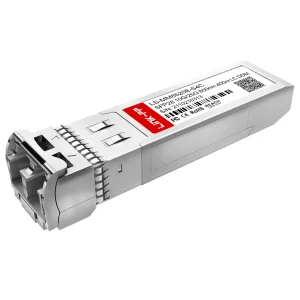
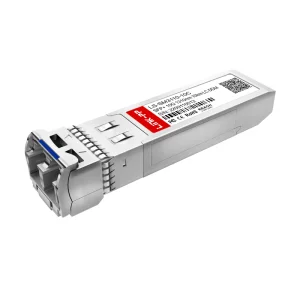
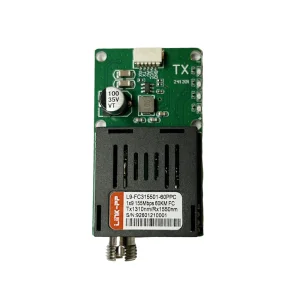
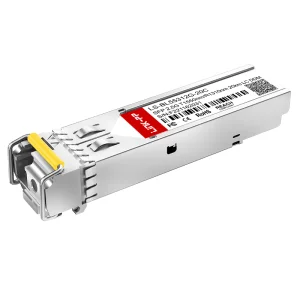
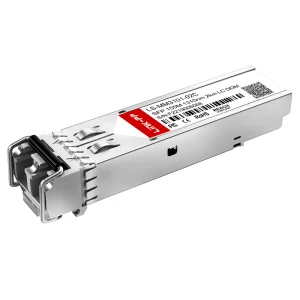
Our comprehensive production facility covers design and verification for SFP, SFP+, SFP28, QSFP28, QSFP-DD, and OSFP modules. Supporting transmission rates from 155Mbps legacy telecom links to ultra-high-speed 400G and 800G optical pipelines, these modules utilize cutting-edge NRZ and PAM4 modulation formats to optimize bandwidth throughput.
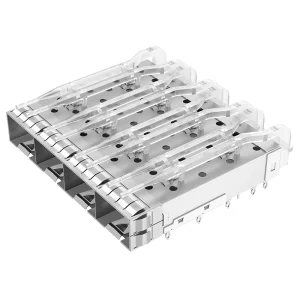
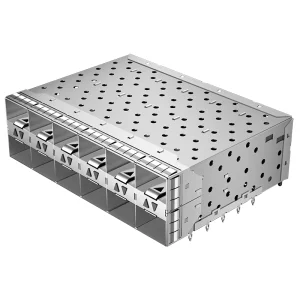
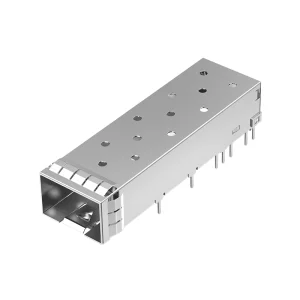
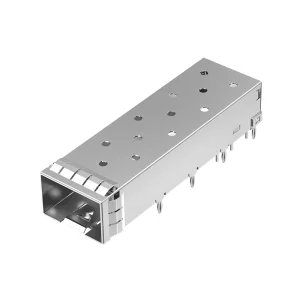
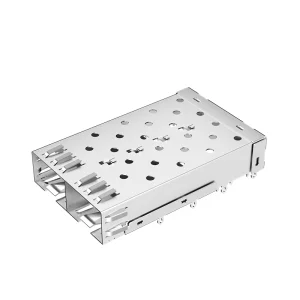
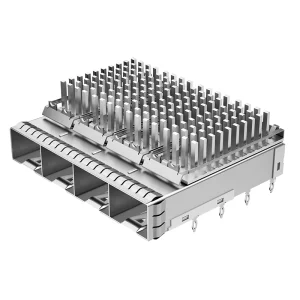
High-frequency communications require rigorous electromagnetic interference control. Our EMI shielded cages (ganged 1x4, stacked 2x6, single 1x1 configurations) incorporate advanced elastomeric gaskets and metallic spring fingers to minimize radiation leakage. Precision press-fit termination ensures reliable mechanical connection to PCBs.
Every Zyqora transceiver features Digital Optical Monitoring (DOM) and Digital Diagnostics Monitoring (DDM) according to SFF-8472. Network administrators gain real-time visibility into operating metrics: laser temperature, transmitter bias current, optical output power, receiver input power, and transceiver supply voltage.
Technical Insight: SFP transceivers form the core of hardware decoupling policies. By utilising MSA-compliant modules, data center operators can swap and configure individual links dynamically, eliminating proprietary OEM vendor lock-in. Our dual-rate transceivers (such as the 10G/25G SFP28) support seamless backward compatibility, easing path transitions as enterprise backbones scale.
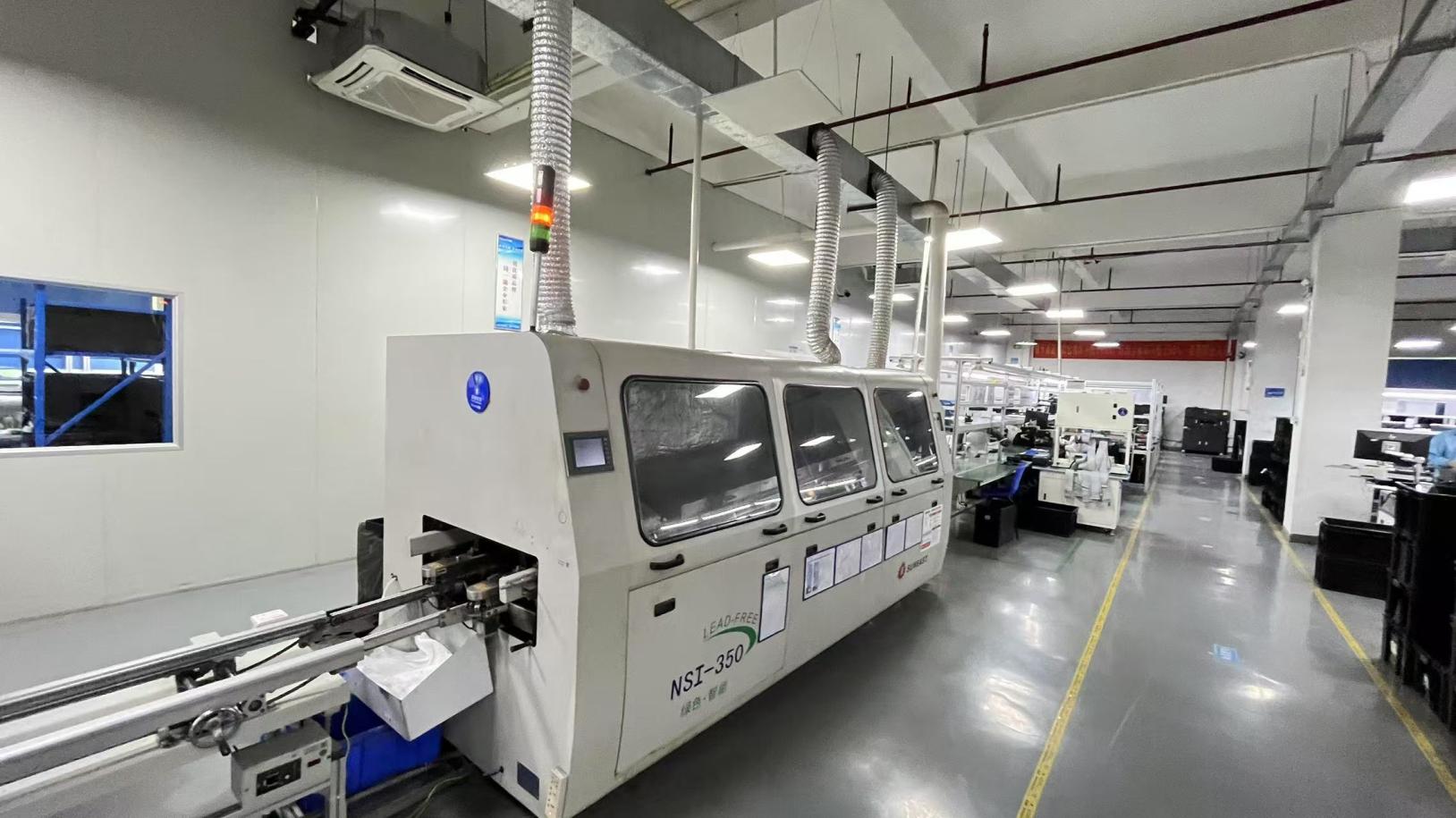
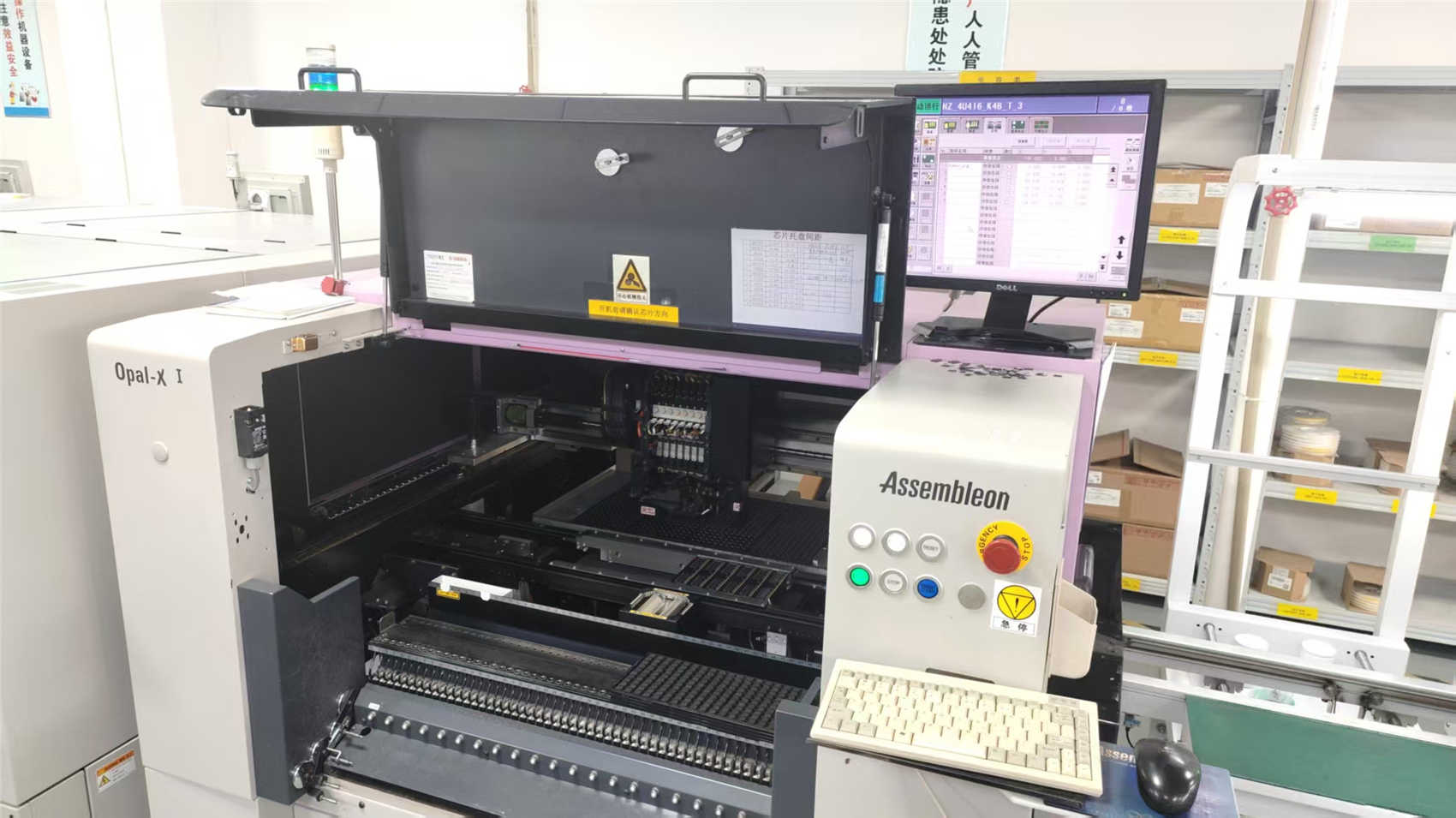
Operating a highly specialized optical manufacturing complex, Zyqora integrates automated laser coupling systems, optical spectrum analyzers, and multi-temperature aging testing matrices. The concentration of component manufacturing inside the Pearl River Delta industrial cluster allows us to maintain a network of over 860 qualified supply chain partners. This synergy keeps lead times minimal and stabilizes production volume even during global raw material shortages.
By utilizing local advanced packaging (such as TO-can, COB, and box-type packaging) and automated wire bonding, we drive unit costs down while maintaining strict quality consistency. We conduct 100% optical performance tests and strict compatibility testing in actual networking environments.
Our 42-member Quality Assurance team utilizes a multi-layer inspection architecture:
Leveraging our robust engineering R&D department of 65 engineers, we deliver tailored firmware coding and custom hardware designs. Last year alone, we introduced 168 new customized products to match changing specifications.
Detailed analysis of host networking switches, targeted reach, core optical fiber parameters (SMF/MMF), and power limits.
Writing and flashing manufacturer identity registers (SFF EEPROM mapping) for compatibility with Cisco, Juniper, Arista, and others.
Simulations of electromagnetic fields, thermal dissipation, mechanical stress, and compliance with CE, FCC, RoHS, and REACH.
Final quality checks, customized labeling, barcode serialization, and international logistics execution.
Enterprise networking gear often utilizes proprietary security checks to flag third-party optics. Zyqora circumvents vendor lock-in by writing exact OEM-emulated configurations into the module's EEPROM. Our transceivers interoperate seamlessly with equipment from major global switch manufacturers.
Compliance is critical. We guarantee CE and FCC emissions conformance, Class 1 Laser Safety certifications (conforming to FDA 21 CFR and IEC 60825-1), and environmental directives including RoHS and REACH. This ensures hazard-free importation and operations in all major global markets.
From customs handling to localized tech support, we provide system integrators with deep technical guidance. We supply custom packaging, automated serialization tracking codes, and on-demand technical resources to resolve challenging local network configuration tasks.
The optics landscape is rapidly evolving to support the immense traffic demands of Artificial Intelligence (AI) training clusters, cloud storage, and high-frequency trading. Traditional copper cables (DACs) face severe reach limitations above 10Gbps. Active Optical Cables (AOCs) and optical transceivers provide the necessary performance leap, utilizing advanced VCSEL (Vertical-Cavity Surface-Emitting Laser), DFB (Distributed Feedback), and EML (Electro-absorption Modulated Laser) platforms to push signals over kilometers with minimal latency.
Integrating laser sources onto silicon substrates represents the next leap in performance. By manufacturing optics on standard semiconductor lithography lines, Silicon Photonics delivers lower power profiles, reduced thermals, and tighter component integration. Zyqora is monitoring and integrating SiPh research pipelines to support the next generation of transceiver form factors.
While Co-Packaged Optics (CPO) places the optical engine adjacent to the switch ASIC on the board level, pluggable modules (such as SFP28 and QSFP-DD) remain the dominant architecture for field maintenance and flexibility. Pluggables allow operators to scale their infrastructure incrementally, replacing failed ports in minutes without replacing entire motherboards.
Connecting top-of-rack (ToR) and leaf-spine switches using high-speed SFP28 and QSFP28 modules for hyper-scale storage and computing access.
Deployment in DWDM and BiDi networks to optimize metro transmission line capacities over single optical fibers up to 60-80 kilometers.
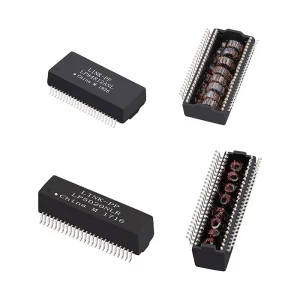
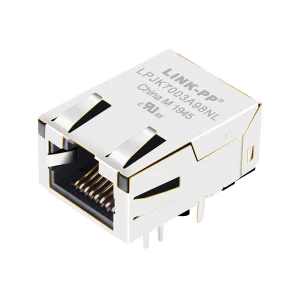
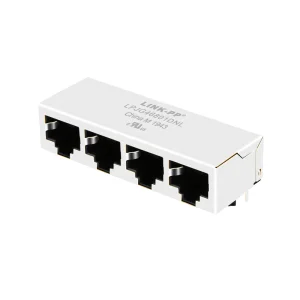
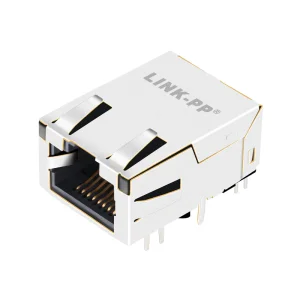
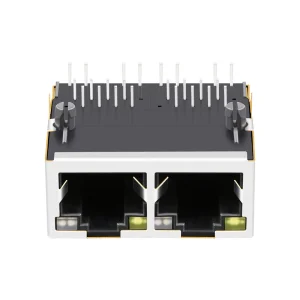
Ensuring high-speed gigabit copper to fiber transits using structured RJ45 magnetic connectors and low-profile patch panels.
Integrating wide-temperature range modules (-40°C to +85°C) to withstand the harsh electromagnetic environments found in smart manufacturing.
Every manufacturing batch conforms to stringent safety standards. View our advanced cleanroom production floor, precision optical alignment stages, testing laboratories, and inventory hubs.