Zyqora
Choosing the right optical transceiver supplier is crucial for any networking and communication project. With many options available, finding a reliable partner can be challenging. Factors such as product quality, support services, and industry reputation should not be overlooked.
In today’s fast-paced technology landscape, investing in the best optical transceivers can enhance your network's performance. A good supplier offers not only products but also expertise. Their knowledge can guide you in selecting the right solutions for your needs. However, not all suppliers are created equal. Some may overpromise and underdeliver, leading to costly operational issues.
When evaluating potential suppliers, consider their experience in the industry. A supplier's track record speaks volumes about their reliability. Seeking recommendations and reading reviews can provide valuable insights. Always ask the difficult questions to gauge their depth of expertise and commitment to quality. The right optical transceiver supplier can be a game-changer for your business.
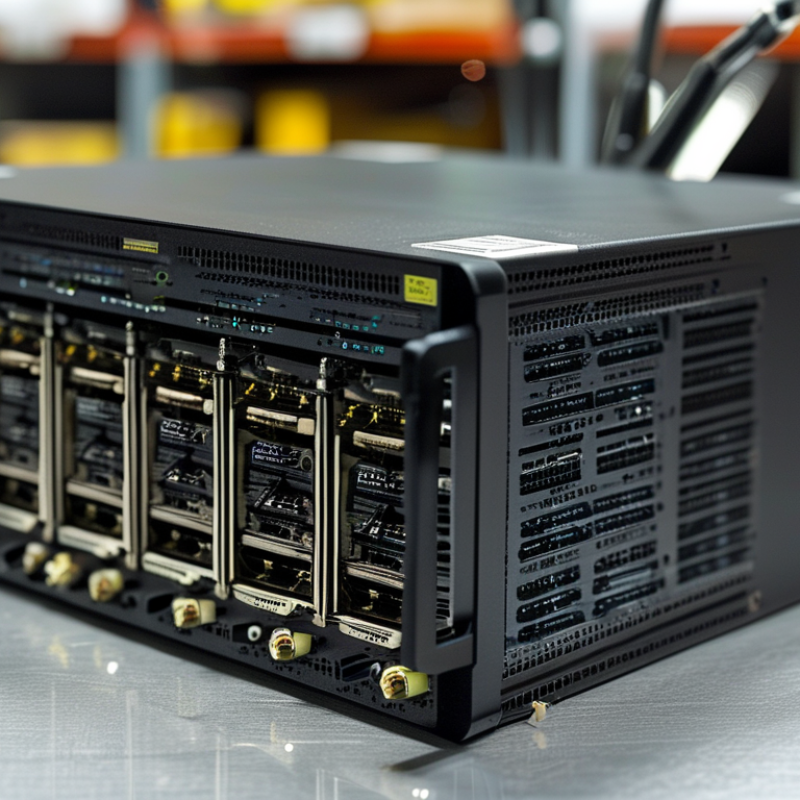
Optical transceivers play a crucial role in networking today. These components facilitate the transmission of data over optical fibers, ensuring high-speed connectivity. They're essential for data centers, telecommunication systems, and enterprise networks. A reliable optical transceiver can enhance bandwidth and reduce latency. Customers often overlook the impact of the transceiver's quality on overall network performance.
Selecting the right optical transceiver supplier requires careful consideration. One must assess the supplier's expertise in the field. Look for suppliers that provide comprehensive technical support. Additionally, check their track record. Researching user reviews can offer insight into reliability. Some suppliers may promise exceptional standards but lack consistent delivery.
Cost can also influence decisions, but it shouldn't be the only factor. A cheaper option may lead to increased downtime. Reflecting on previous experiences with various suppliers can shape future choices. Ultimately, making informed decisions can significantly improve your network's efficiency and reliability. Investing time in research will pay off in the long run.
When evaluating optical transceiver suppliers, it's crucial to focus on reliability. Check their history in the industry. A supplier with years of experience often understands the nuances of manufacturing and supply chains better. Look for certifications that indicate adherence to quality standards. These documents can show a commitment to exceptional quality and performance.
Another important aspect is technical support. Suppliers who offer robust support can save you time and resources. Examine their service offerings. Quick response times and knowledgeable staff are key indicators of a reliable partner. Communication is vital; you need clarity in technical specifications and warranty terms.
In addition, pricing should be addressed, though it should not be a sole deciding factor. A lower cost may seem appealing, but it could suggest compromised quality. Balance your requirements with your budget. This approach may involve some trial and error in supplier selection. Gather feedback from peers and consider what worked, or didn’t work, in previous supplier experiences.
| Criteria | Importance Level | Description |
|---|---|---|
| Product Quality | High | Ensure transceivers meet industry standards and reliability. |
| Pricing | Medium | Evaluate cost-effectiveness without compromising quality. |
| Technical Support | High | Assess the availability of customer support for troubleshooting. |
| Delivery Time | Medium | Check supplier's lead times for on-time delivery. |
| Reputation | High | Research supplier's history and customer reviews. |
| Certification | Medium | Ensure products are certified for compliance with standards. |
| Customization Options | Low | Check if the supplier offers tailored solutions for specific needs. |
When selecting an optical transceiver supplier, understanding the reliability and quality of the products is crucial. A recent report by the Optical Internetworking Forum indicates that over 75% of network failures originate from subpar transceiver performance. This data highlights the importance of thoroughly assessing a supplier’s track record in producing robust and consistent transceivers.
Evaluating the quality of optical transceivers often involves examining performance metrics. Look for suppliers that provide detailed specifications like insertion loss and return loss. A trusted supplier should offer transceivers with a bit error rate (BER) consistently below 10-12, as recommended by industry standards. Additionally, cross-referencing customer reviews and industry certifications can reveal critical insights into a supplier's reputation.
Supplier reliability should not only focus on product quality but also support services. Industry studies show that 65% of organizations report delays in project timelines due to inadequate supplier support. Transparency in warranty policies can signal a commitment to quality. Suppliers that actively engage in post-sale support build stronger relationships, ensuring that clients receive the necessary assistance when issues arise.
When budgeting for optical transceiver purchases, understanding the cost structure is crucial. Industry data indicates that optical transceivers account for nearly 20% of network infrastructure costs. This is significant in capital planning for enterprises aiming to upgrade their networking capabilities. The average cost of a single transceiver can range from $50 to over $1000. Variability in pricing often reflects differences in specifications, such as data rates and distances supported.
Evaluating total cost of ownership is essential. For instance, while a cheaper transceiver may have lower upfront costs, it might lack efficiency, leading to higher maintenance and energy costs. A study revealed that energy consumption during operation can add 30% to overall costs in a five-year period. It's important to consider long-term value over initial expense. Seeking suppliers who offer comprehensive warranty terms can enhance reliability in investment.
Negotiating or seeking volume pricing can also lead to savings. Reports suggest that tech companies addressing procurement in bulk can achieve discounts of 15% to 30%. However, balancing cost with the quality of performance remains a challenge. It's easy to overlook the potential hazards of opting solely for lower-priced components. Doing so could result in reliability issues that undermine the entire network's stability, prompting reflection on purchasing decisions.
Choosing the right optical transceiver supplier goes beyond just price and specifications. The role of customer support is crucial. When issues arise, prompt and knowledgeable support can be a game changer. Suppliers with dedicated support teams can quickly address concerns, minimizing downtimes.
Consider a scenario where a critical component fails. A supplier who provides 24/7 support can resolve problems faster than one with limited availability. Reliable communication and responsiveness instill confidence in customers. They can trust that their supplier will be there when needed most.
Moreover, the quality of customer service reflects a supplier’s overall reliability. Suppliers who take the time to understand specific customer needs demonstrate commitment. It’s essential to evaluate their willingness to offer tailored solutions. If a supplier dismisses concerns or fails to follow up, it might indicate the level of future support you can expect. Always remember that an excellent product can only perform well with solid backing.
: Optical transceivers facilitate data transmission over fibers, ensuring high-speed connectivity for various networks.
Assess the supplier's expertise, check their track record, and look for reliable customer reviews.
Poor-quality transceivers can cause network failures, with over 75% of issues linked to their performance.
Examine specifications like insertion loss, return loss, and ensure a bit error rate below 10^-12.
Evaluate their support services, warranty transparency, and post-sale engagement with customers.
Understand the cost structure and long-term value, not just the initial purchase price.
They may save money upfront but could lead to higher maintenance and energy costs over time.
Yes, negotiating for volume pricing can provide discounts ranging from 15% to 30%.
Focusing solely on lower price can compromise network reliability and performance.
Investing time in research can enhance network efficiency and lead to better long-term choices.
When choosing the right optical transceiver supplier, understanding the significance of optical transceivers in networking is crucial. These components play a vital role in ensuring efficient data transmission, making it essential to evaluate potential suppliers carefully. Key factors to consider include the quality and reliability of the transceivers offered, as well as the pricing that fits within your budget.
Additionally, customer support and service capabilities can greatly influence your supplier selection. A reliable supplier should provide ongoing support and assistance, ensuring that you can maintain optimal network performance. By thoughtfully assessing these aspects, you can make an informed decision when selecting an optical transceiver supplier that meets your specific networking needs.