Zyqora Zyqora

2026 How to Choose the Best Optical Transceiver for Your Needs?

Time:2026-06-23 Author:Liam
0%

Choosing the right optical transceiver can significantly impact network performance. It is crucial to understand your specific needs before making a decision. Optical transceivers are critical components in fiber optic networks that convert electrical signals into optical signals, and vice versa.

When selecting an optical transceiver, think about compatibility and speed. Different transceivers support various data rates. High-speed options may seem appealing, but they might not always be necessary. Balancing performance and cost is vital. Additionally, the environment where the transceiver will be used matters. Factors like temperature and distance can affect performance.

Some might overlook the importance of brand reliability. A quality optical transceiver from a reputable manufacturer can ensure better efficiency. Choices abound, but the market can be confusing. Assessing your unique requirements and networking environment is key to making an informed decision. This will help you find an optical transceiver that best aligns with your objectives.
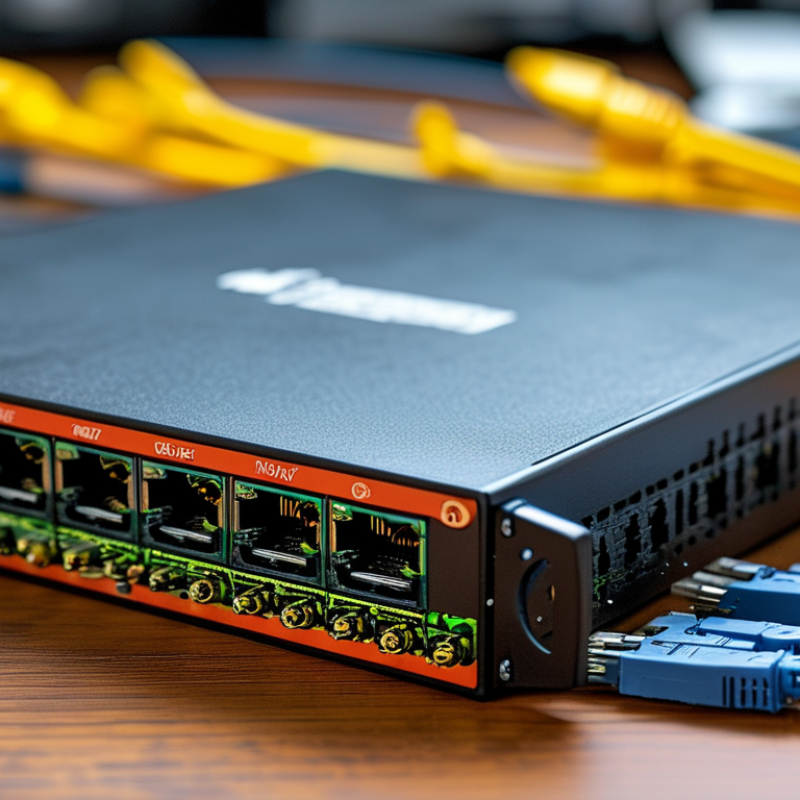
2026 How to Choose the Best Optical Transceiver for Your Needs?

Understanding Optical Transceivers: Basics and Functionality

Optical transceivers serve as crucial components in modern communication networks, transforming electrical signals to optical signals and vice versa. Their primary function includes enabling high-speed data transmission over fiber optic cables. According to industry reports, the global optical transceiver market is projected to reach $10 billion by 2026, driven by increasing internet demand.

Understanding the basics of optical transceivers can aid network designers in selecting the right solution. There are different types, such as SFP, SFP+, and QSFP, each with varying speeds and distances. For example, SFP modules can support applications ranging from 1G to 10G, making them suitable for diverse uses. It’s essential to consider factors like transmission distance and data rate to optimize performance. Yet, many users overlook compatibility issues, leading to potential network inefficiencies.

While optical transceivers provide numerous benefits, their selection process may present challenges. Some professionals may underestimate the impact of temperature and environmental factors on performance. These elements can affect signal integrity and overall system reliability. Continuous advancements in technology complicate the landscape further. Ultimately, thorough research and an understanding of specific requirements will lead to better choices in optical transceivers.

Key Factors to Consider When Choosing an Optical Transceiver

When selecting an optical transceiver, several key factors play a crucial role in ensuring it meets your specific needs. The first aspect to consider is the transmission distance. Different transceivers support varying ranges, from short distances within data centers to long-haul applications. Assessing the distance requirement early on can eliminate options that won’t work for your setup.

Another important factor is the data rate, which affects the speed of data transmission. Higher data rates can improve performance but may require compatible equipment. It’s essential to match the transceiver’s capabilities with your existing network infrastructure. Additionally, you should evaluate the connector types. They differ in shape and compatibility. Ensuring the connectors align with your existing cables will avoid unnecessary complications during installation.

Reflecting on the budget is crucial as well. While costs can vary significantly, investing in a high-quality transceiver can lead to better long-term performance. However, opting for the cheapest option can result in reliability issues, impacting overall network performance. Weighing cost against function can be tricky. Consider reviewing industry standards and specifications, as they enhance your understanding and reinforce a more informed decision-making process.

Types of Optical Transceivers: An Overview of Options Available

When selecting an optical transceiver, understanding the types available is crucial. Optical transceivers come in various forms, each serving different needs. The most common types include SFP, SFP+, QSFP, and BIDI. SFP modules are flexible for short distances while QSFP modules support higher data rates and longer ranges. BIDI transceivers use a single fiber strand, making them space-efficient.

Consider the distance required when choosing a transceiver. Some modules are better for shorter connections, while others excel in long-distance applications. Power consumption is another aspect to keep in mind. Less power often means less heat, which can improve overall system reliability.

Tips: Focus on compatibility with your existing network. Inspect the specifications carefully to ensure everything aligns. Seek guidance from trusted sources if the options seem overwhelming. Don't rush your decision; assess your future needs, as they may evolve. Careful consideration now can save time and money down the road. Remember, the right optical transceiver can enhance your system’s performance significantly.

Evaluating Performance Specifications for Your Application Needs

When selecting an optical transceiver, it's crucial to evaluate performance specifications aligned with your application needs. The choice of data rates, reach, and wavelength can significantly affect network performance. According to industry reports, transceivers operating at 100 Gbps are increasingly popular, especially in data centers. The right choice ensures optimal speed and minimal latency.

Consider these tips: Ensure the transceiver supports the required distance. For short-range applications, a multimode fiber may suffice. For long-distance links, single-mode transceivers are more suitable. Did you know that the maximum distance for a 100 Gbps transceiver over multimode fiber is typically around 100 meters?

Thermal performance is another factor to examine. Transceivers with better thermal management often have longer lifespans. Reports indicate that unreliable cooling can lead to failures in active optical components. Choosing equipment with adequate heat dissipation is critical for prolonged reliability. Be mindful that even minor temperature fluctuations can impact performance.

Compatibility and Standards: Ensuring Optimal Integration

In selecting the best optical transceiver, compatibility and adherence to standards play a pivotal role. Transceivers must align with industry standards like SFF, SFP, and QSFP for effective integration. According to a recent report by the Optical Internetworking Forum, over 70% of network failures are linked to compatibility issues. This stark statistic highlights the necessity of understanding the parameters of your existing network infrastructure.

When evaluating transceivers, consider wavelength and interface specifications. A mismatch can cause performance degradation. For instance, using a transceiver designed for duplex signaling in a half-duplex setting can lead to significant data loss. Furthermore, some optical modules claim compatibility with various technologies but fail under varying temperatures and loads. This implies that even a seemingly compatible product can falter in real-world applications.

Industry data also suggests that organizations often overlook the importance of firmware updates for transceivers. Without the latest firmware, even the most compatible transceiver can experience interoperability issues. Regularly reviewing compatibility matrices and manufacturer guidelines is essential. This ensures optimal performance and reliability. Recognizing these factors leads to a more seamless integration and a robust optical network.

2026 Optical Transceiver Compatibility and Standards

This chart illustrates the compatibility of various optical transceivers with different standards based on their target application. It helps in selecting the right transceiver that meets specific requirements for optimal integration.

FAQS

: What should I consider when choosing an optical transceiver?

: Consider transmission distance, data rate, connector types, and budget.

How does transmission distance affect my choice?

Different transceivers support varying distances. Assess your distance needs to avoid unsuitable options.

Why is data rate important?

Higher data rates improve performance but need compatible equipment. Match transceiver capabilities with your network.

How do connector types influence installation?

Connectors vary in shape and compatibility. Ensure alignment with existing cables to avoid installation issues.

What role does budget play in selecting a transceiver?

Costs vary, but investing in quality can lead to better performance. Cheaper options may cause reliability problems.

How can compatibility affect network performance?

Over 70% of network failures stem from compatibility issues. Ensure your transceiver meets industry standards.

Why are firmware updates necessary for transceivers?

Without updated firmware, compatibility problems can arise. Regularly check for updates to ensure optimal performance.

What specifications should I check for compatibility?

Review wavelength and interface specs. Mismatches can lead to degraded performance and data loss.

Can seemingly compatible transceivers work poorly?

Yes, real-world application issues can arise, even with compatible claims. Test in varying conditions.

What is the importance of understanding industry standards?

Industry standards guide proper integration. They help avoid issues and lead to a more robust network setup.

Conclusion

When selecting the best optical transceiver for your needs, understanding the basic functionality is paramount. Optical transceivers are essential components in optical networks, converting electrical signals into optical signals and vice versa. Before making a choice, consider key factors such as transmission distance, data rate, and the type of connections required.

Moreover, it's important to be aware of the various types of optical transceivers available, as each offers distinct advantages suited to different applications. Evaluating performance specifications tailored to your specific requirements—such as wavelength, power consumption, and compatibility—is crucial for optimal integration. Lastly, ensuring that your selected optical transceiver aligns with industry standards will facilitate effective deployment in your existing network infrastructure.

Liam

Liam

Liam is a dedicated marketing professional with a profound expertise in the industry, where he excels at highlighting the unique advantages of our core products. With a keen understanding of market trends and consumer needs, Liam frequently updates our company’s professional blog, providing......